My memory of Conrad, who died in April this year, is recorded earlier here.
There was no public funeral but a friend, Danny Bee had arranged a gathering for a ‘Radical walk’ Sunday, 6th September.
I missed the walk. Damn it. It wasn’t because arriving early, I spontaneously explored Stratford and the V&A Store room, (see below). I left that in good time. It was because I got on the wrong train – I’m no longer familiar with the town I once lived in for 15 years.
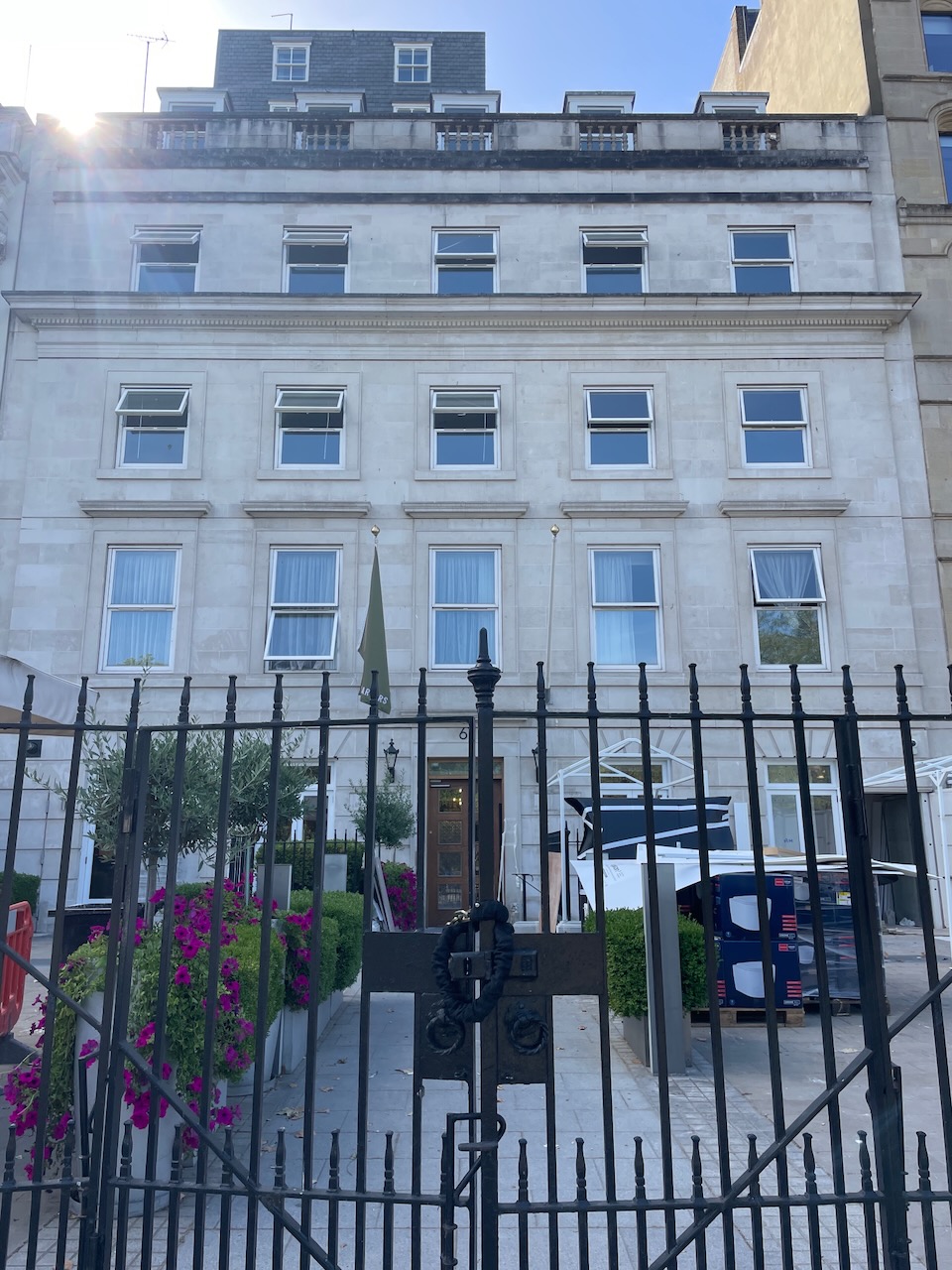
As the rende vous point was Holborn, with an unexpected hour and a bit free, I naturally gravitated towards the buildings I once occupied during this time of knowing Conrad, the 1990’s. I started working for Imperial Cancer Research after my mother died (and the Berlin wall fell) in 1989. Perhaps I began in 1991. Under the protective umbrella of Malcolm Clark, I started as document and information officer, and then filled his shoes as User Support Manger. Before he left, Malcolm introduced me to the British Computer Society and specifically the branch Electronic Publishing Specialist Group, of which David Penfold was the chair at the time. Malcolm was into TeX (Donald Knuth designed it in 1978 to make high-quality math printing easy and uniform across all computers) and introduced me to SGML, you could say a precursor to HTML – this was all a new world to me. Conrad was part of BCS EPSG. Together we once gave a lecture on the ‘buzz of the time’ the Internet. (Ron Catterall, our head of IT unit had installed a fully TCP/IP compliant internet across the ICRF, revolutionary in a sea of JANET (Joint Academic network – the protocol commonly used by all academic institutions at the time).
The ICRF (Imperial Cancer Research Fund) labs were based at Lincoln’s Inn Fields. The operations side, which included IT where I worked – was based across the park at no 61. I remember the PR department was on the top floor which was full of smoke as the head of PR smoked. John Fox, the AI department was on our floor, the mainframes – the main one a VAX, the DAP (Distributed Array Processor), Unix machines and routers and cables all in the basement.
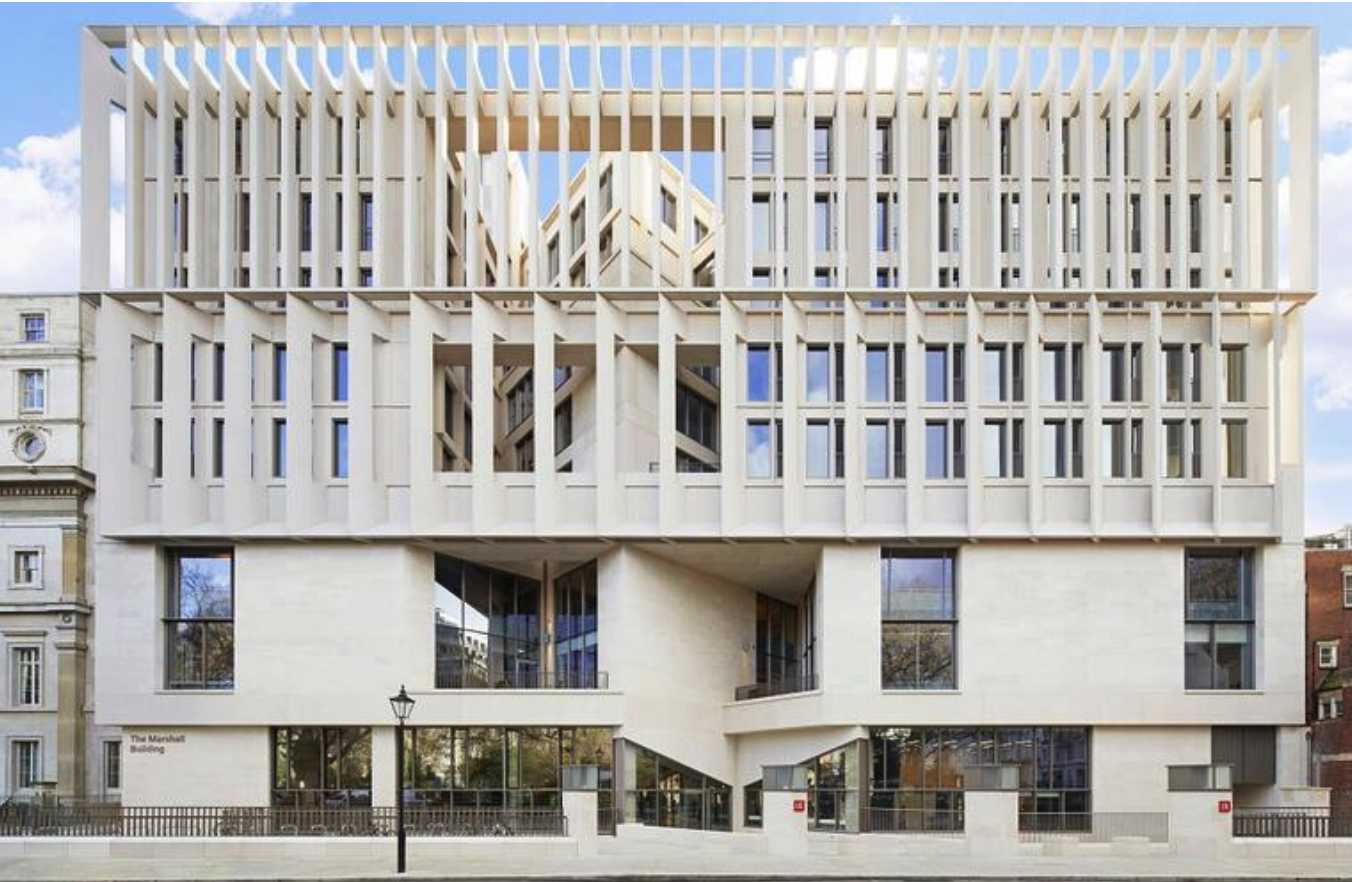
The main building I could not recognise. I gather from the Wiki history it was sold in 2018 demolished and is now the architecture award wining LSE Marshall Building. See photographs below.
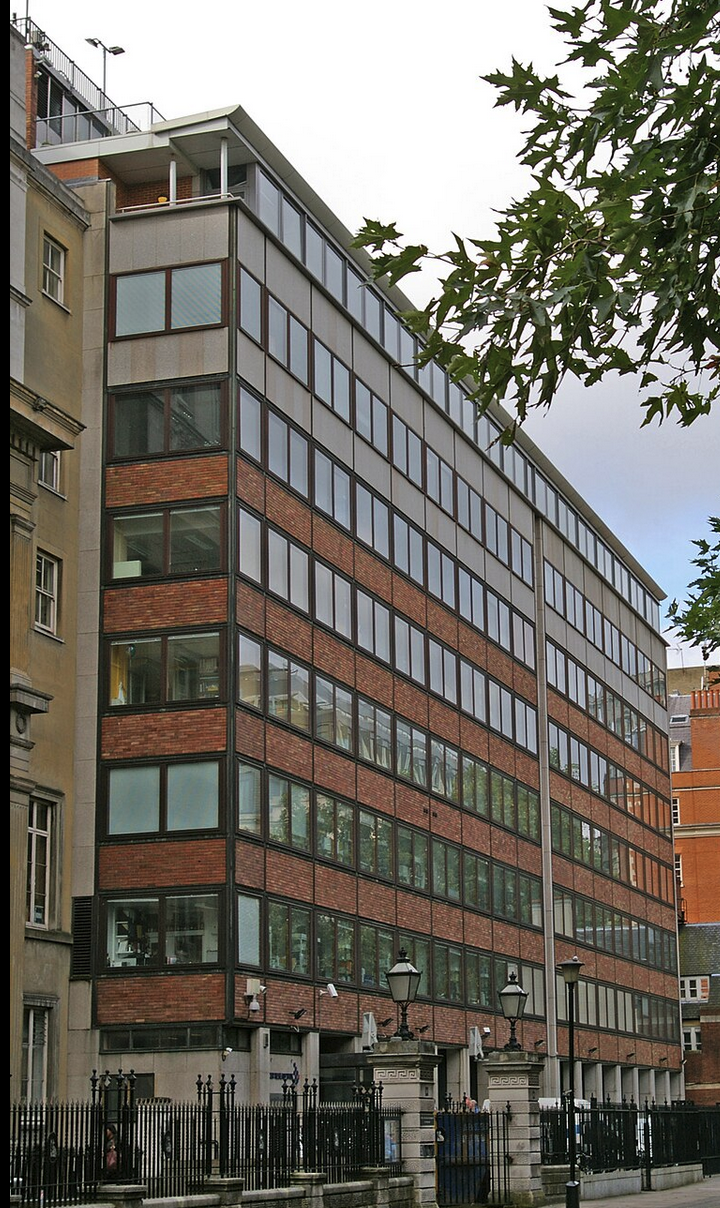
No 61 is now a hotel. As I approached it I remember going for my interview in a suit recently purchased from Beatrice, a stylish Westbourne Grove French friend, and in my pocket (observed later by Malcolm), a packet of Benson and Hedges cigarettes – a colour match, as I smoked rollies at the time. Odd the things I recall. I also remember the tramps on the benches in the park and feeling that dichotomy of this well off area and these down at heal people – a good size the benches, I noted. Why did I never play tennis on those near by courts? Why didn’t I explore that area, look at the street signs as clues to the areas long history, enter the inns of court more than once?
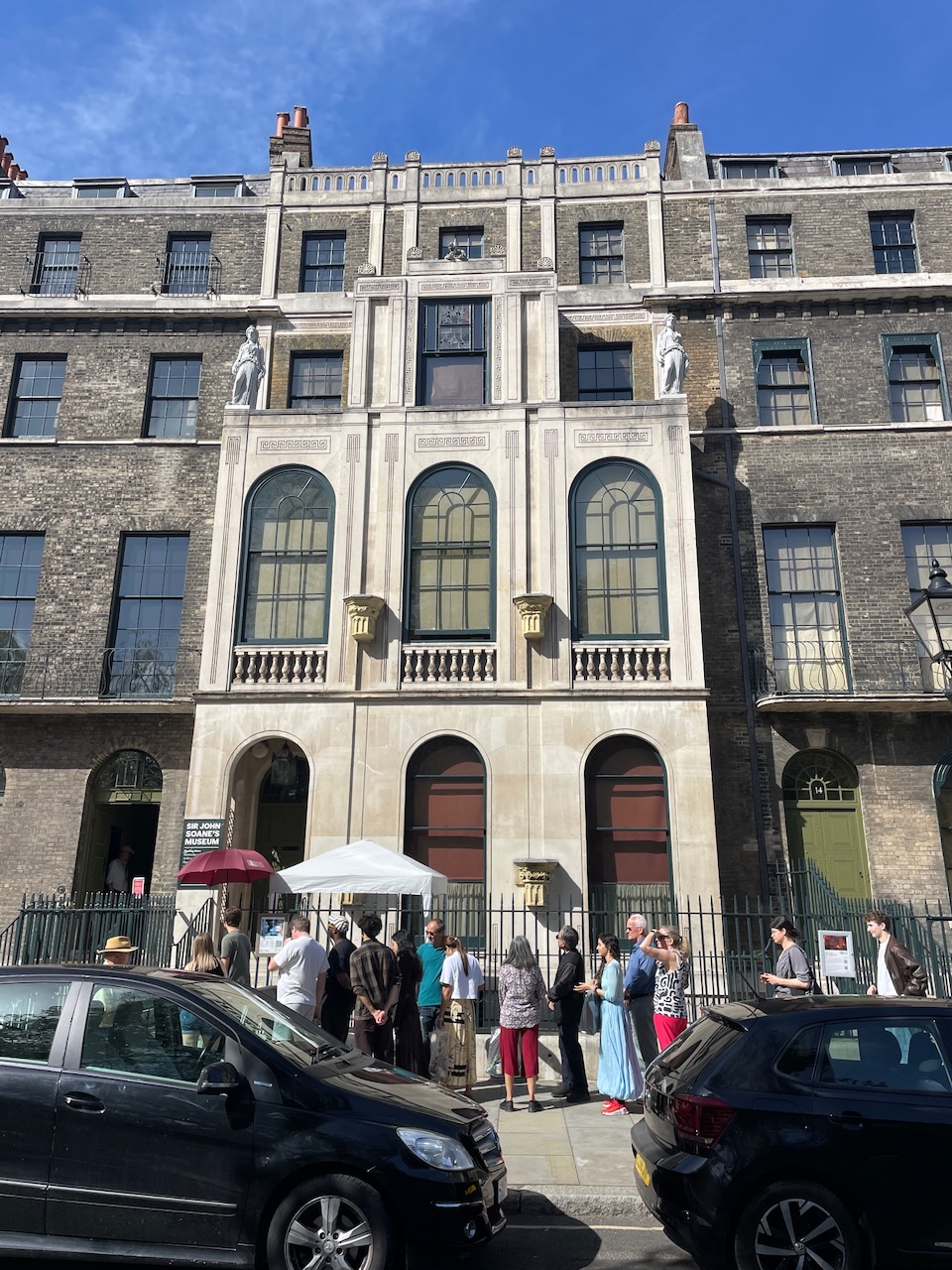
The Sir John Soane’s museum became familiar friend. I would take all visitors who came, usually IT men unfamiliar with art, and the guides called me the unofficial guide. One of the official guides gave me the colour key to the yellow of the sitting room and I painted my Linden Garden flat in that same bright yellow. I still love the colour yellow. Ah those foundations that were being laid then.
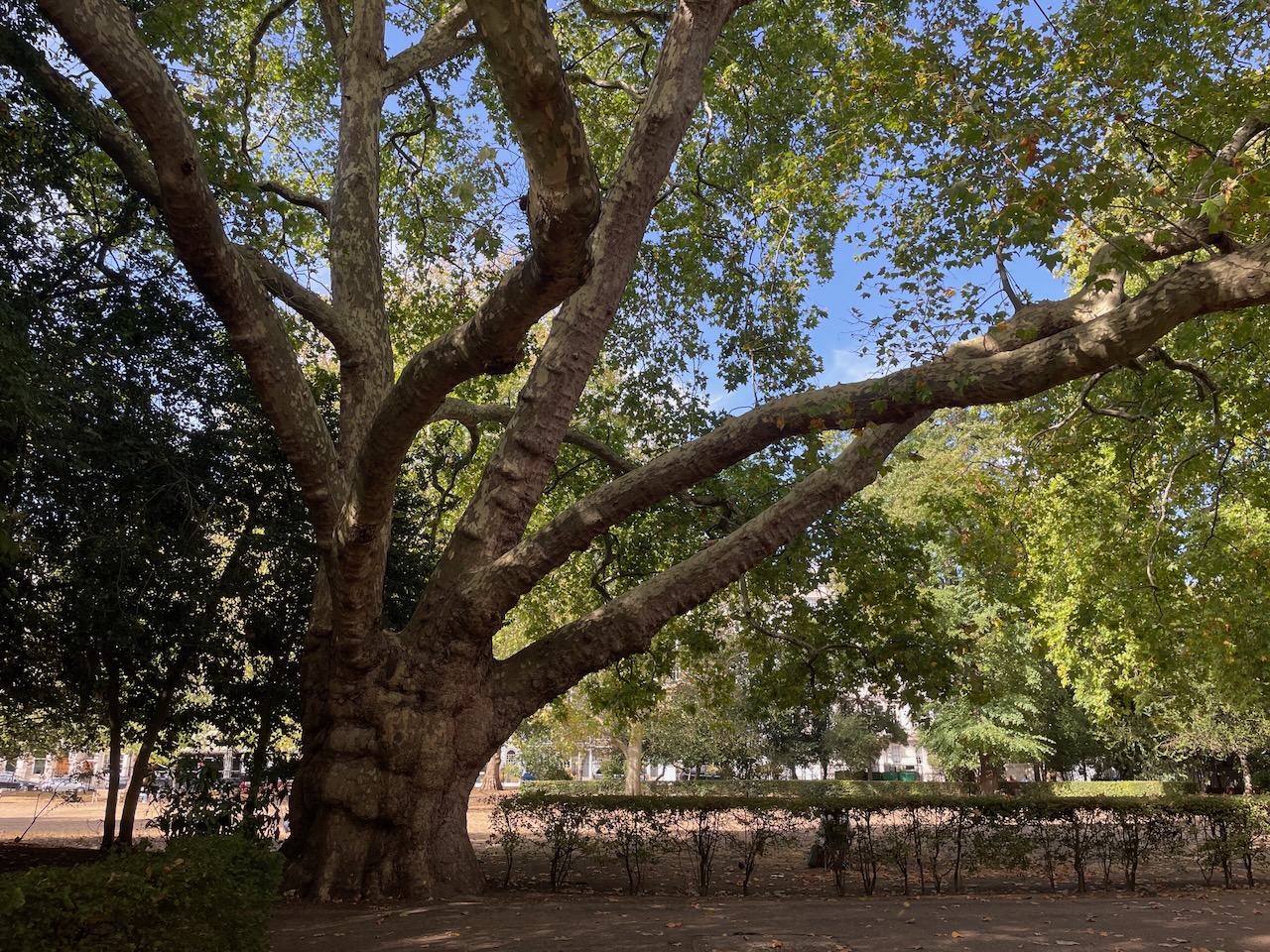
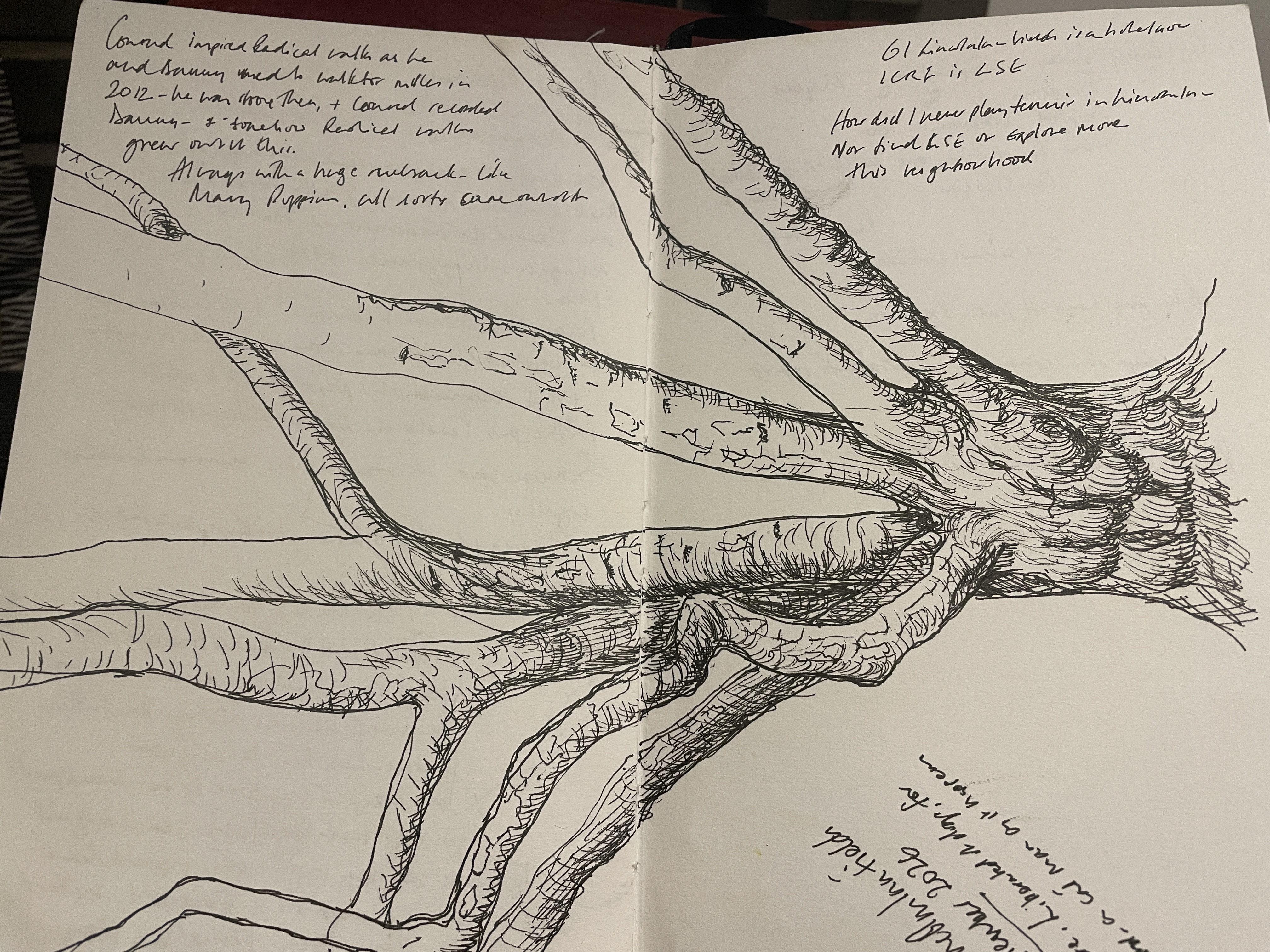
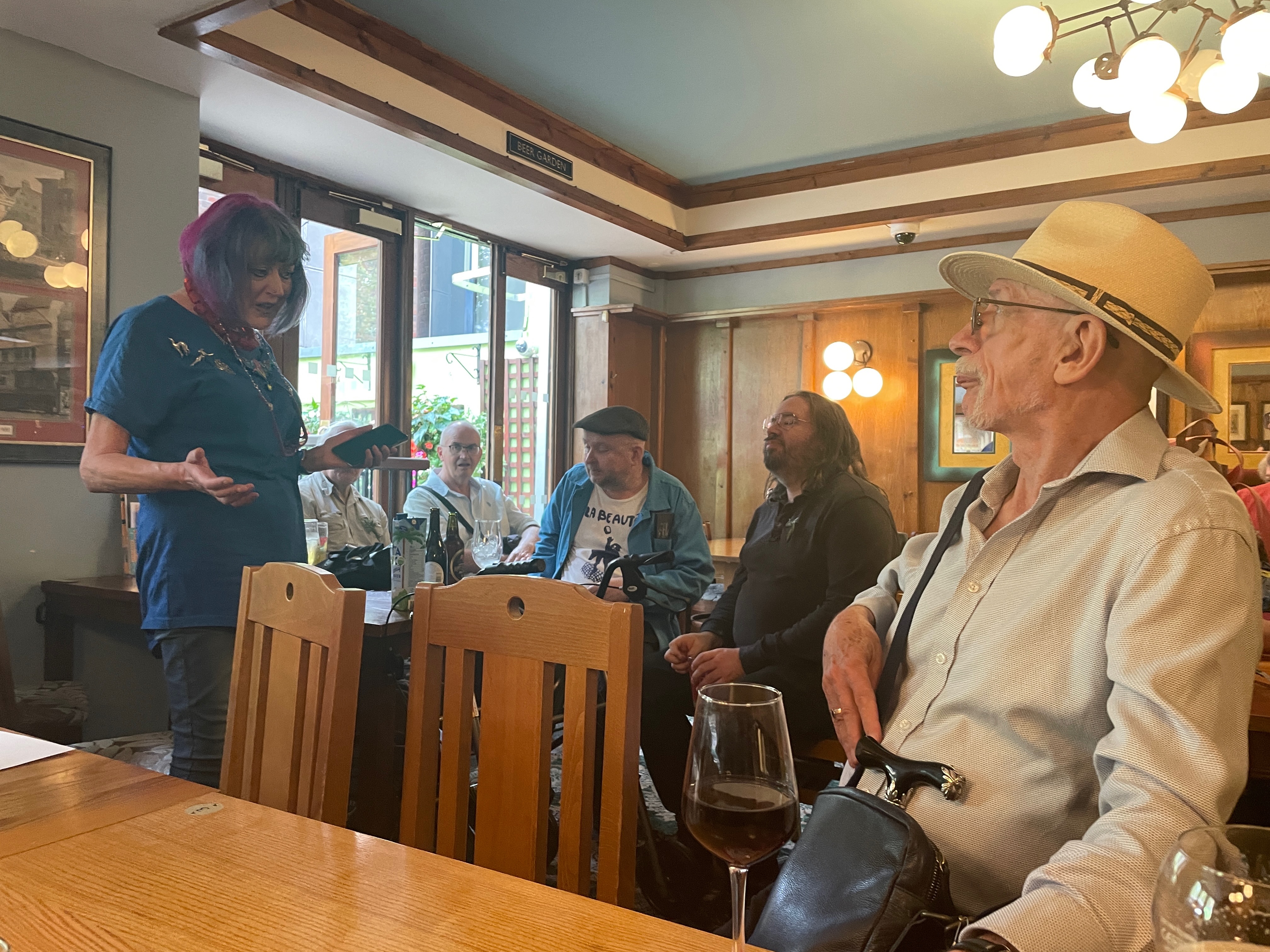
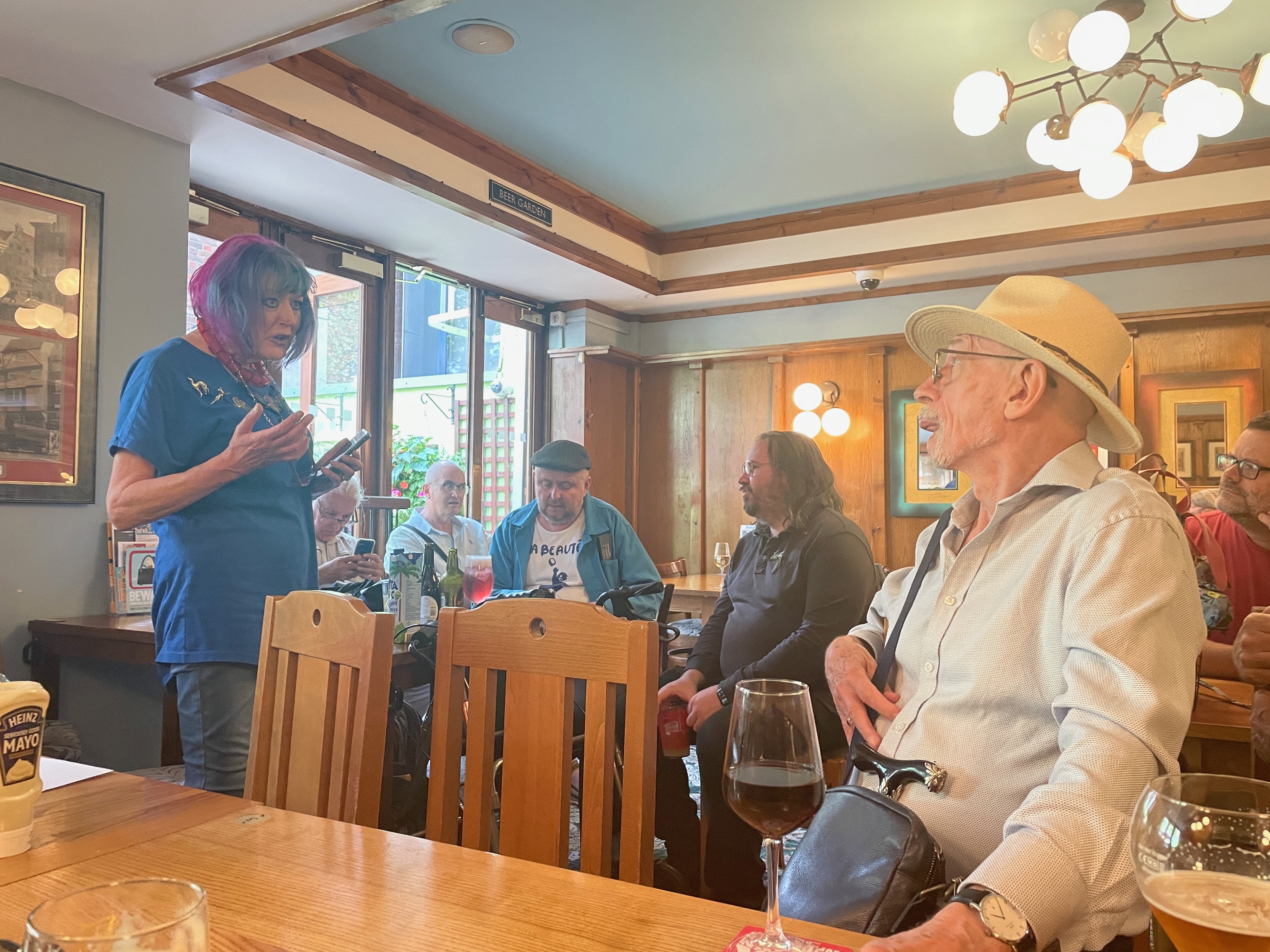
Of course, I didn’t know then that trees would become my centre of attention, and then I did not attend to the magnificent Plane trees in the fields. I did now and drew one of them. As I did I thought of Conrad, with some regret that I had not found more recent connection with him. Why am I coming down to this farewell to Conrad (with all the complex arranging, of dog sitter, replacement train, long expensive journey) and I never came down to see him? That question lingered as I finally arrived at the meeting place post the walk Penderel’s Oak pub.
Dominic put a halt to that lingering question – I cannot remember exactly what he said, but it was firm and allowed that regret to go, giving way to openly explore the patchwork of Conrads life with those who came this day. The earliest friend was a colleague from Glasgow University, where Conrad studied – perhaps history we thought. Ah so Glasgow Style, the BCS conference Malcolm and I helped to co-ordinate, would have been close to his heart. It was in Glasgow he first met activism in the form of Christian activism through Stella Jane Reckie, who famously created the International Flat for refugees and immigrants in the 1970’s (coming over from Uganda etc).
Yes, someone confirmed Conrad worked in Manchester but due to the increase of work in London he moved down (hence my record of driving him and his books down in a Luton van). He lived in Rotherhith when I knew him, with a view over the Thames he was delighted to enjoy. He talked of his earlier times in East Timor (presumably Indonesian invasion and occupation 1975–1979) and other eastern lands that I knew nothing off, and heard these countries for the first time from Conrad. As someone said, Conrad wore his life and knowledge gained lightly.
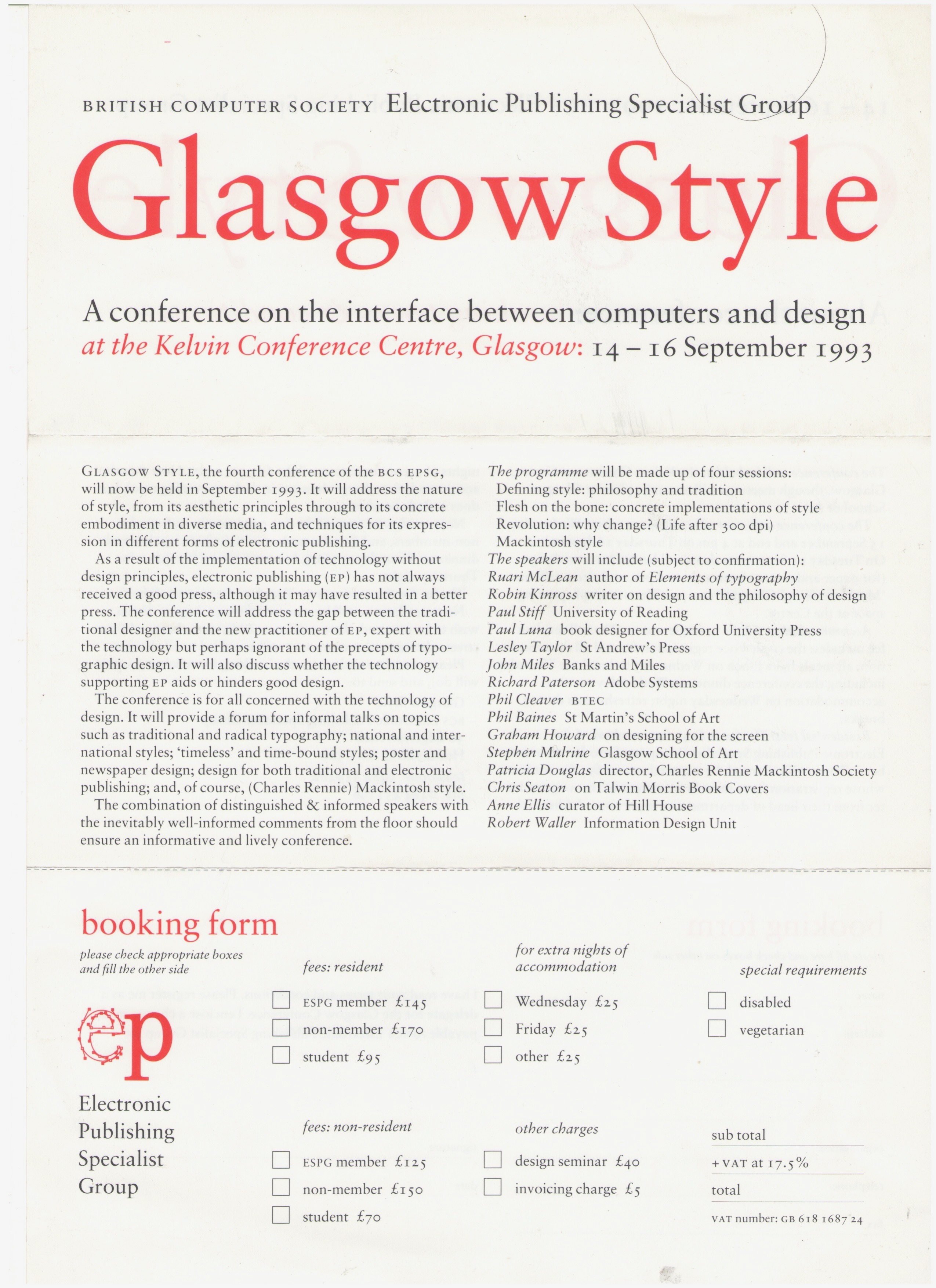
1993 Glasgow Style, was Conrad with us for this? Malcolm may remember. My record of knowing Conrad spans from 93 to 96 when I left for India. We kept in touch on Facebook, so I was aware of his move from Rotherhith into sheltered housing. Wherever he went he became a caretaker of the community, latterly taking up gardening, establishing a community garden.
The IDA covered our beer tab, and a colourful and eloquent representative spoke at the gathering reading out a letter from an IDA person who could not be there. It was in the form of a letter to Conrad.
Radical Walks I gathered from Danny were were initially inspired by Conrad. Danny and Conrad used to walk for miles around London, Conrad was remarkably fit then. Conrad with a tape recorder recording Danny speaking, and out of this Radical Walks evolved. Conrad was a regular, always with a huge rucksack, which like Mary Poppins, he’d draw out remarkable things such as umbrellas.
I talked to an interesting man who had been a librarian in Newham for many years, and we swapped stories on Windsor road. That was unexpected to find this connection.
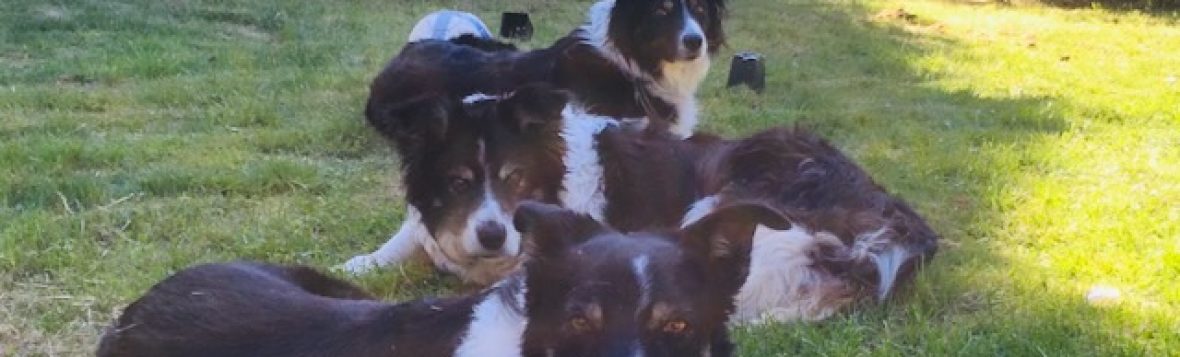
I almost joined Danny in a Talisker whisky to toast Conrad, but I had a train to catch and knowing my knowledge of London transport was now flawed, I left with good time to catch the train followed by bus replacement. I got back to the 3 border collies eager to see me and pee, at 10pm.
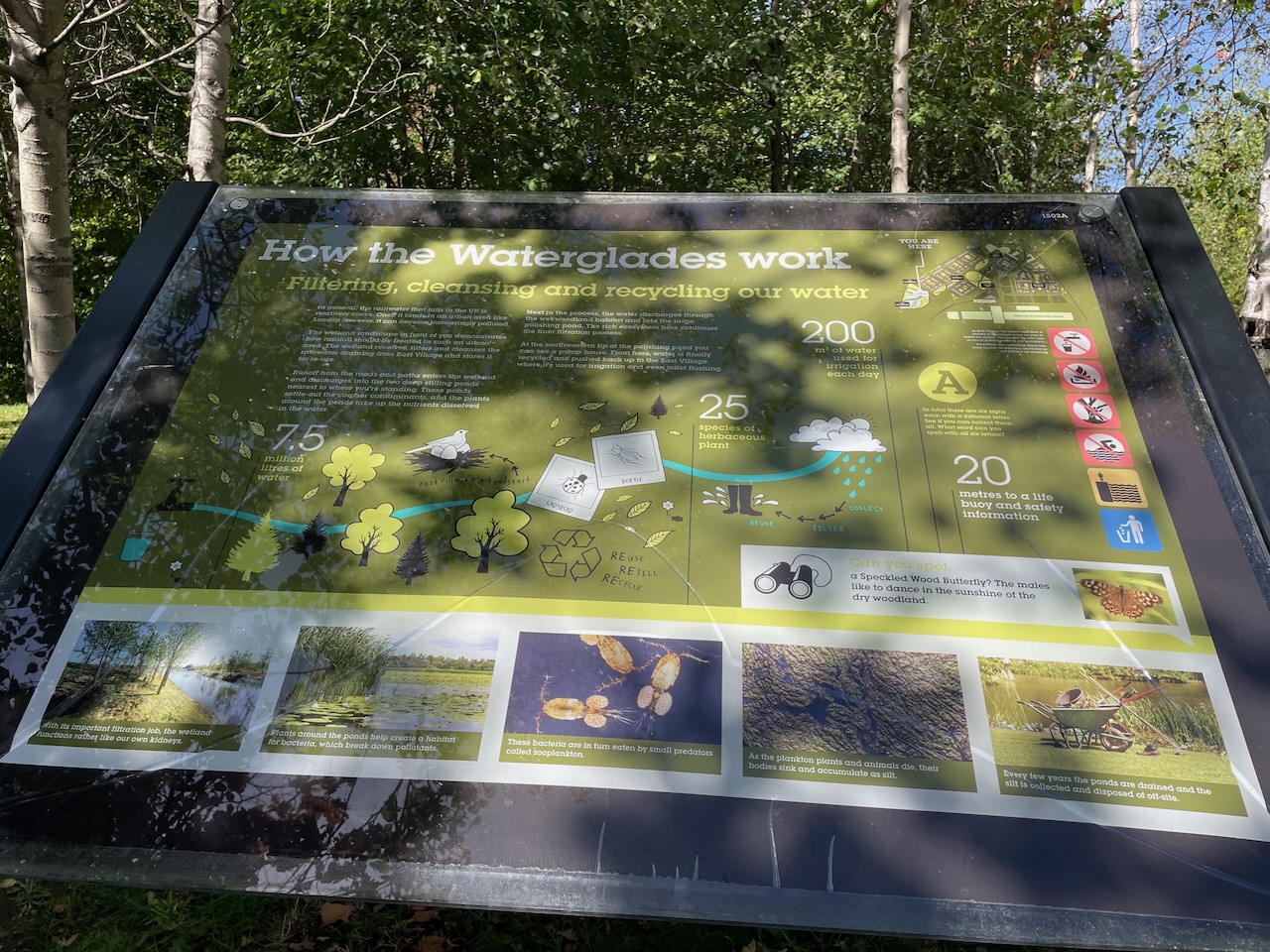
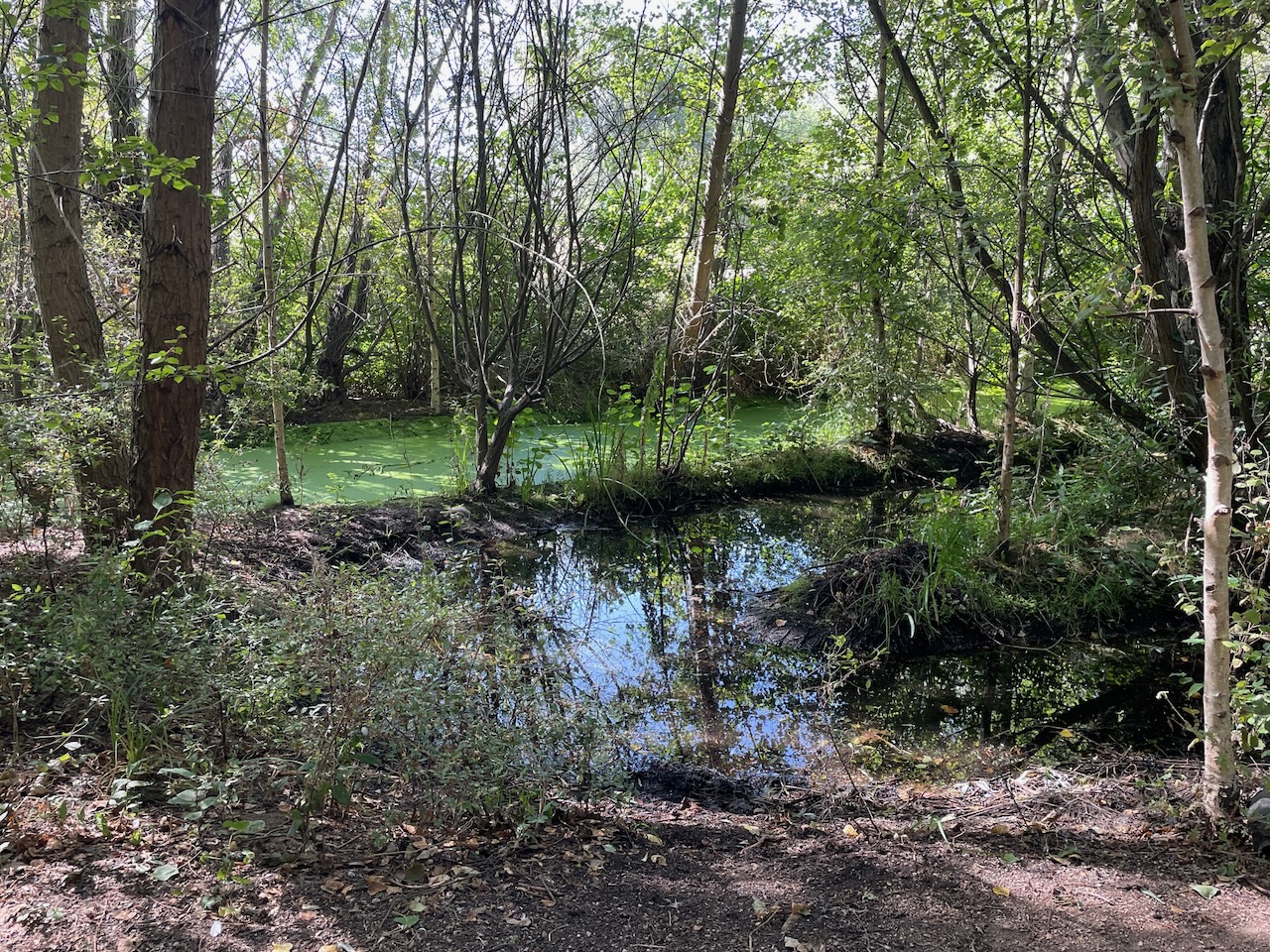
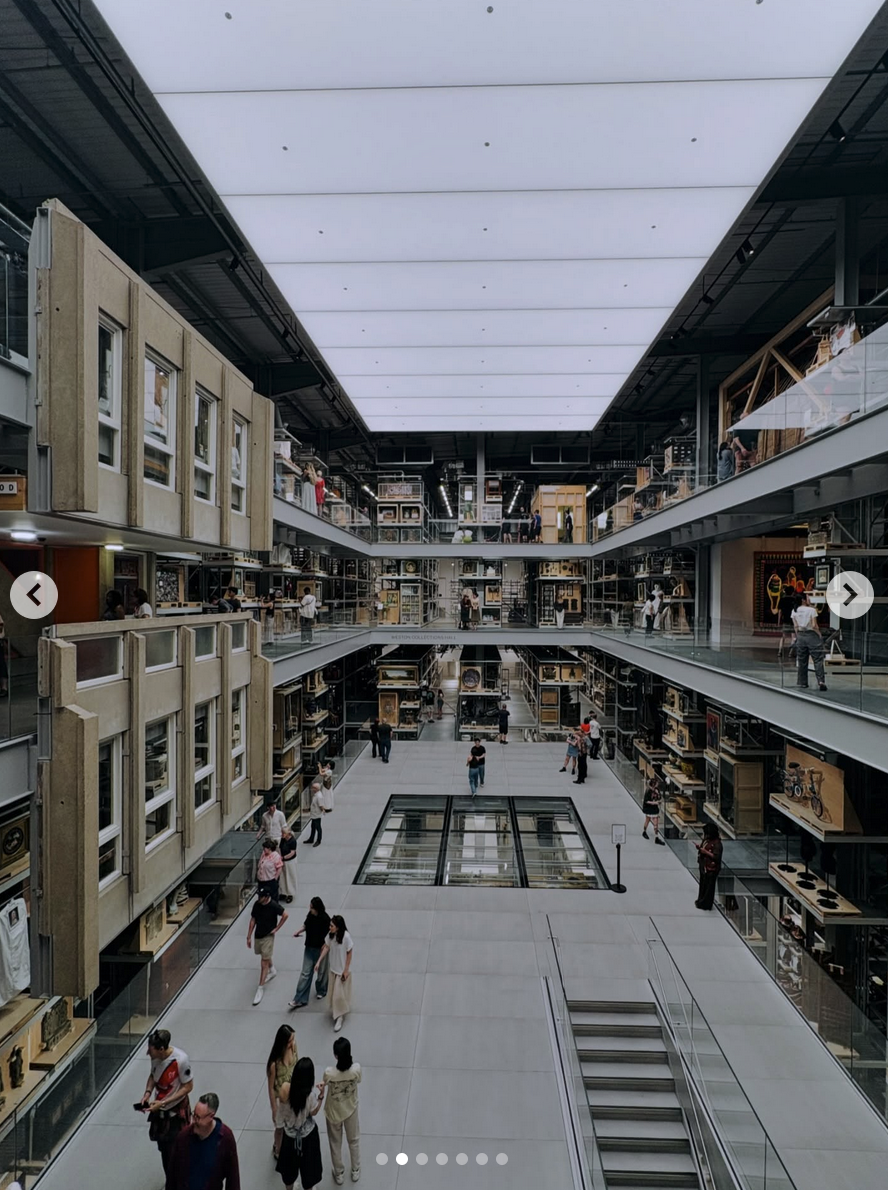
The V&A Store room was fascinating. I immediately wanted to share it with Bo and Brian and Kevin. It was so easy to access from Stratford station, from where I walked (20 mins) I walked through what I gathered from the Librarian I met at Conrads event, was once a notorious dirty swamp land polluted by all the tanneries established along the Lee Navigation. This was a fantastic testament to the legacy of the 2012 Olympics (a sharp contrast, he said, to the Greek legacy). The landscape designers had created a waterglade to filter water, a cool place on such a warm September day and I was glad to walk under the canopy.
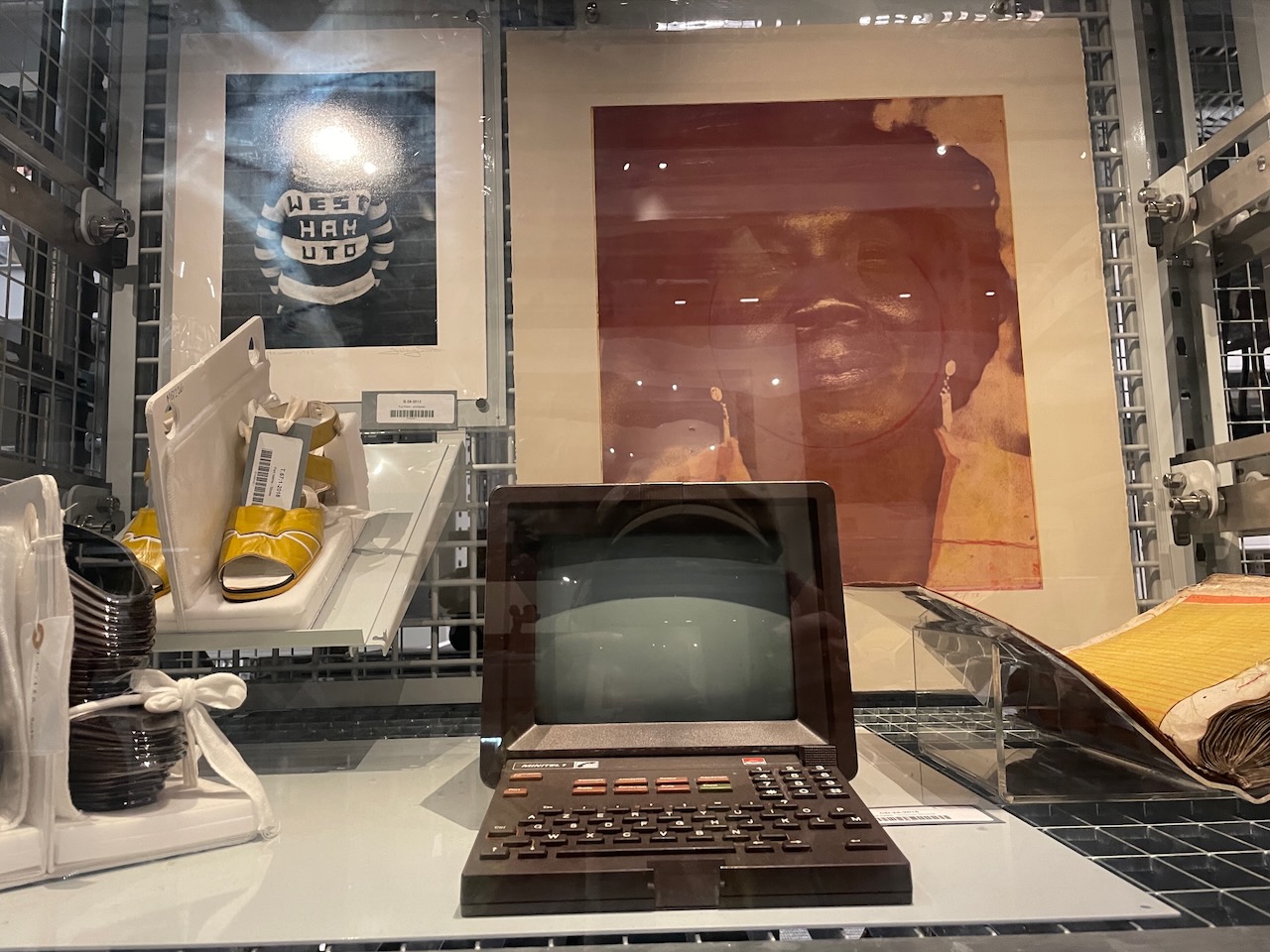
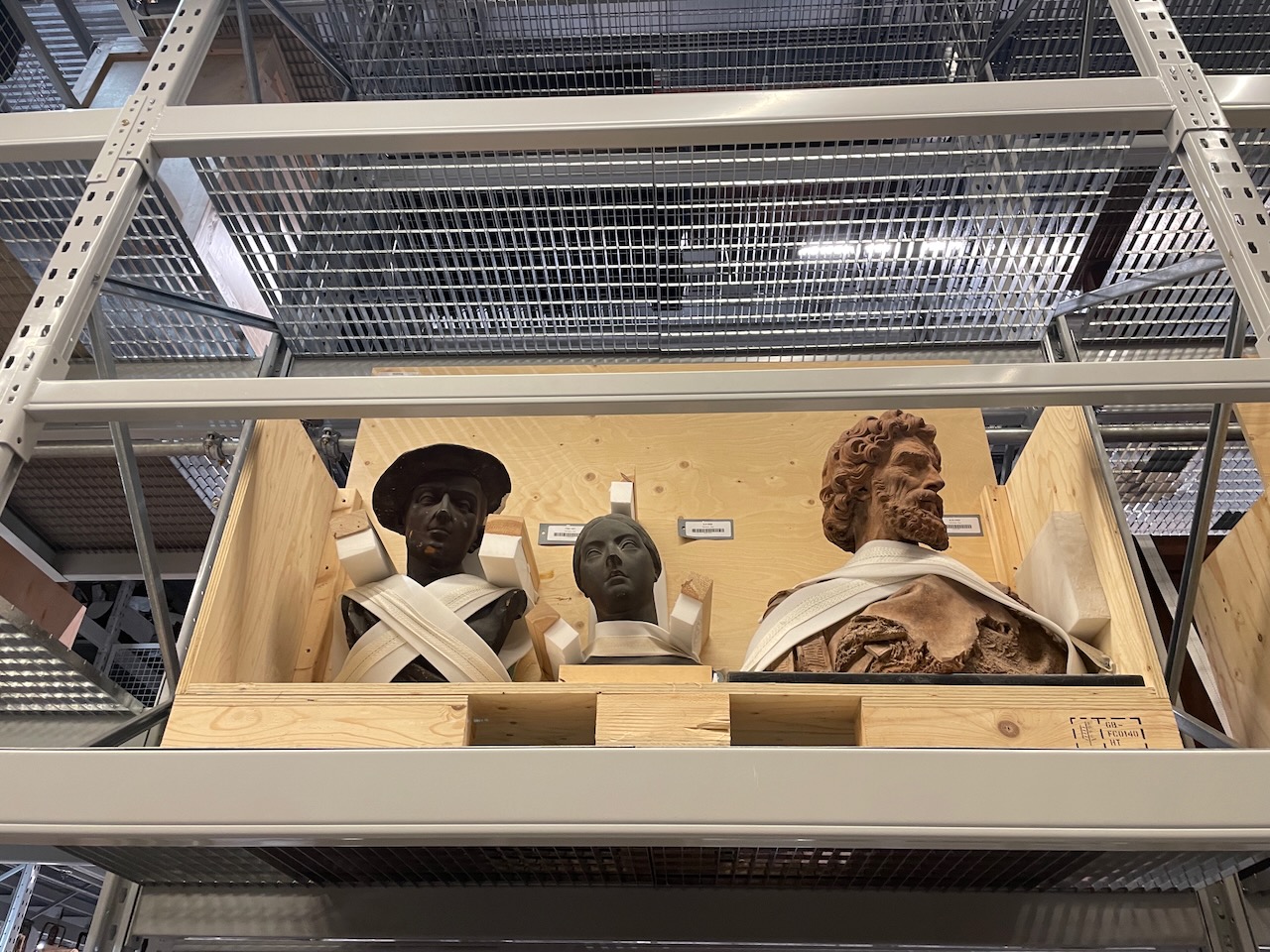
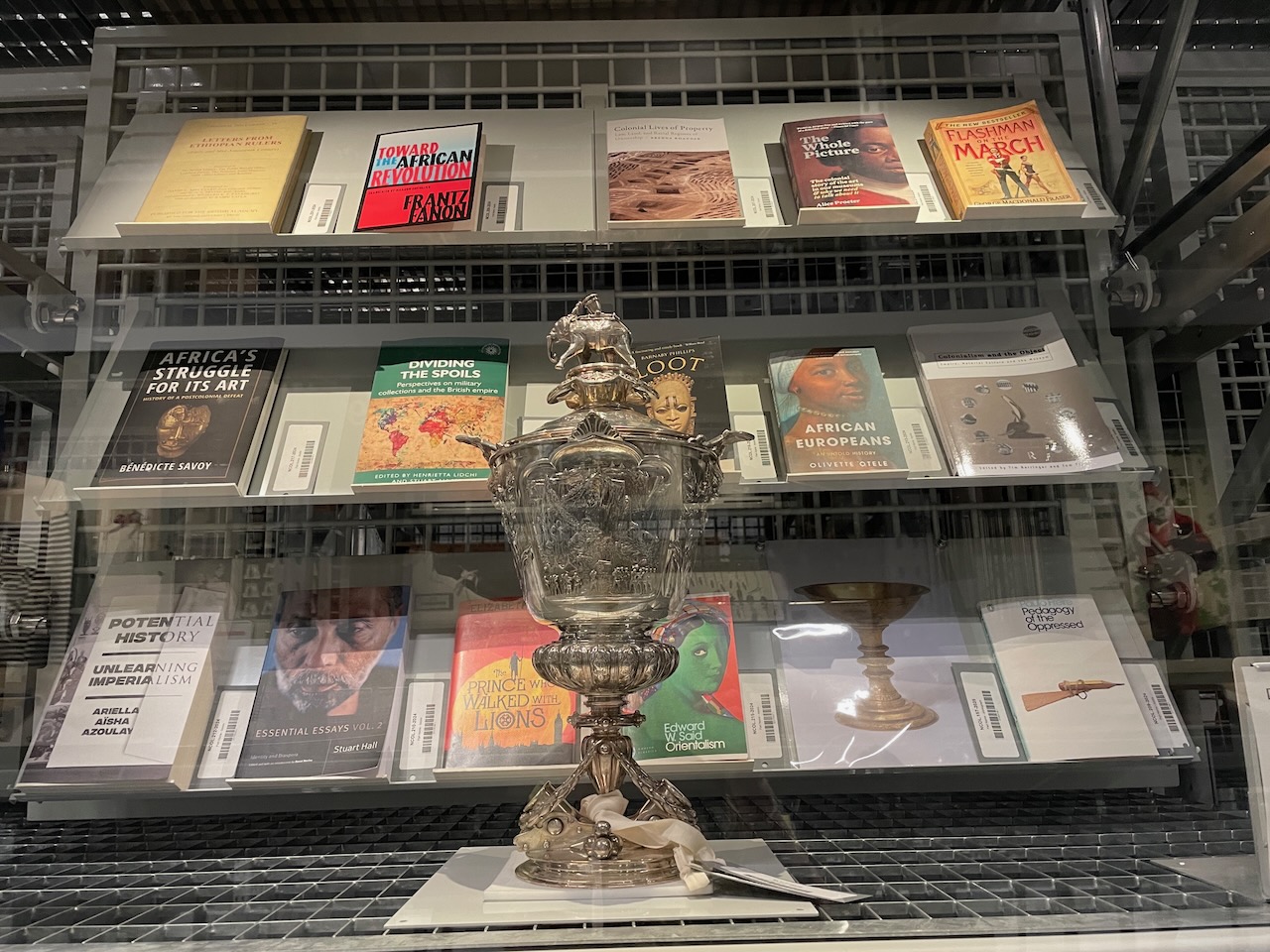
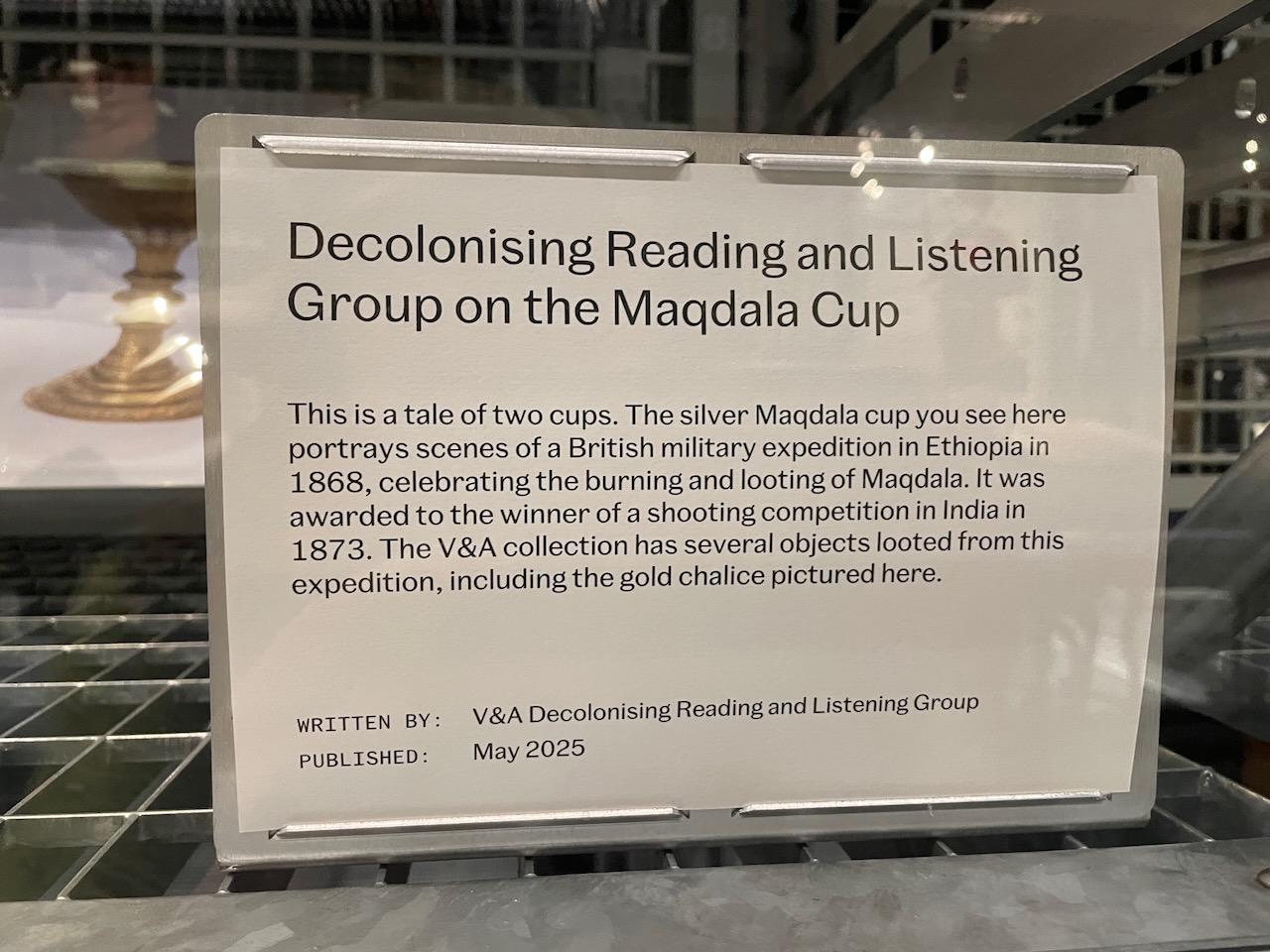
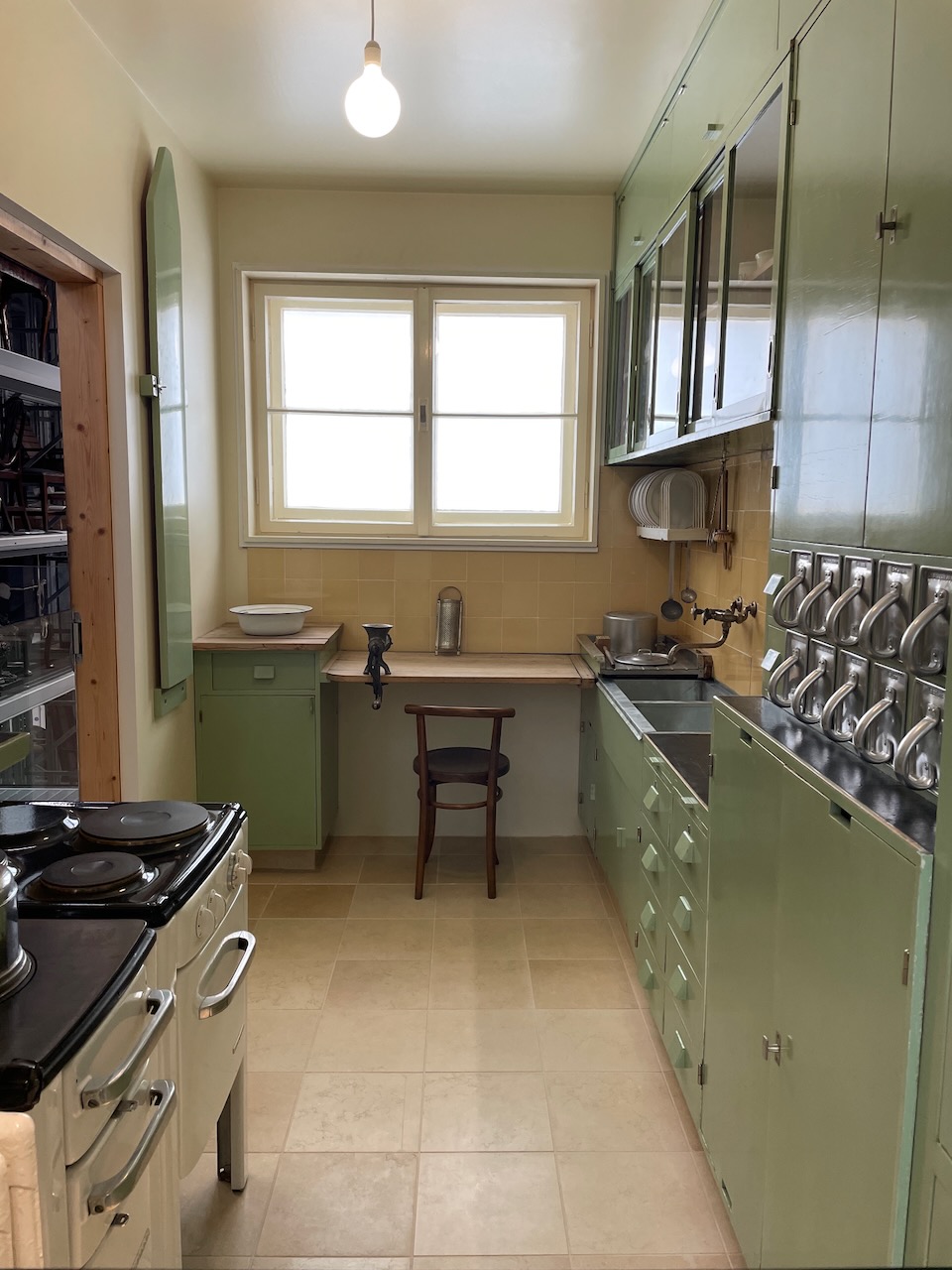
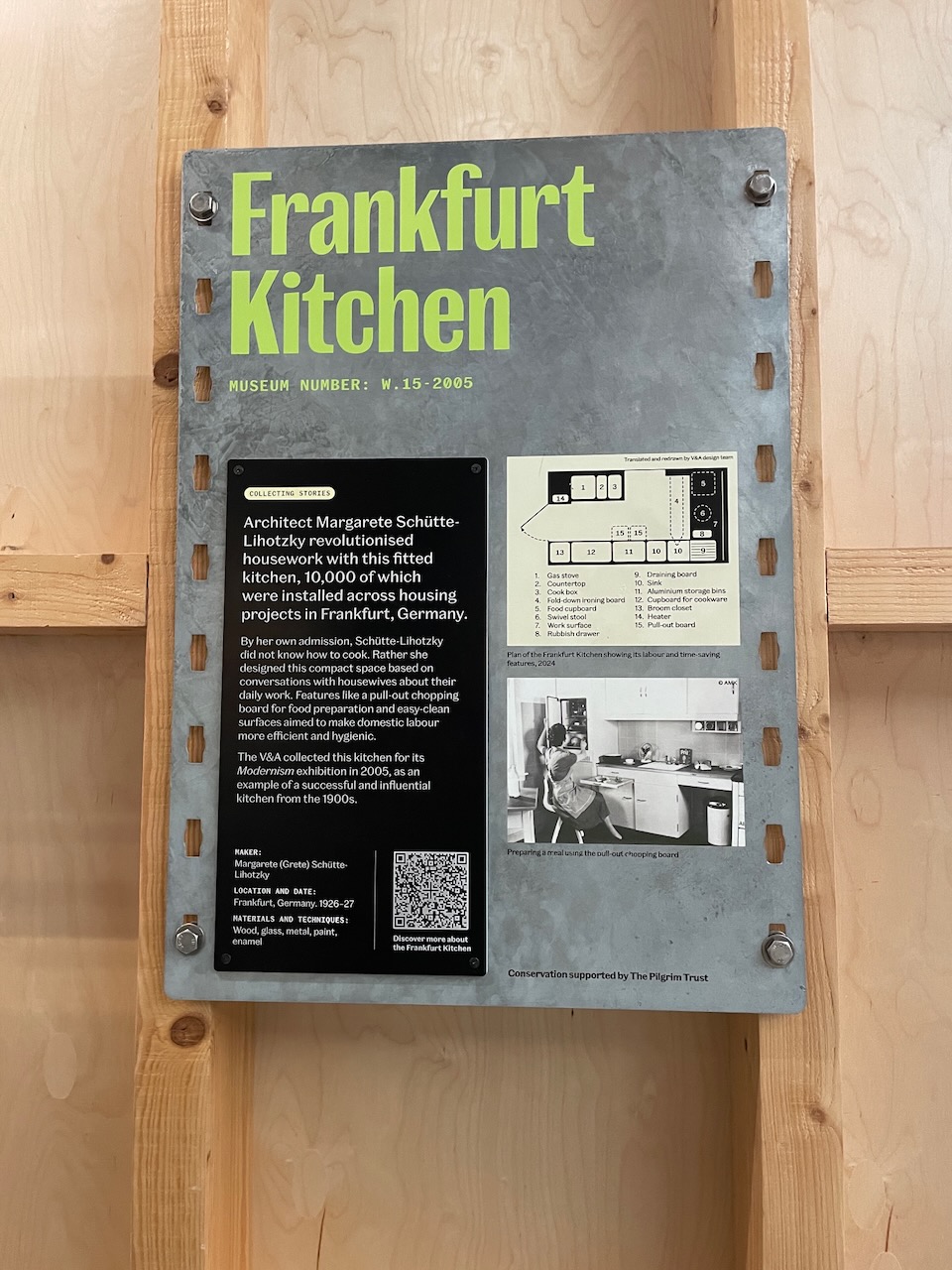
The V&A Storehouse is as the Guardian says, The national museum of absolutely everything. Randomly ordered, rather like a mail system, just indexed so you’d be able to find a Brompton Bike beside a Roman bust.
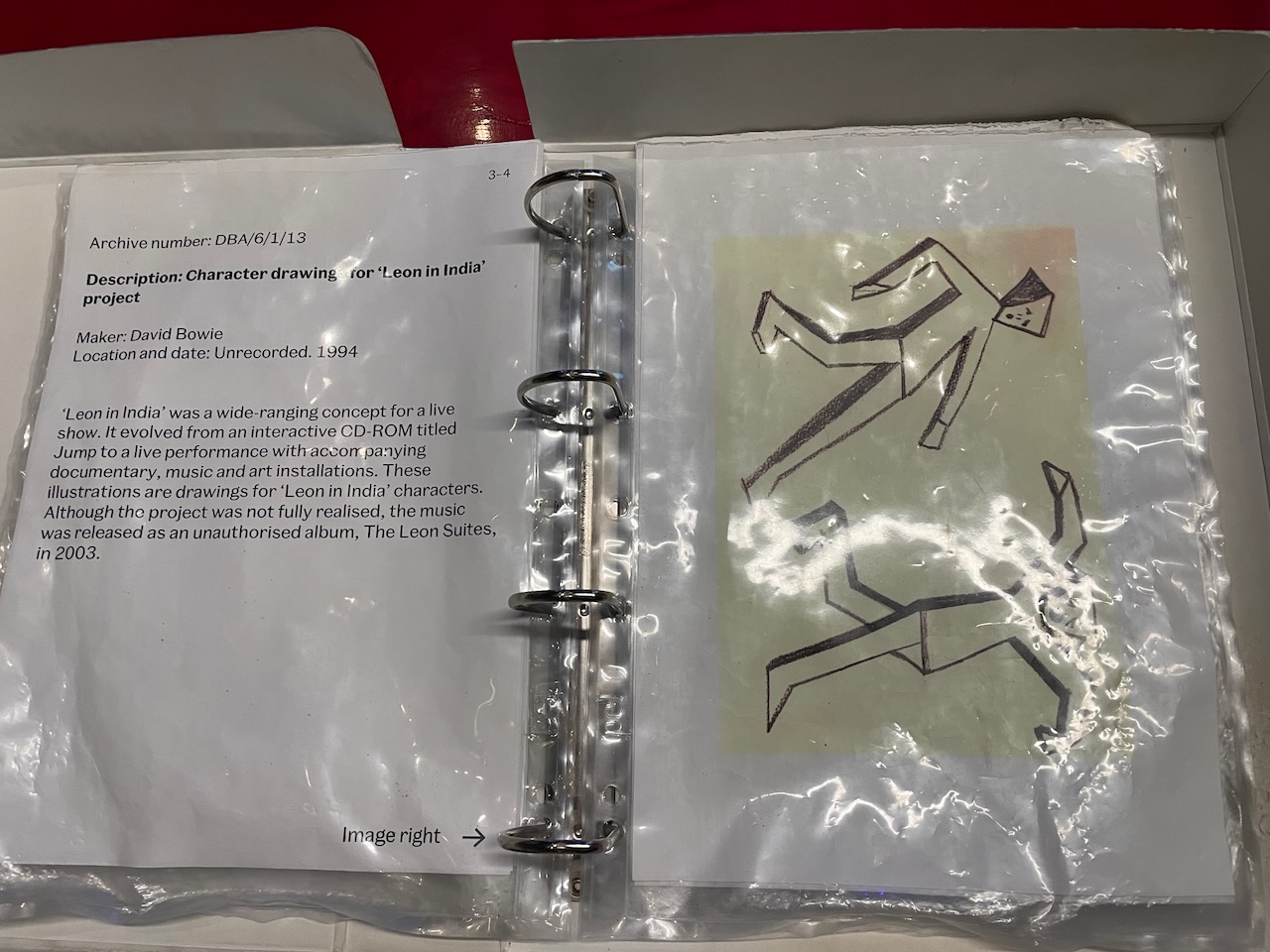
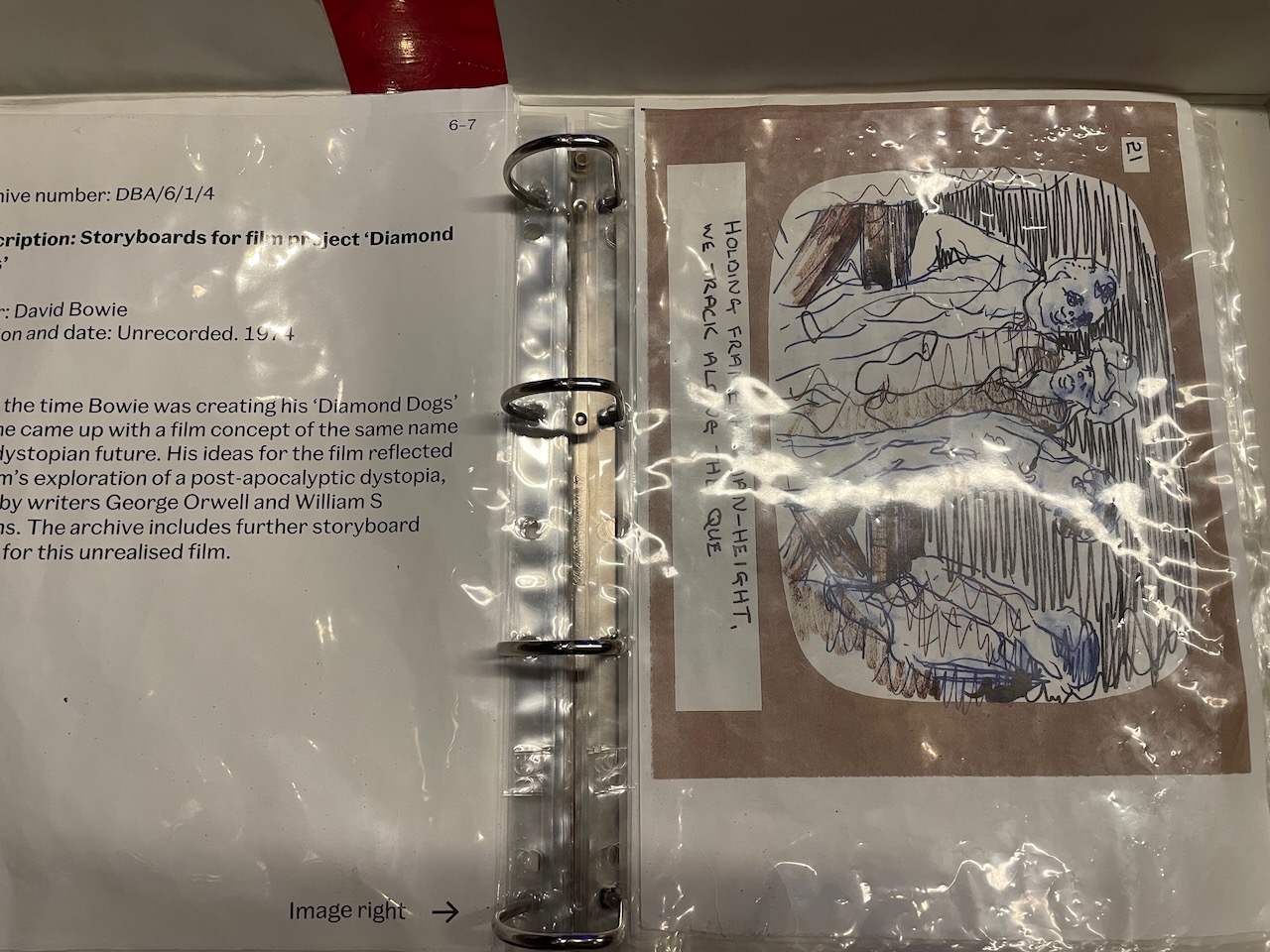
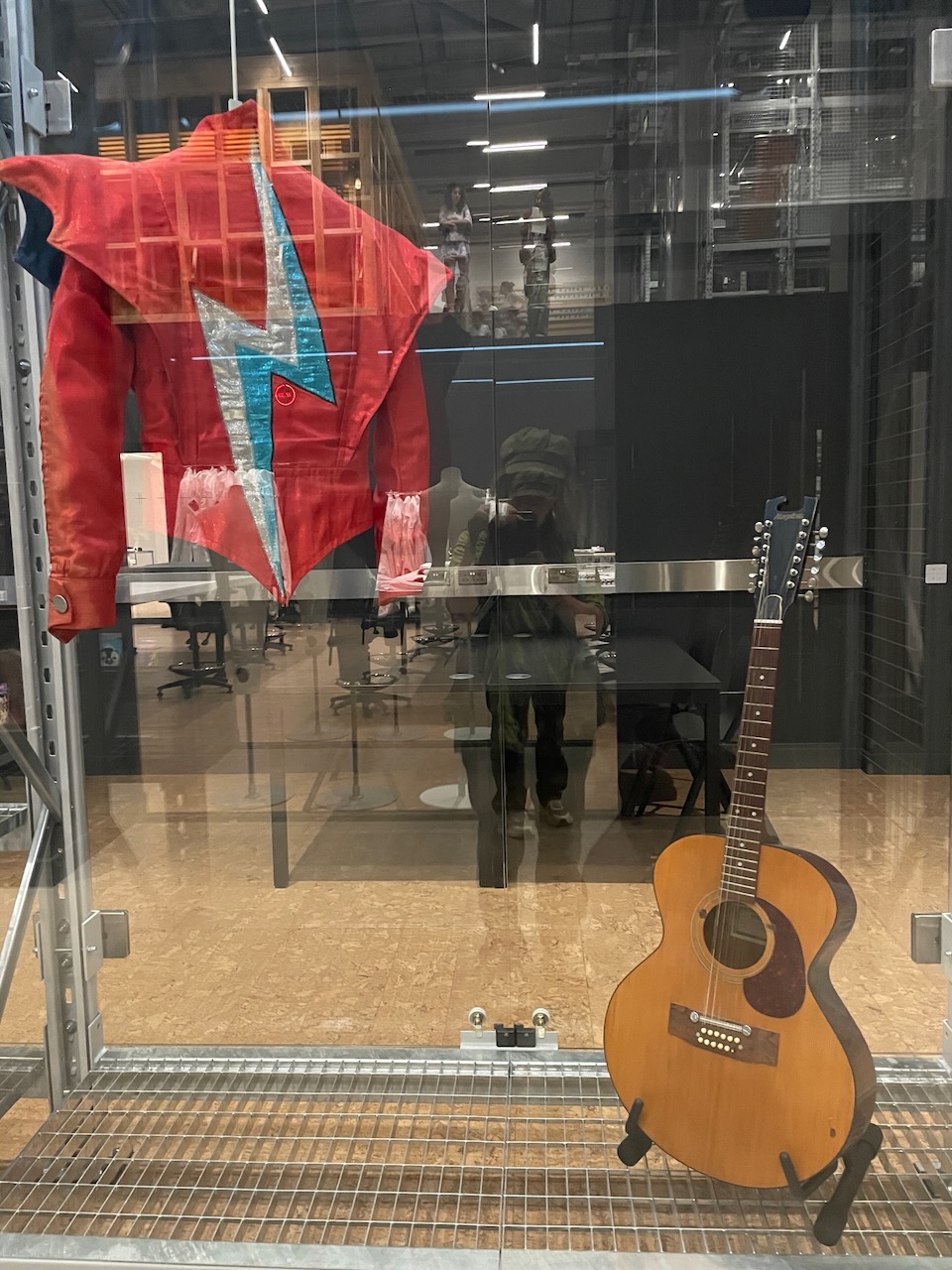
And then I found the Bowie archive. Such relentless creativity. I didn’t know Let’s Dance was a tip of cap to Australian First Nation. We can be heroes – inspired by seeing a couple embrace near the shadow of the Berlin Wall. Glass Spider. The Unrealised projects were tantalising: Leon in India, East London Jungle and drum. I am blown away by Bowie’s drawings which are so free and explorative. I will return.

Conrad’s Facebook page.
.
.
.


