
Big Conversation:
Migration and Immigration / January 2026

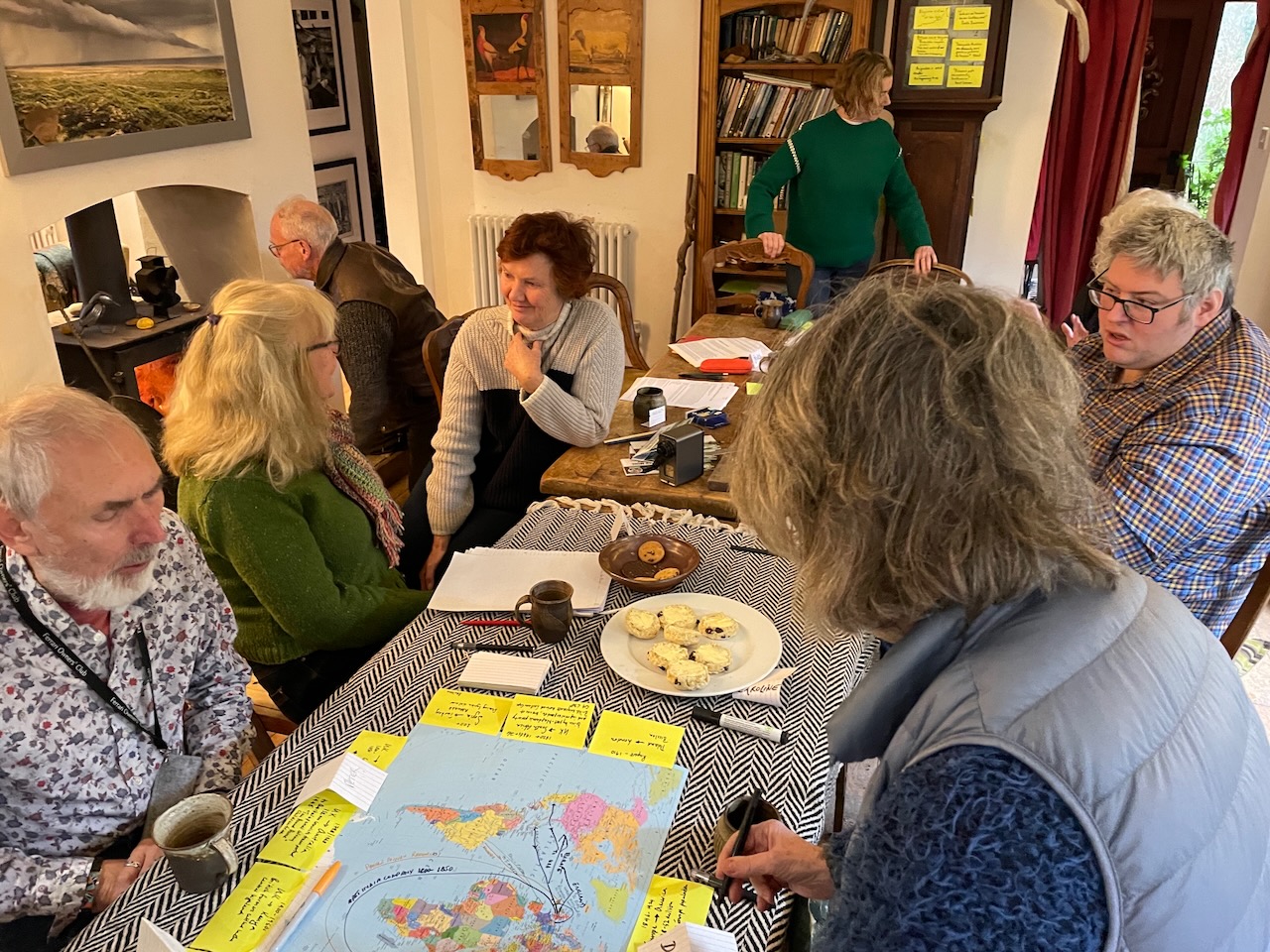
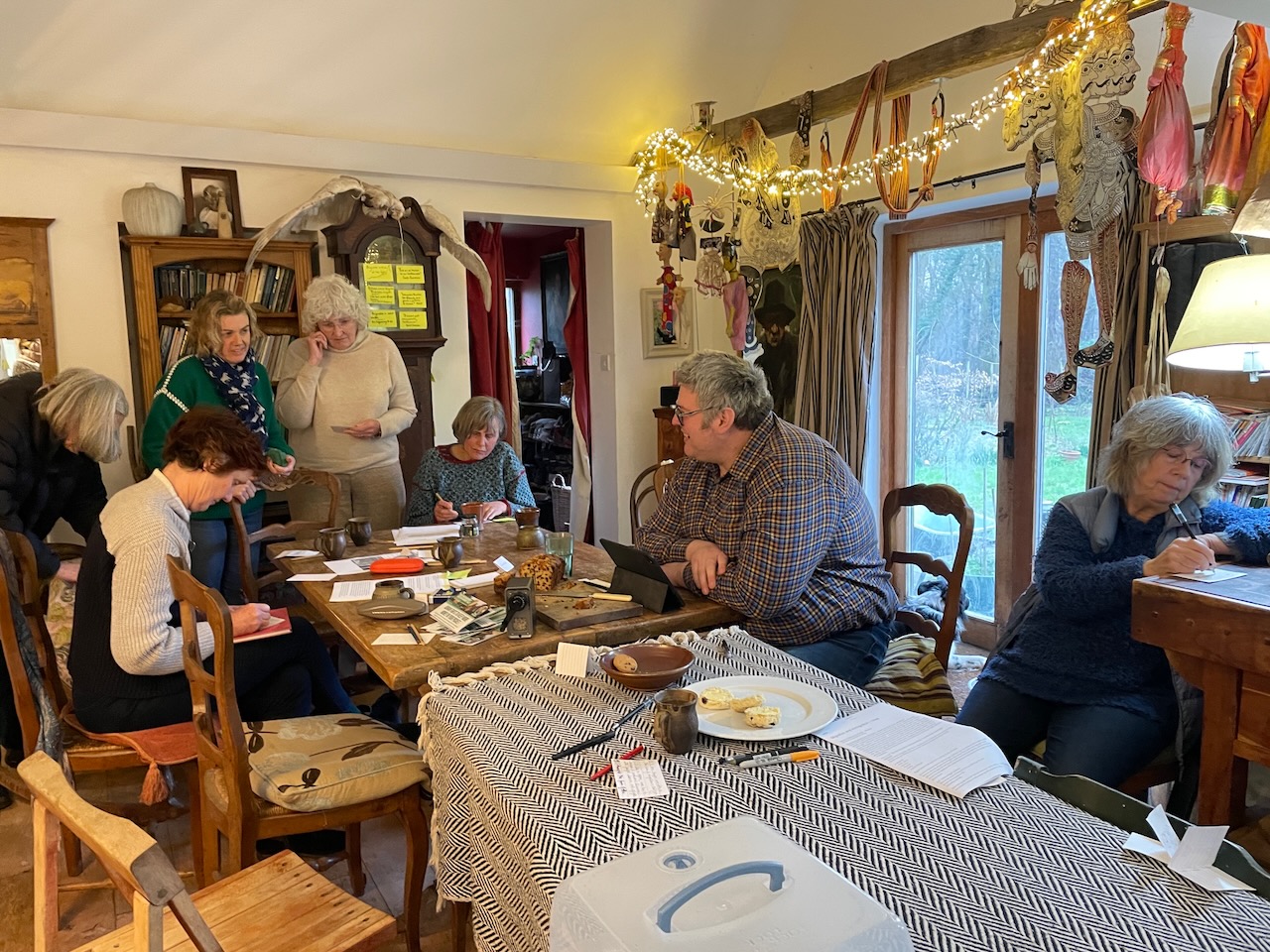
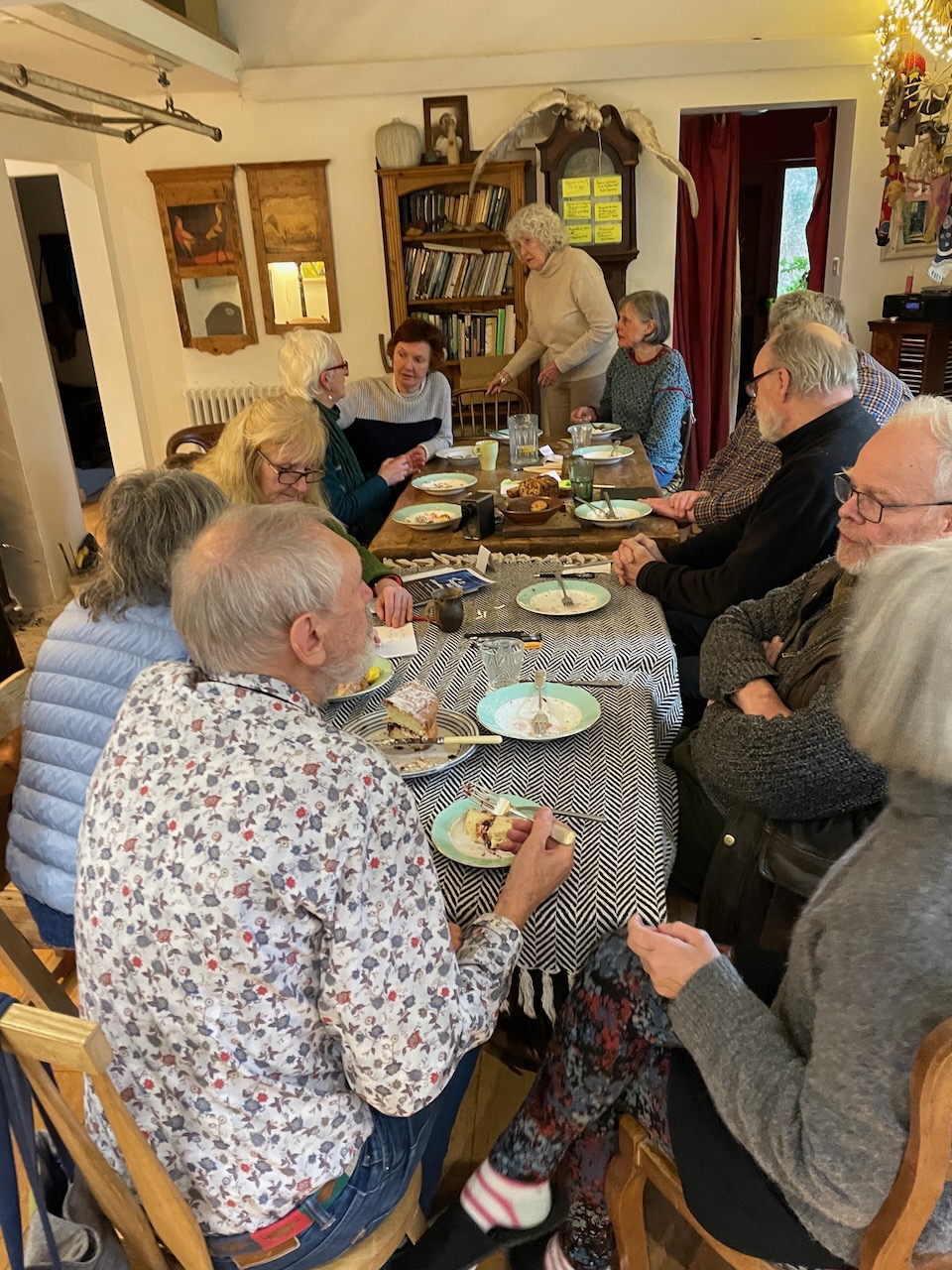
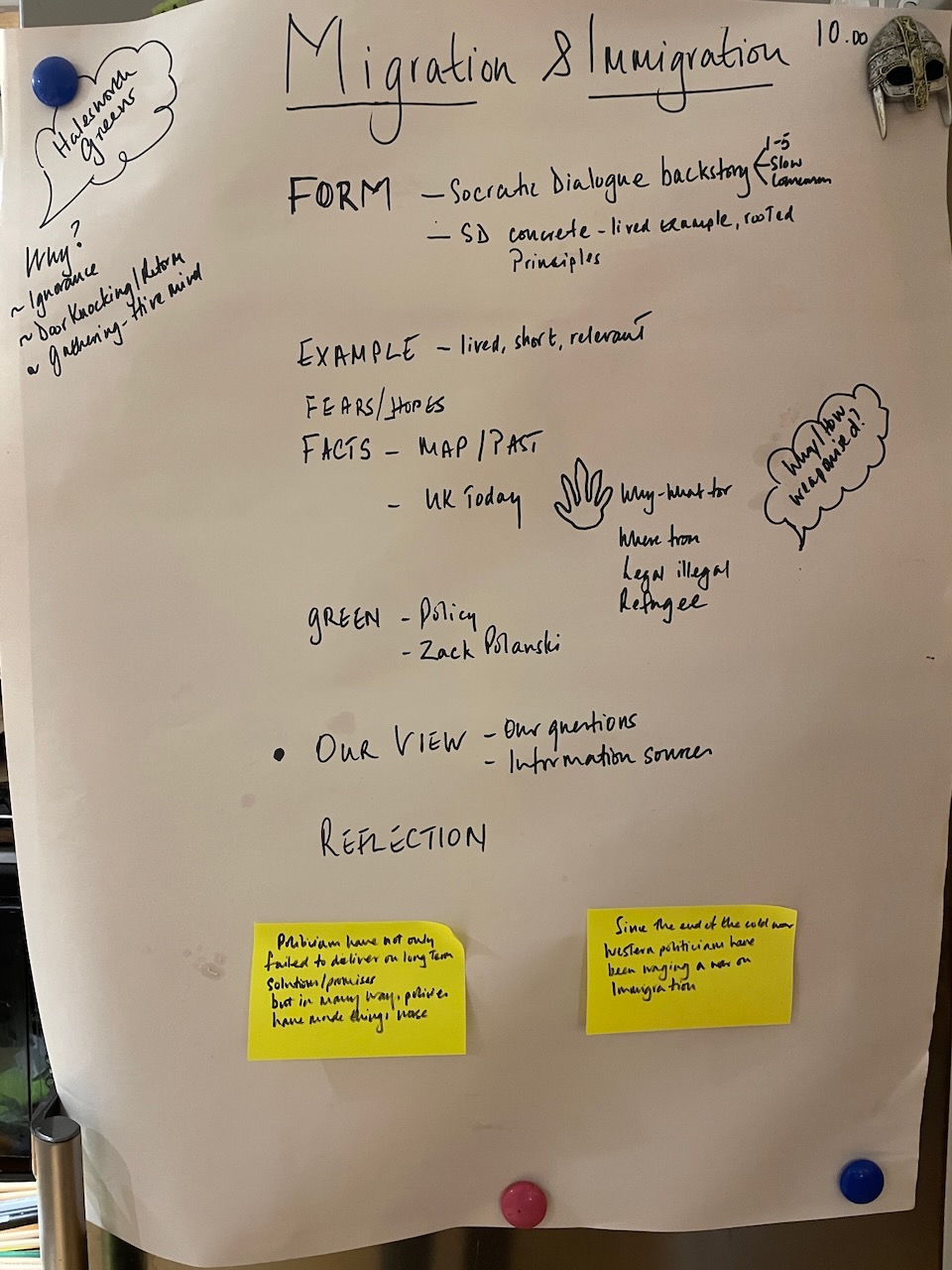
Halesworth Greens were invited to a friendly gathering to discuss the complex topic of immigration. The proposal was to explore 3 questions: The facts, the Green view, Our view. It was full and colourful and it didn’t go exactly to plan. On a dull January Sunday morning 16 people sat around a kitchen table in Holton.
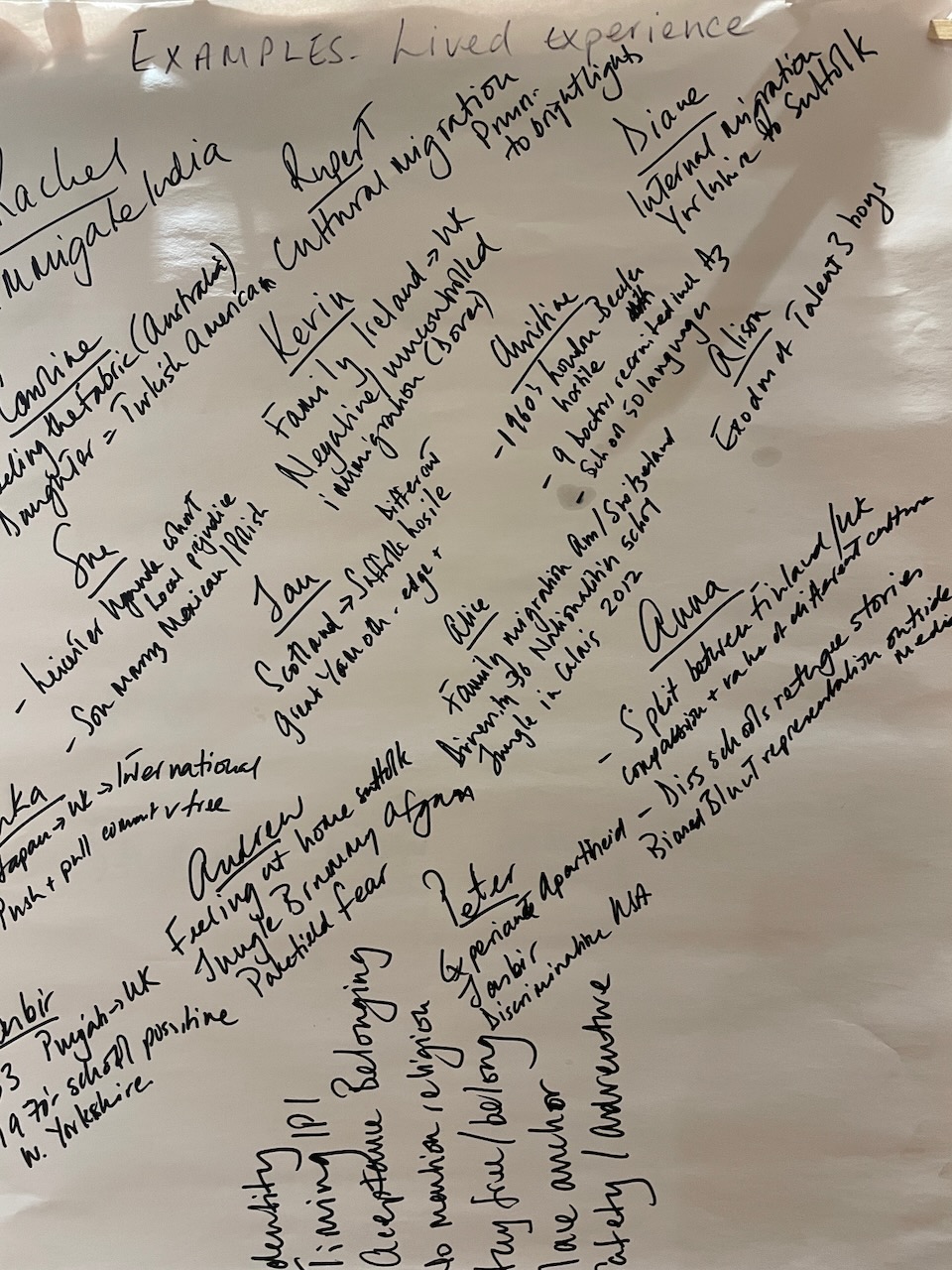
Our experience
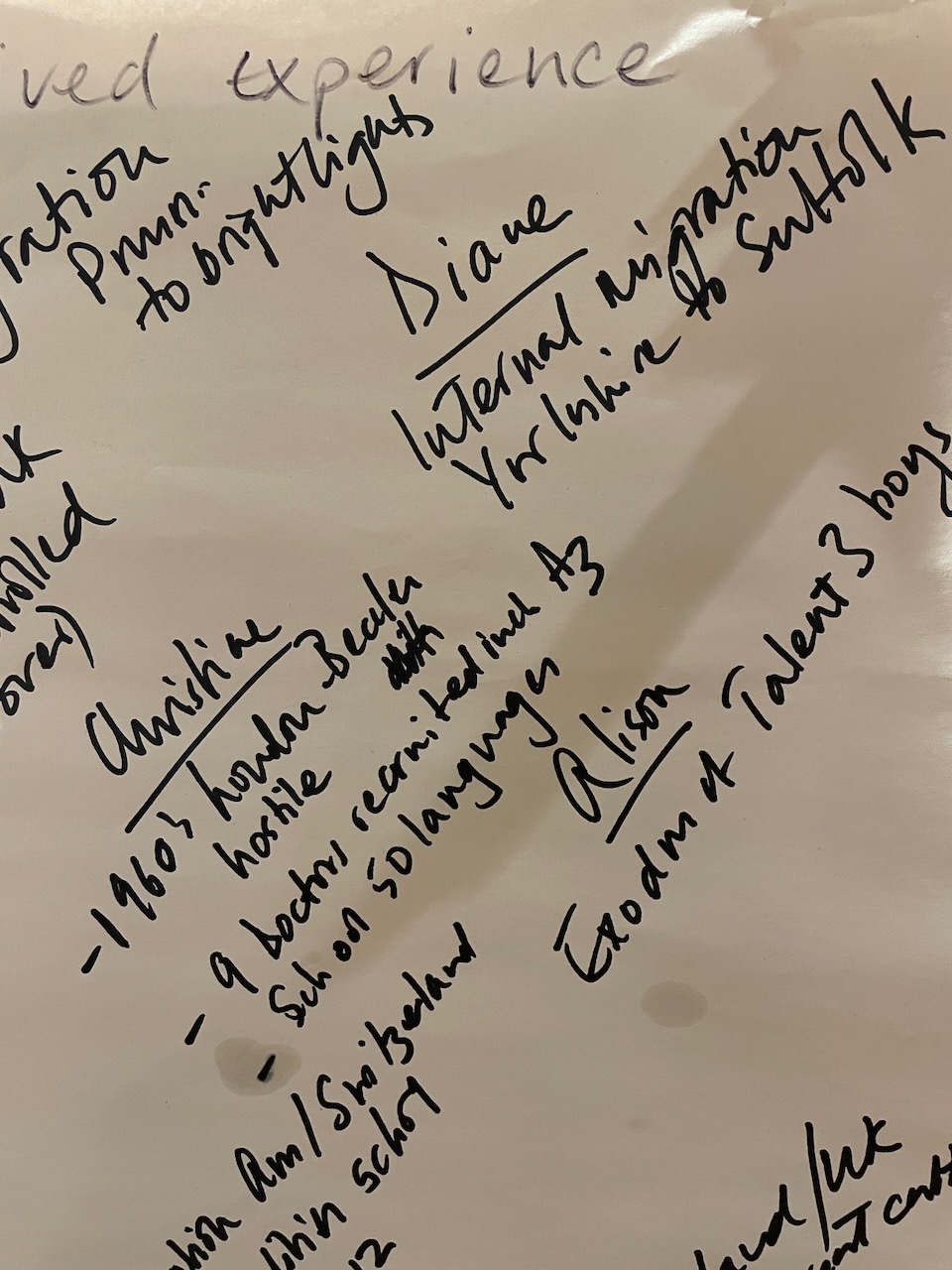
The 3 hours we had used an element of the Socratic Dialogue form, by inviting us to share our own direct experience of migration / immigration. This took a good hour with 16 fascinating and rich stories, in which sometimes surprisingly we found we all had some direct often family related experience of migration which we could relate to.
In the context of history
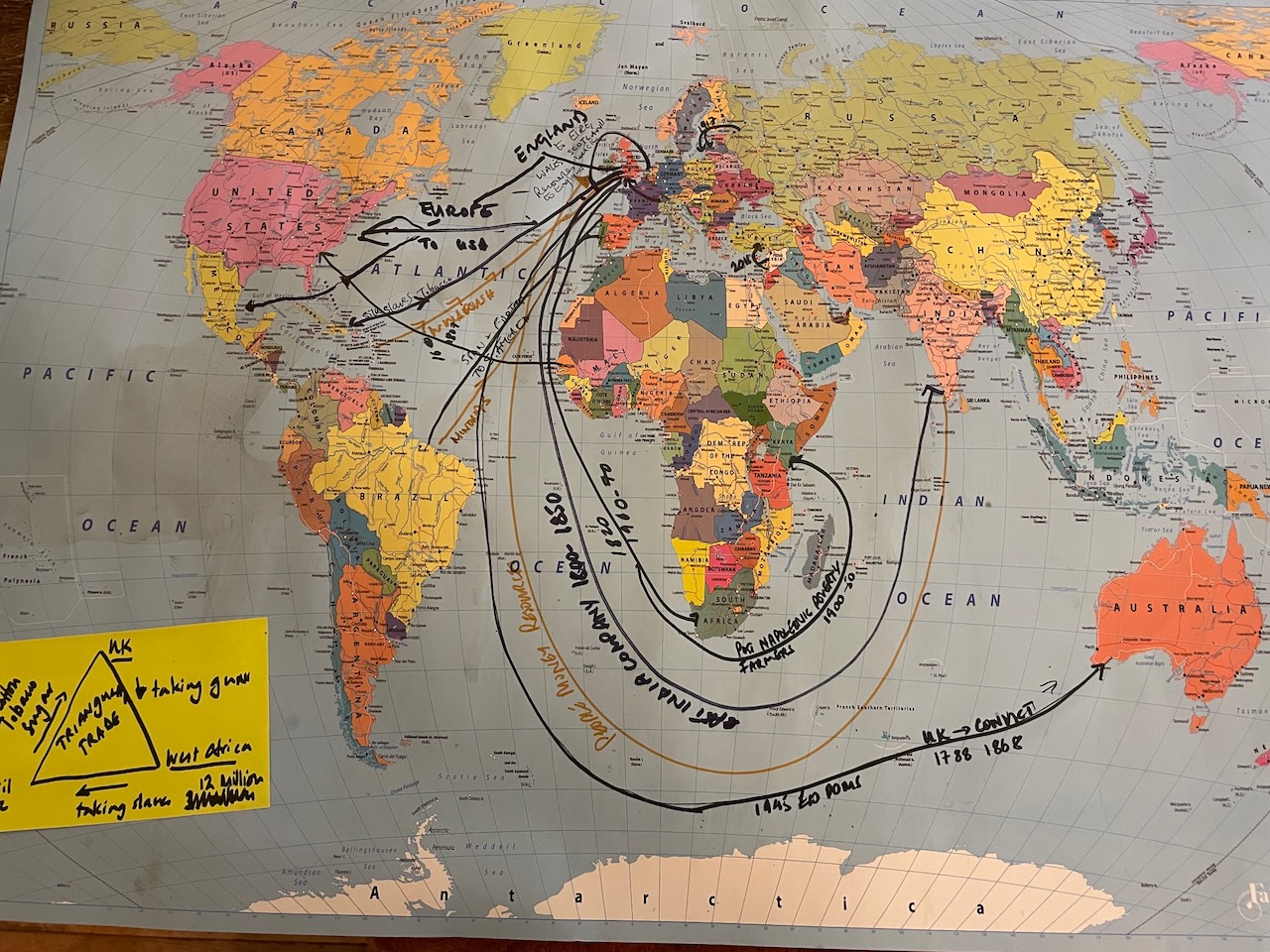
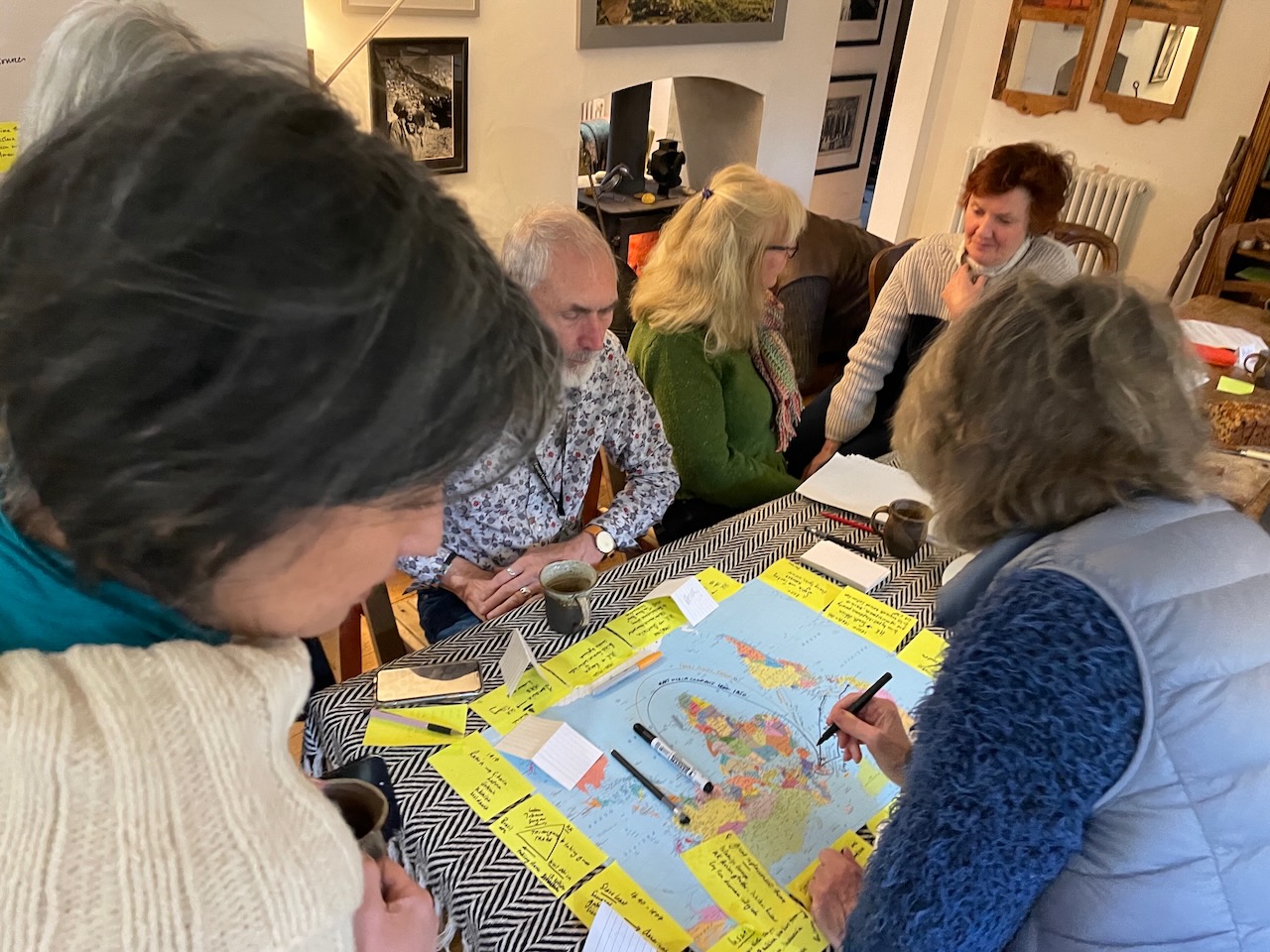
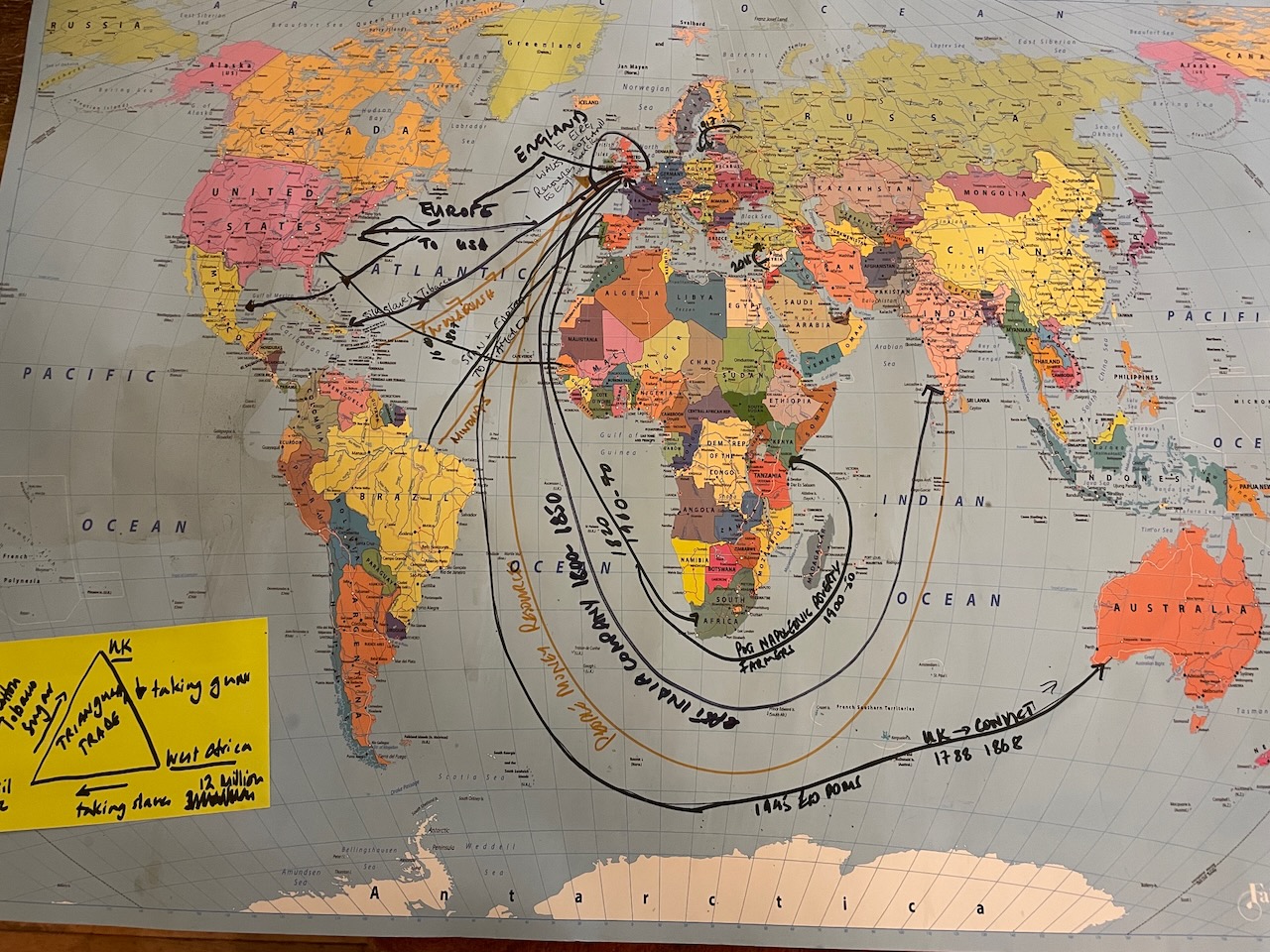
With our hive mind we recalled some historic migration, by adding routes coming and going mainly from the UK to a map the various migration routes we could recall. This illustrated that migration was part and parcel of human activity on this planet.
“To be generally in favour of or against, migration would be like being generally in favour of or against the economy, or for a geographer if she is for or against urbanisation.”
A few myths to burst:
- World migration has been historically stable at roughly 3% per year. (UK migration like others in Europe has increased – see below). Therefor 97% of us stay in our home land.
- Legal migration is by far the majority migration, in the UK roughly 92% of all migration. Small boats which get the most media coverage is less than 4%.
- Legal migration is facilitated by overt of covert invitations by host countries
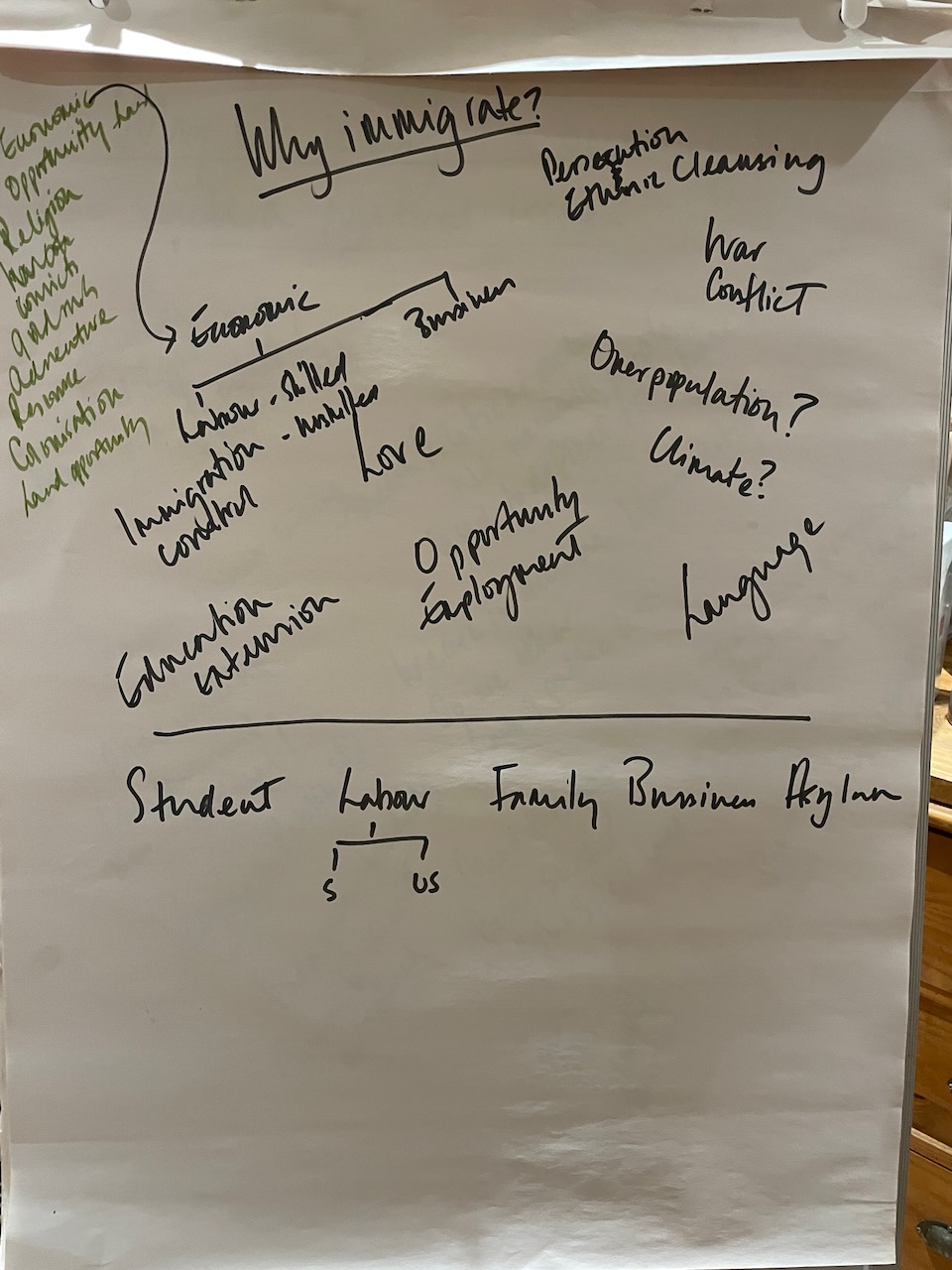
- There are a handfull of reasons why people migrate
1. Students – often encouraged by UK universities who need foreign students for income
2. Labour – skilled and unskilled
3. Family – to join a family member already migrated or finds a family while temporarily here (ie falls in love)
4. Business – for example executives who serve time abroad for business
5. Asylum – those who seek asylumm or come as refugees.
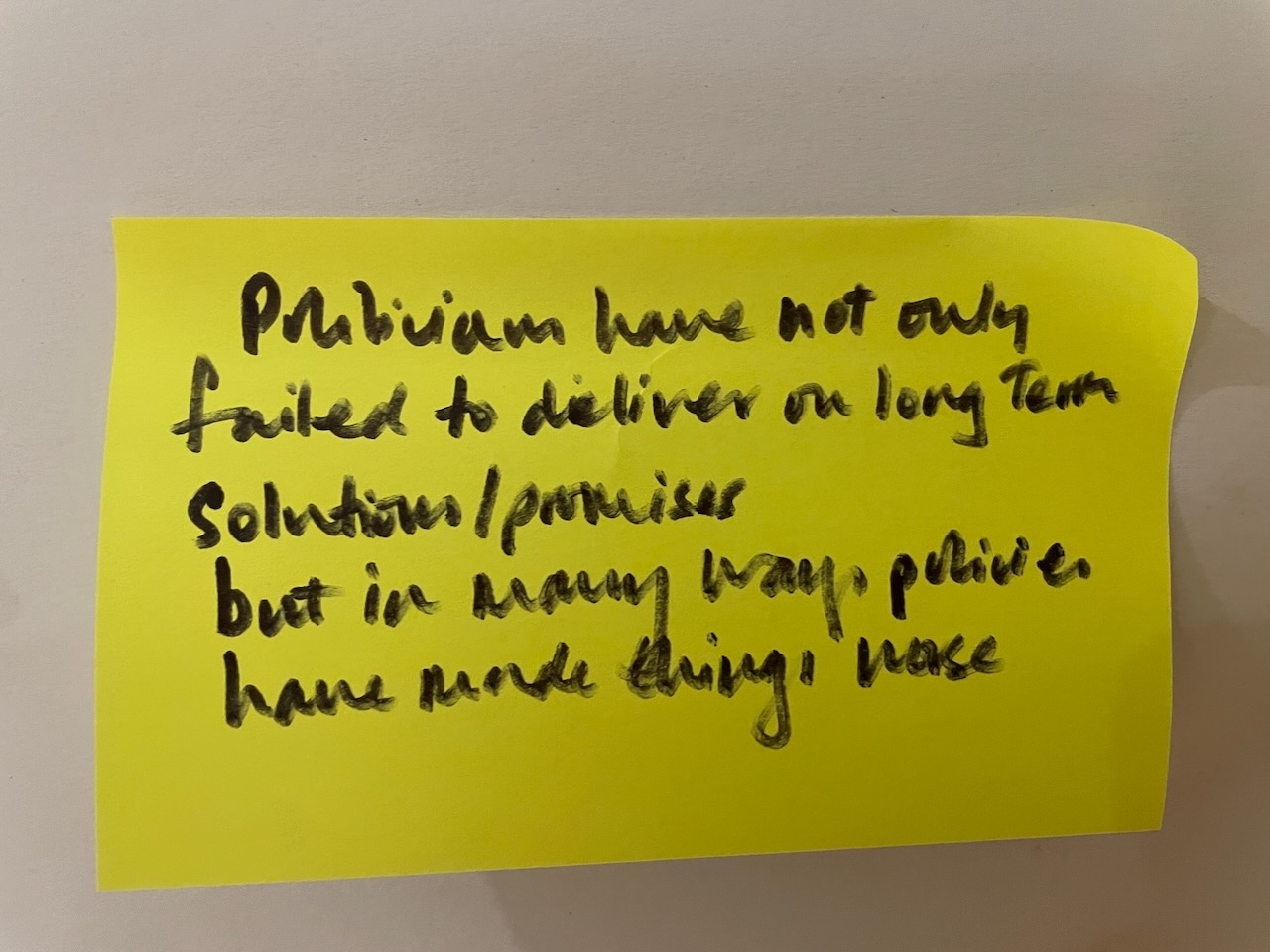
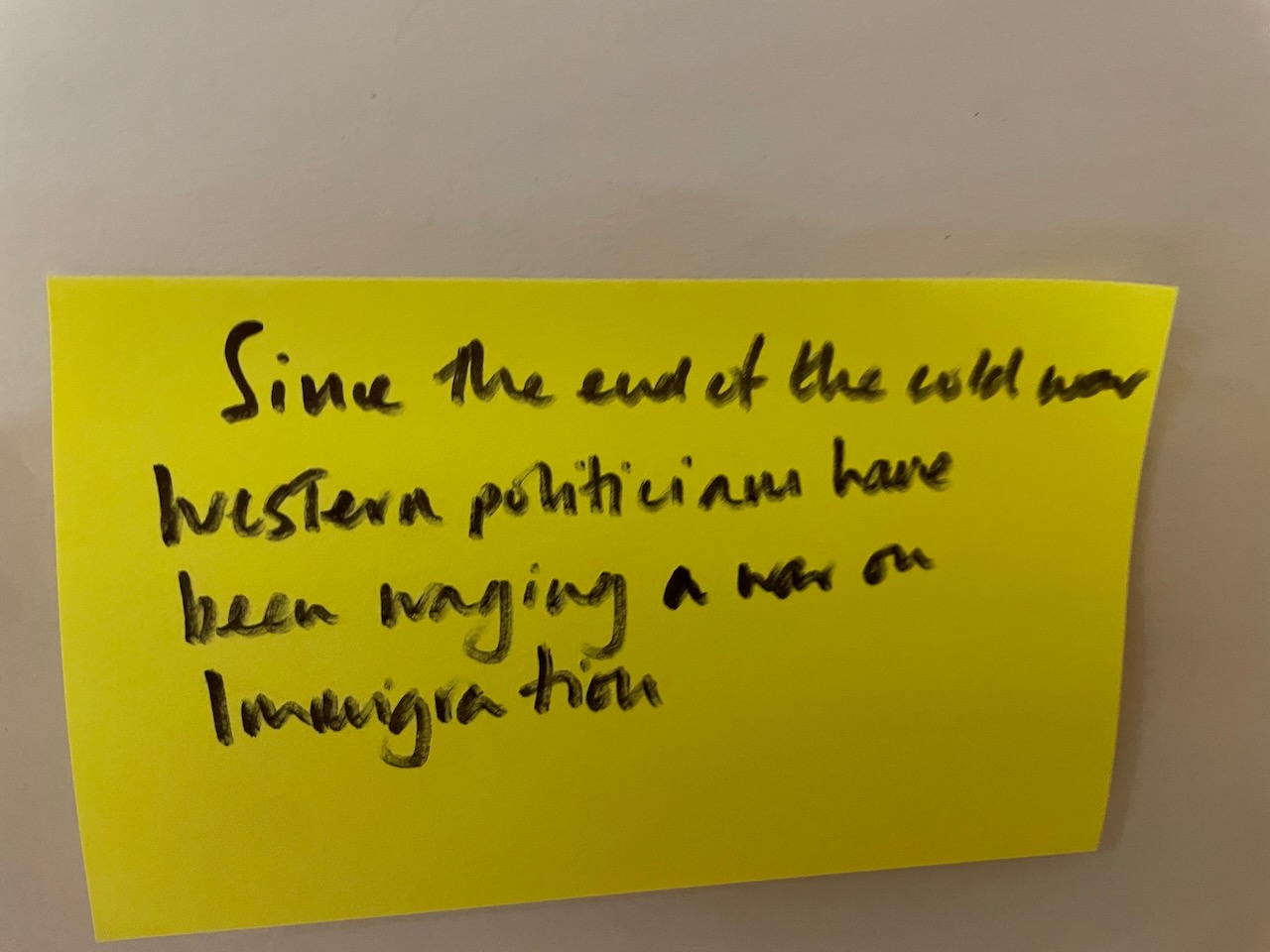
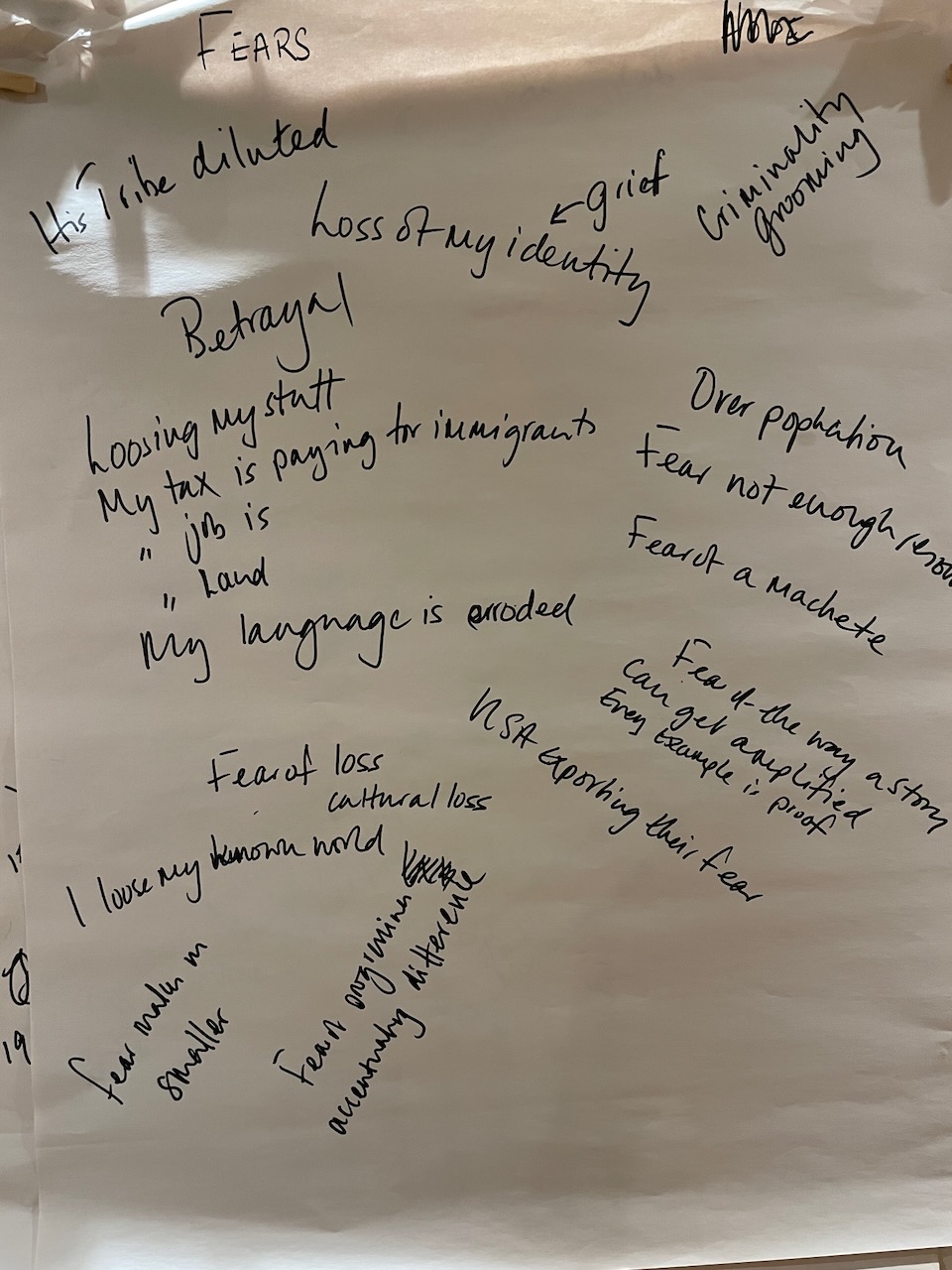
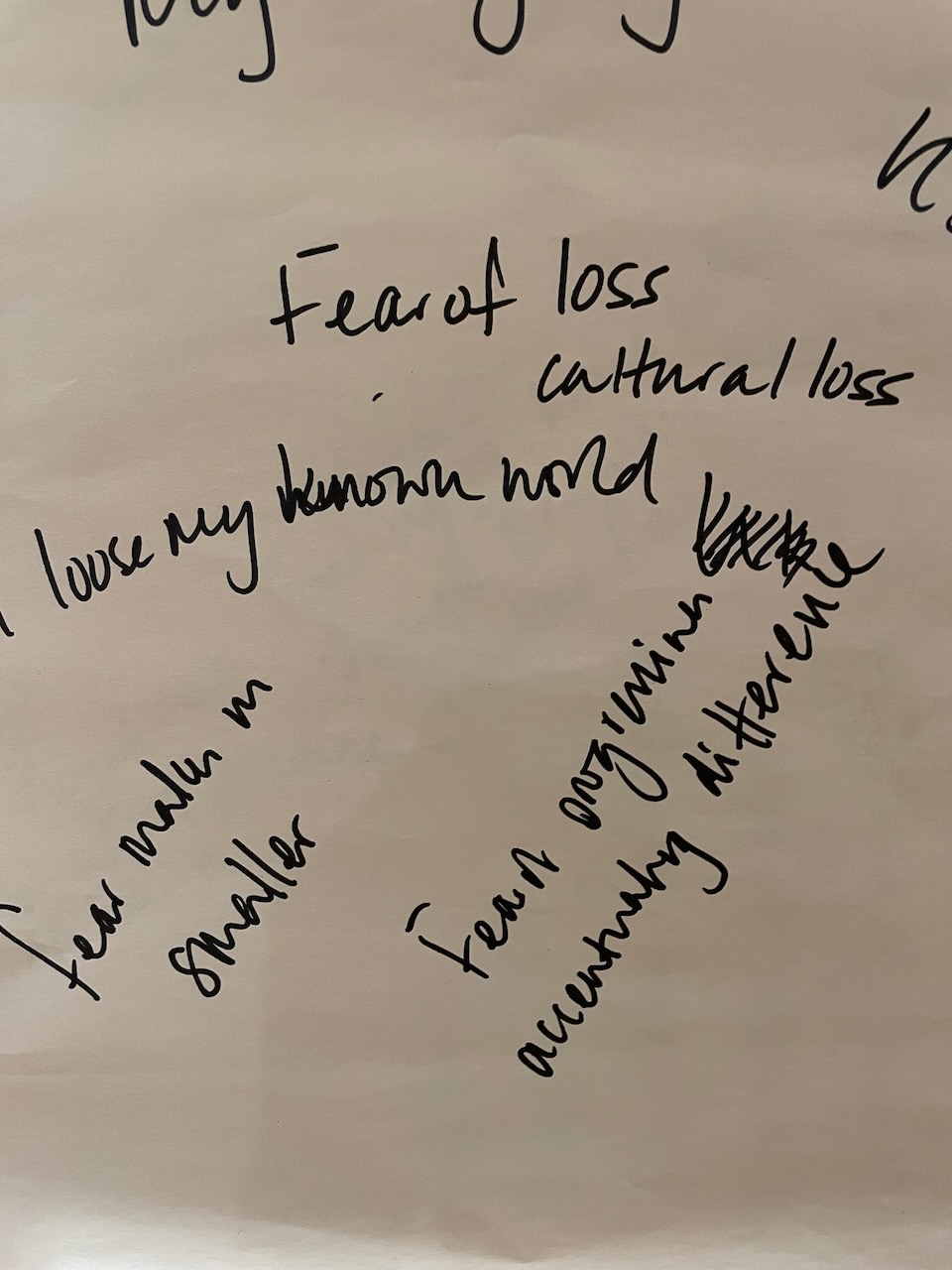
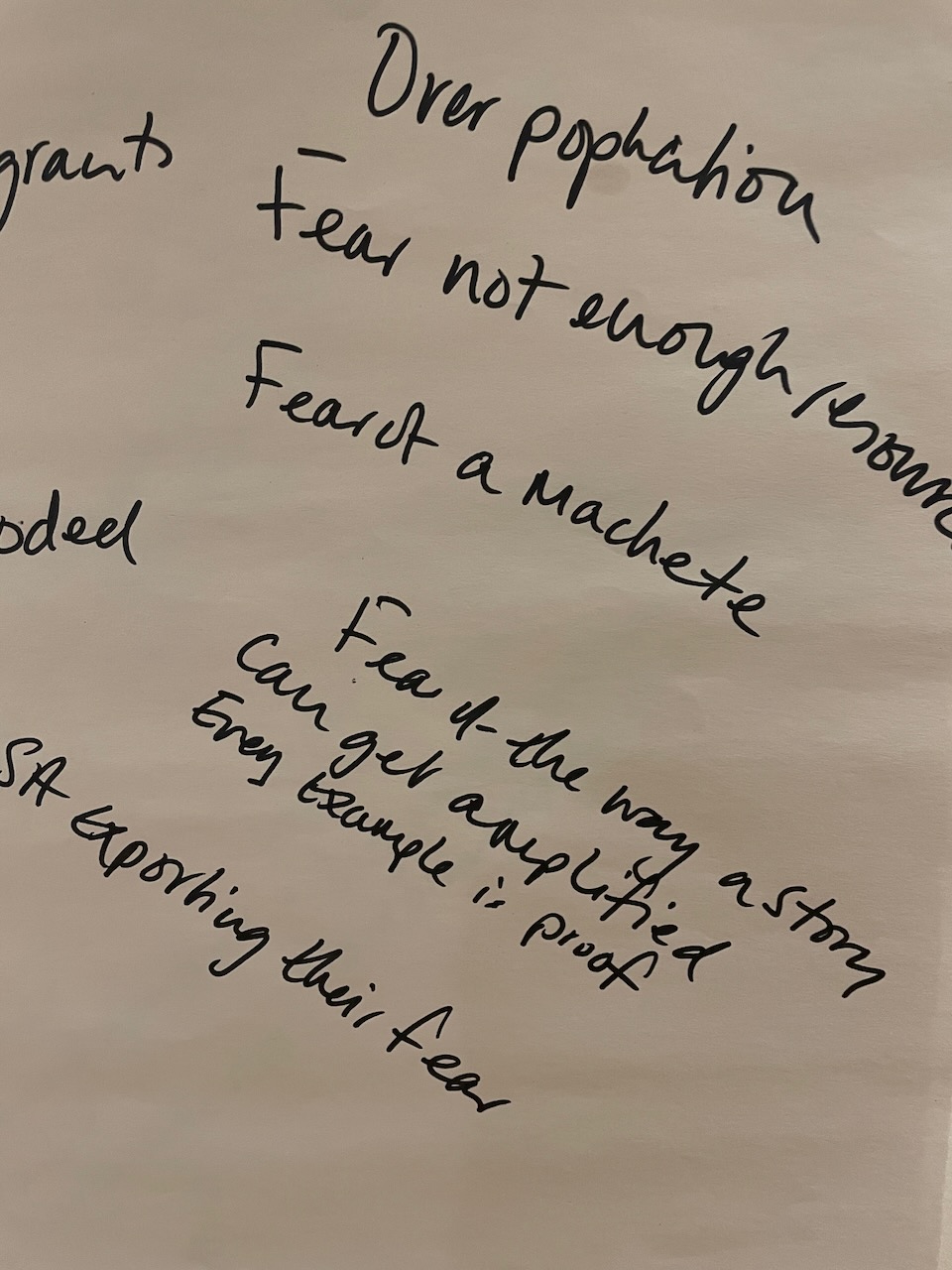
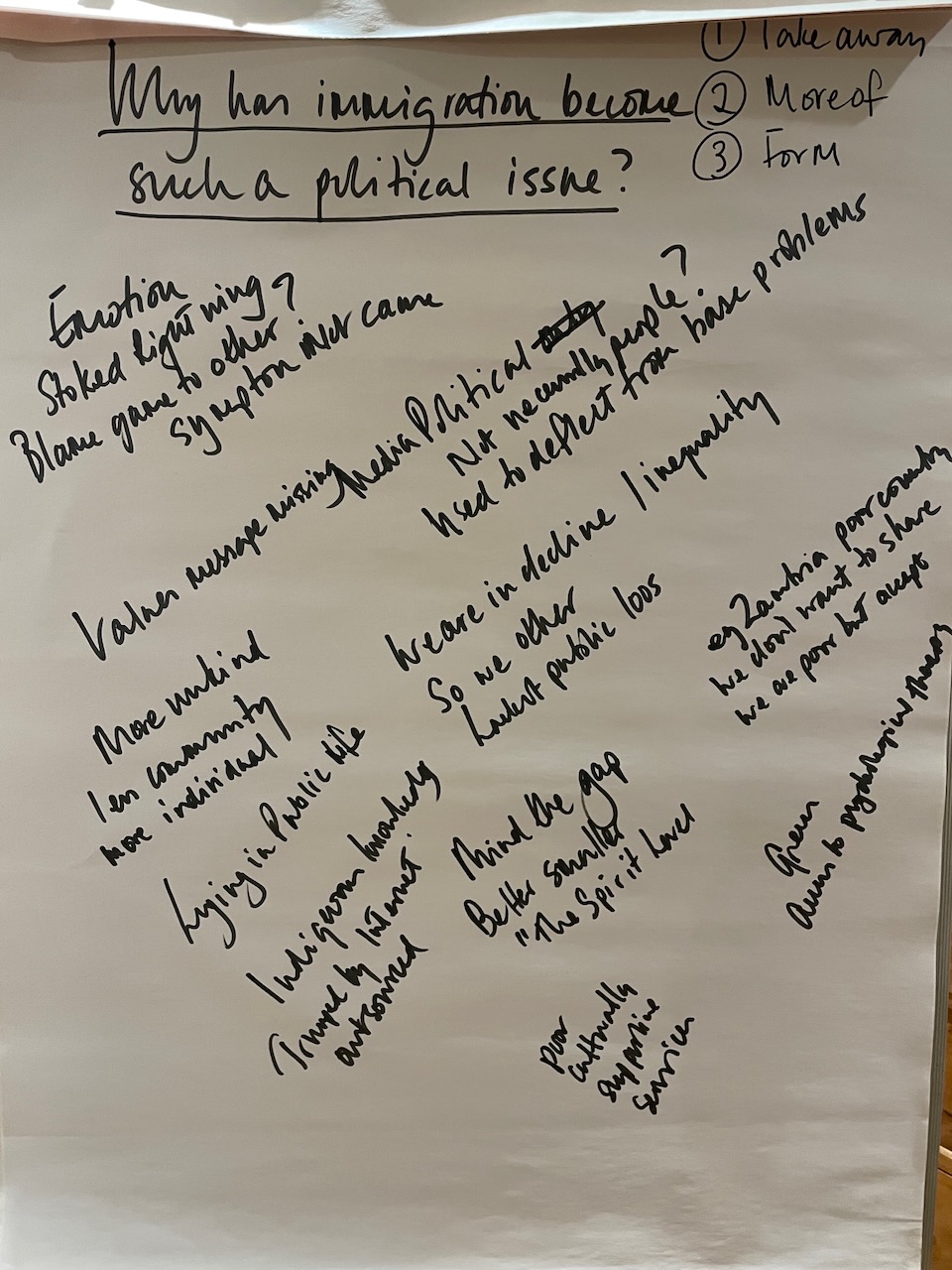
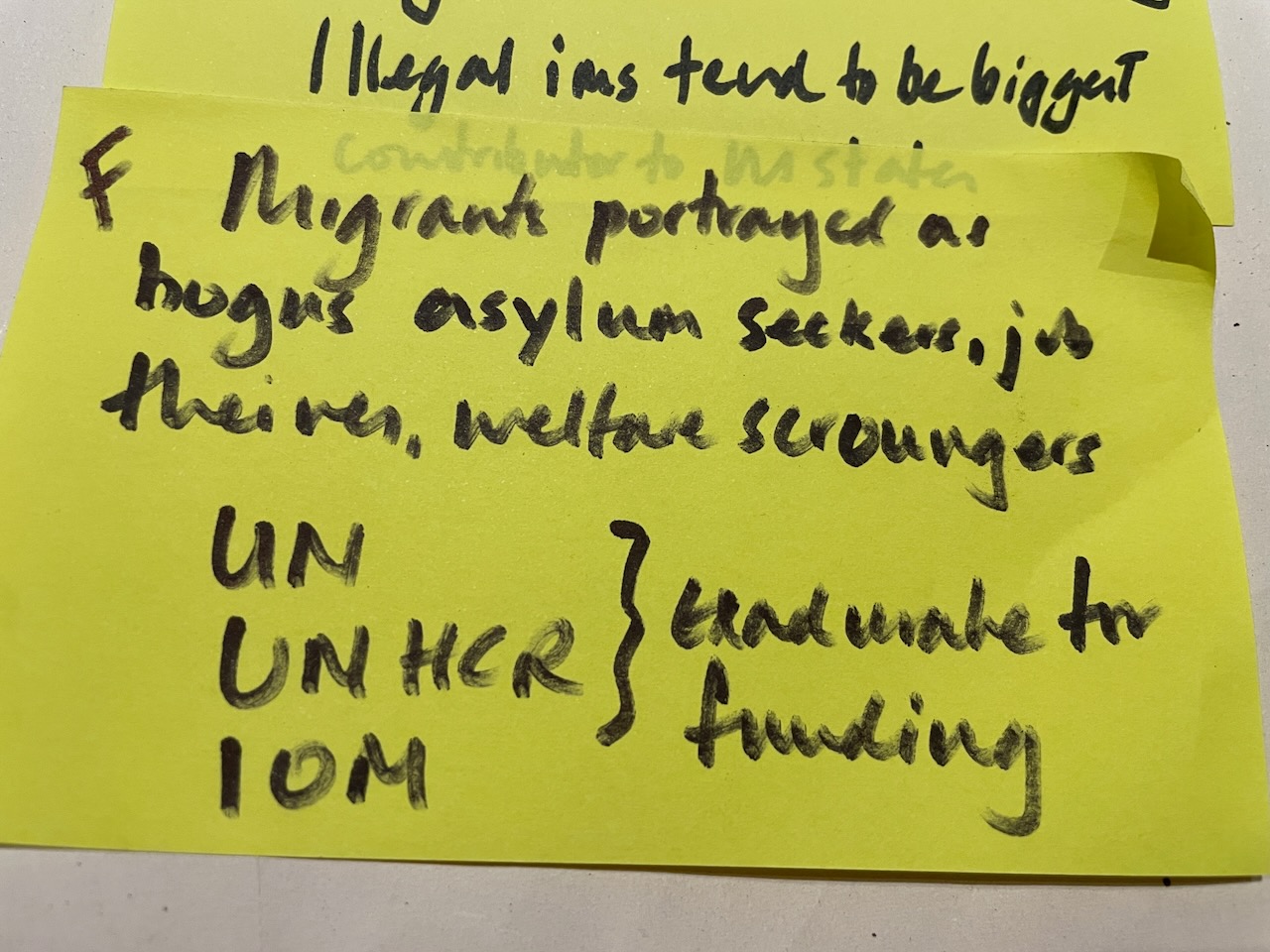
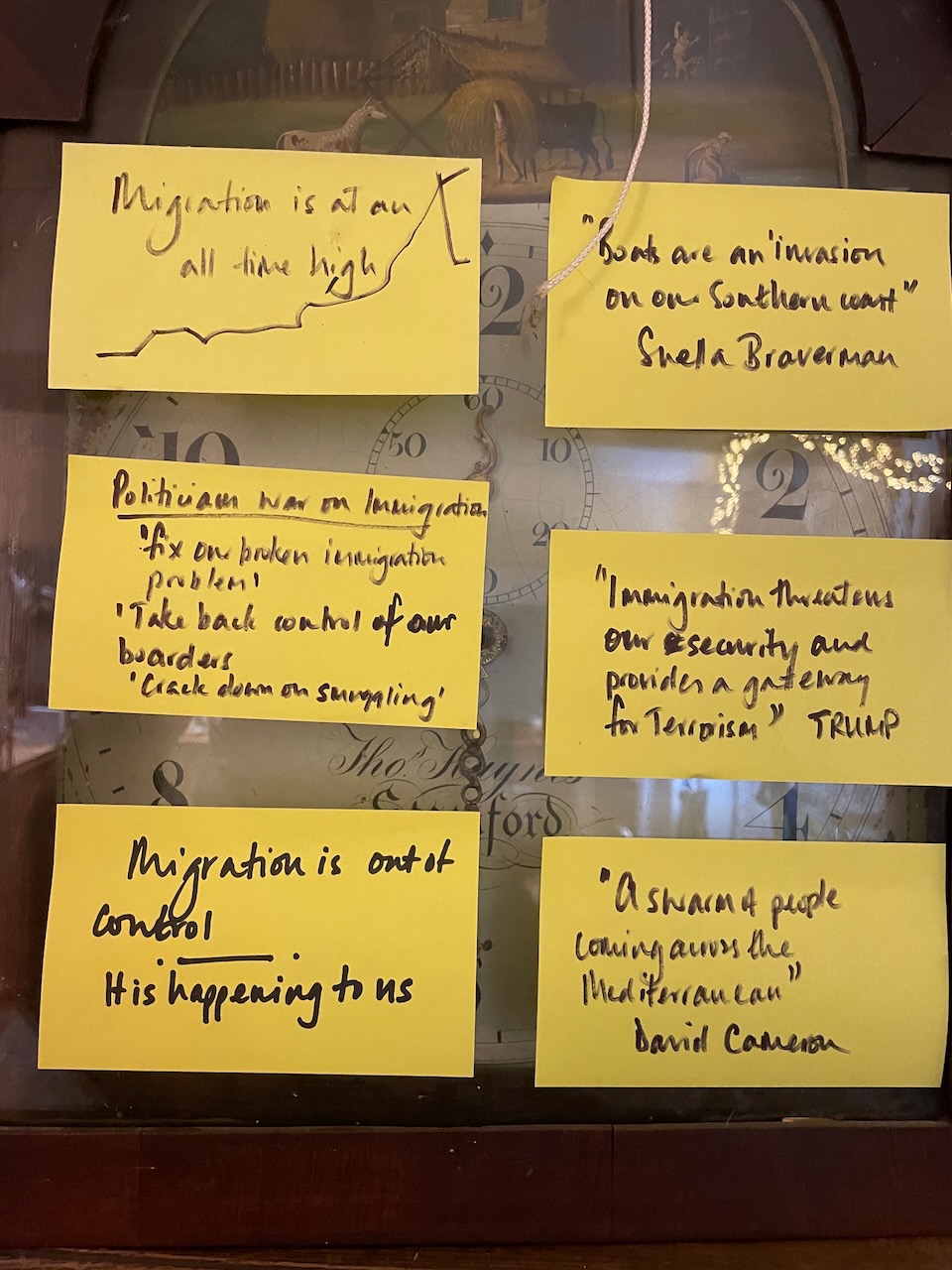
Why is immigration so politicised?
The elephant in the room question was presented by Kevin and this was the one we explored.
Robert Jenrick’s recent speech analyzed.
We never got to Green Party policy nor the view of Zack Pollanski, nor did we break into groups (my intention!) See below some of your feed back.
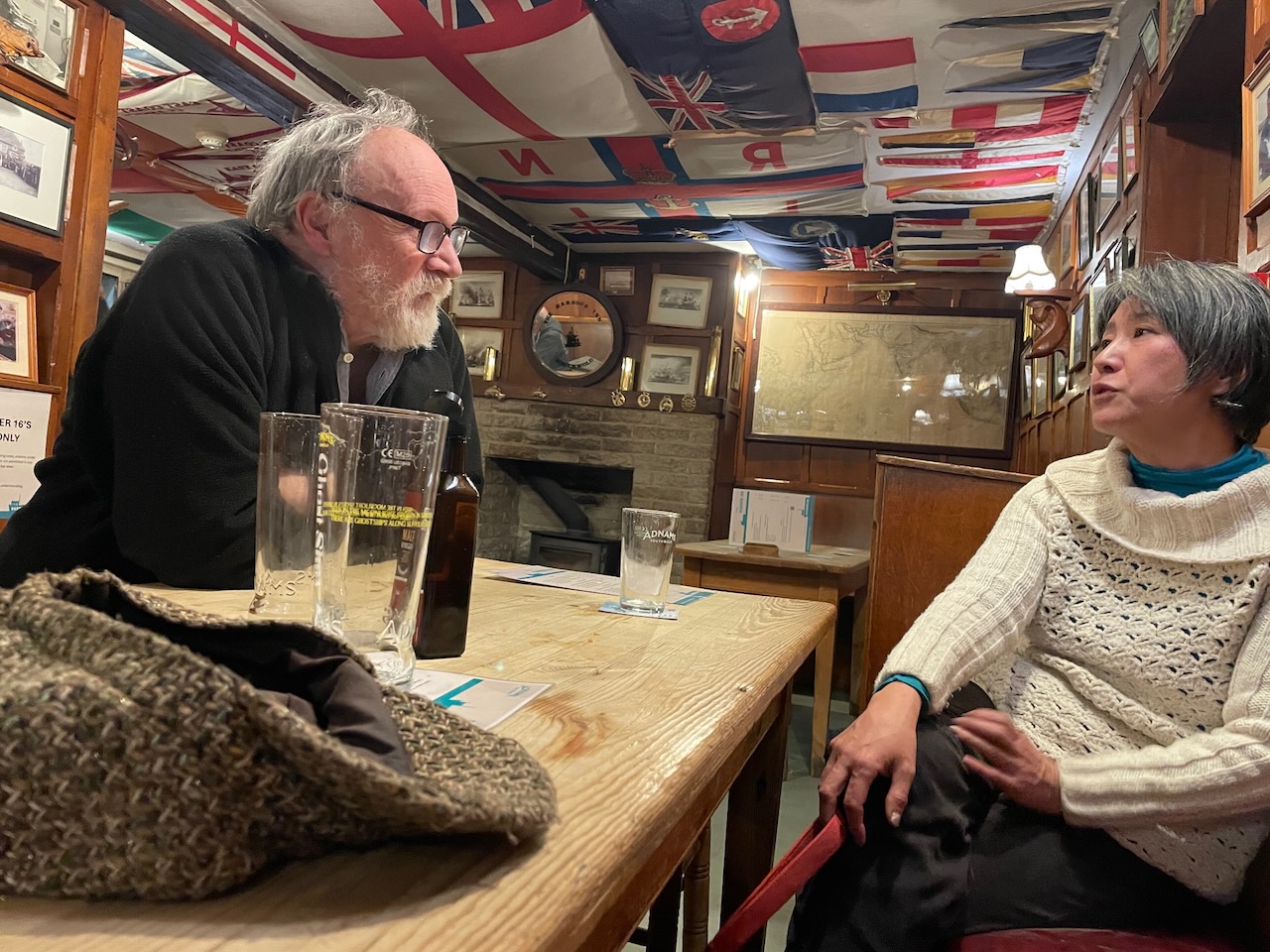
Yuka Hasegawagave, (UNHCR, stregic planning, Geneva) gave us a fascinating account of some of her experience working in Turkey with Syrian refugees and told us about importance of Lebanon which hosts a massive refugee population, around 1.5 million Syrian together with 400,000 Palestinian. It is the country with the highest refugee per capita globally (an estimated 2 million refugees in a population 5.5million), alongside a large number of other nationalities, all struggling amidst severe economic crises.
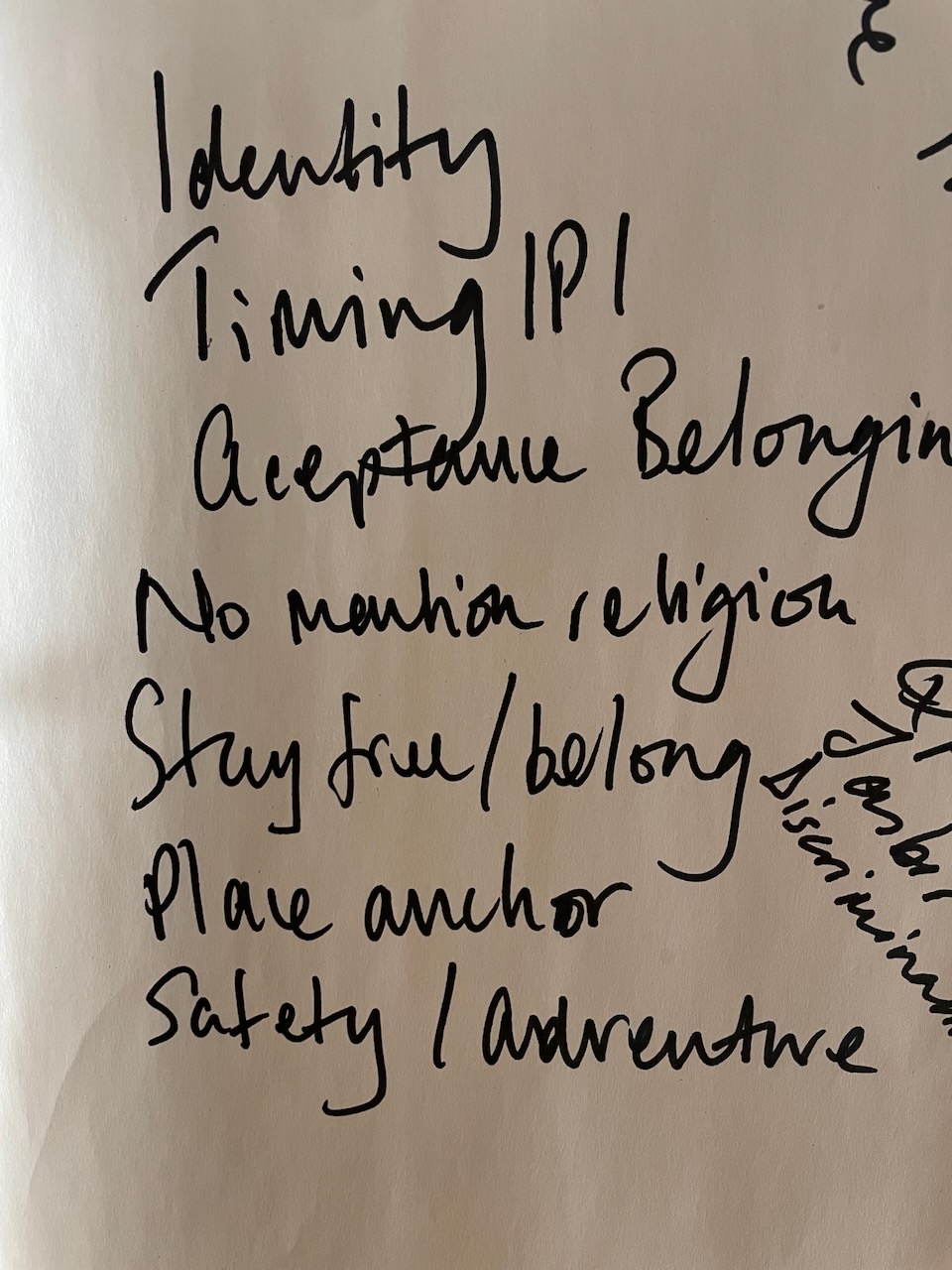
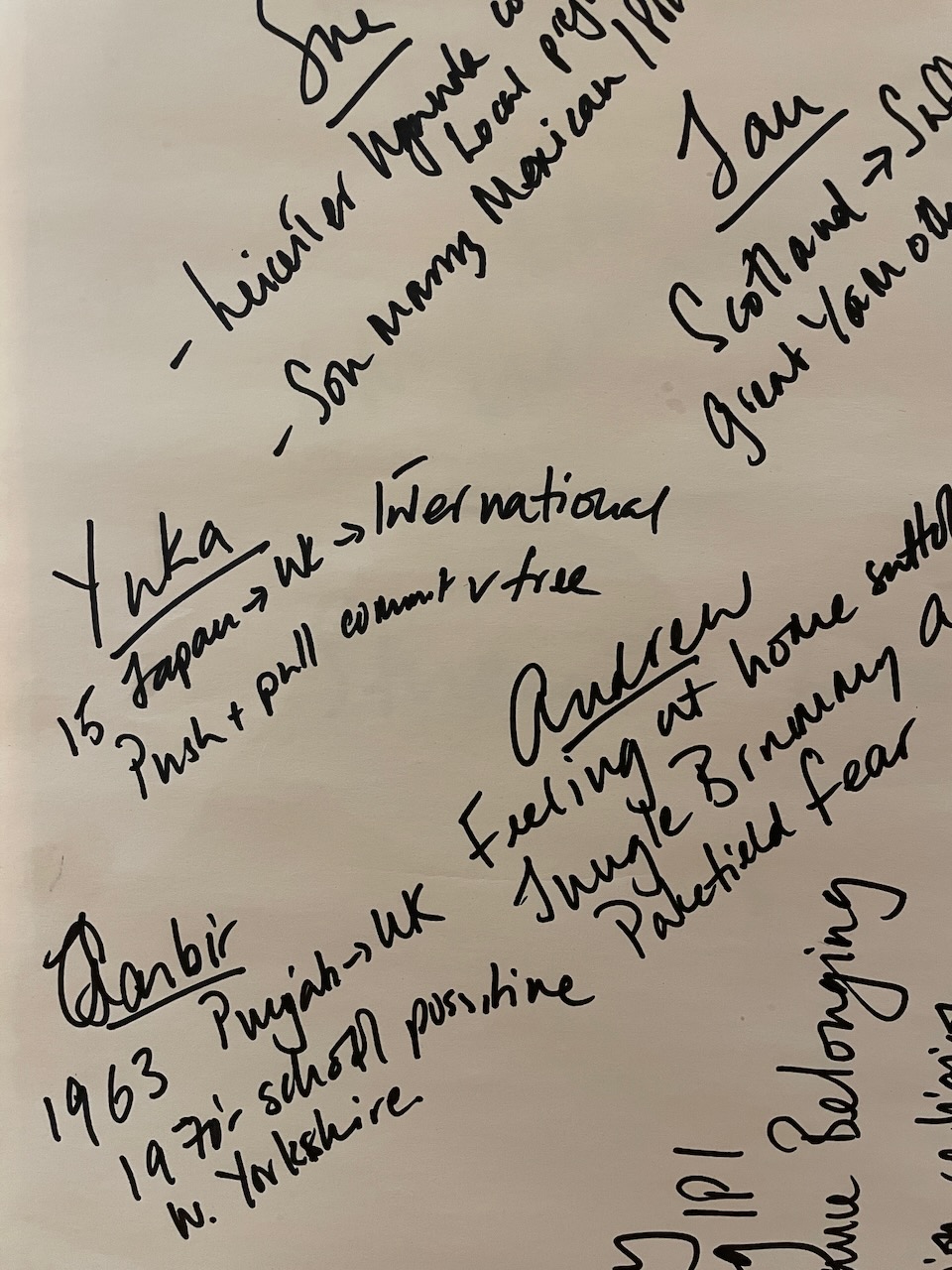
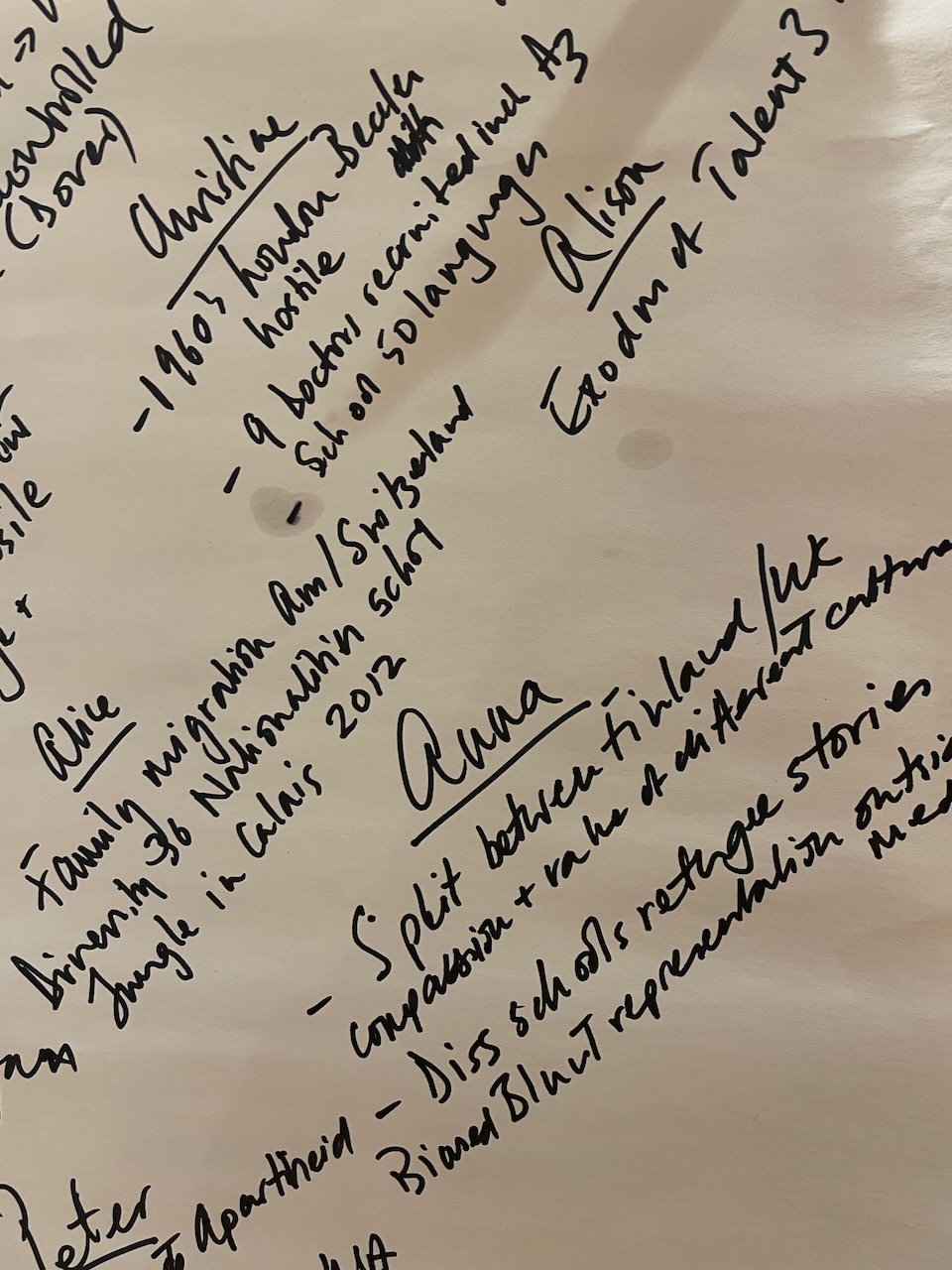
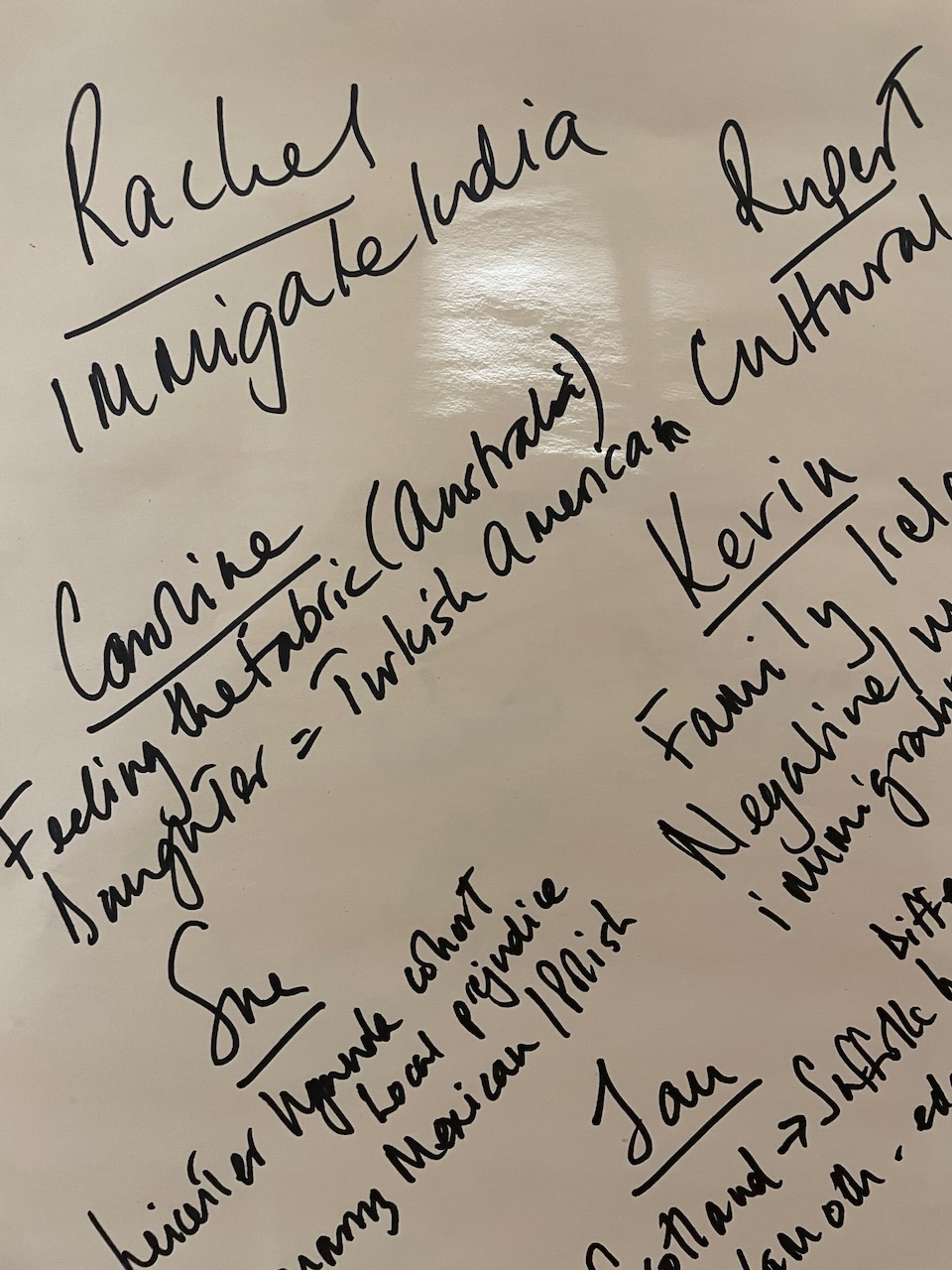
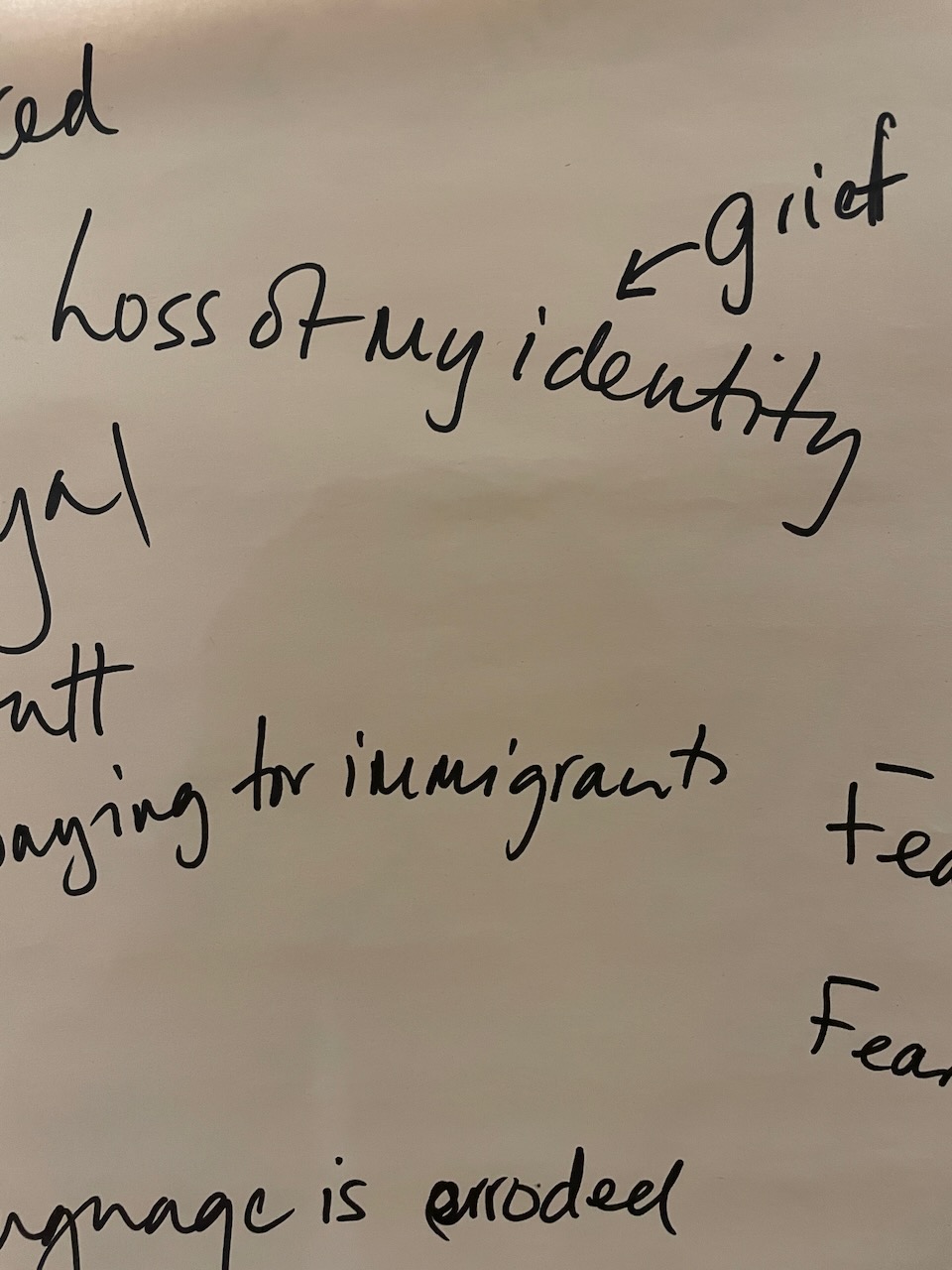
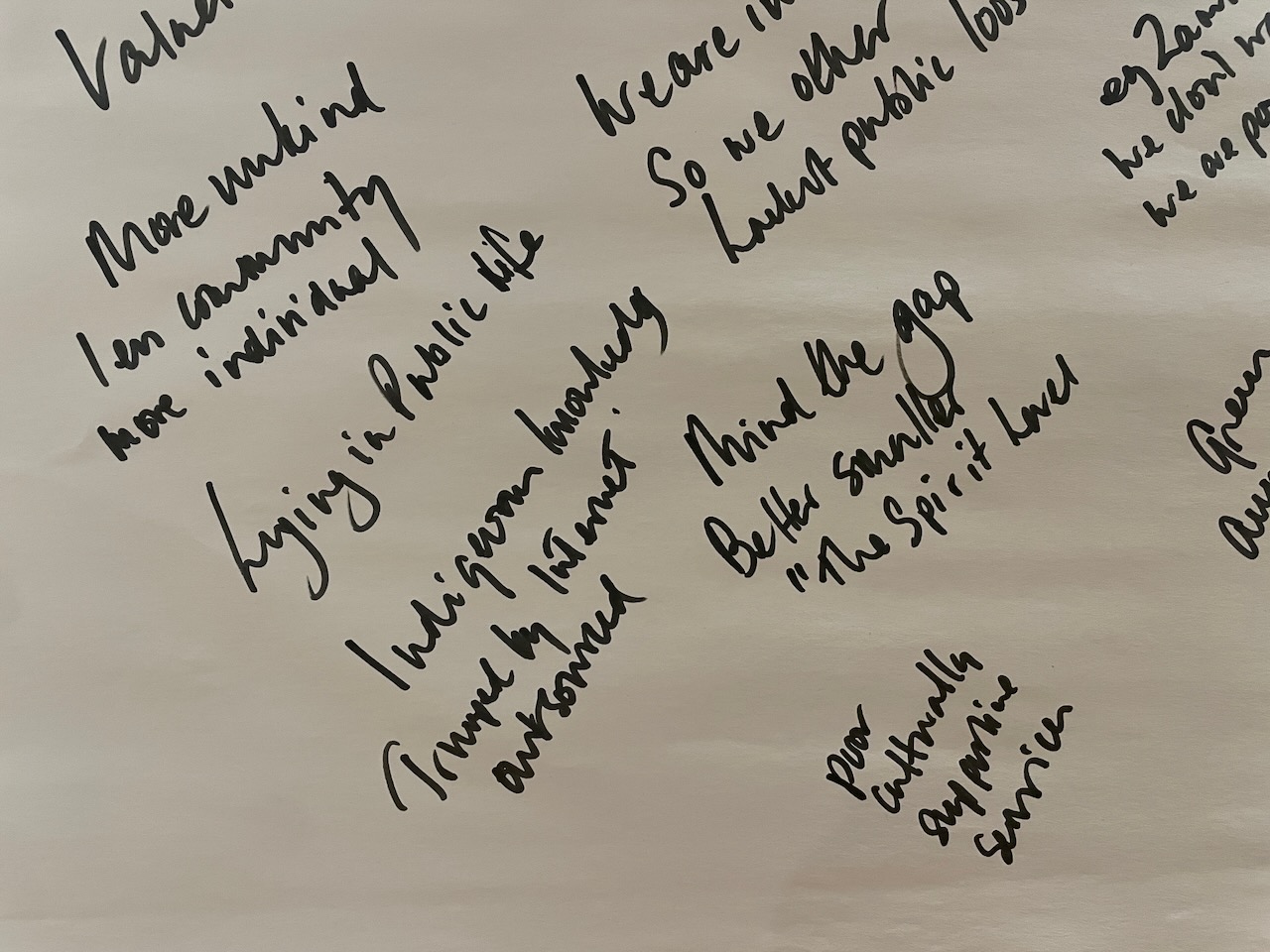
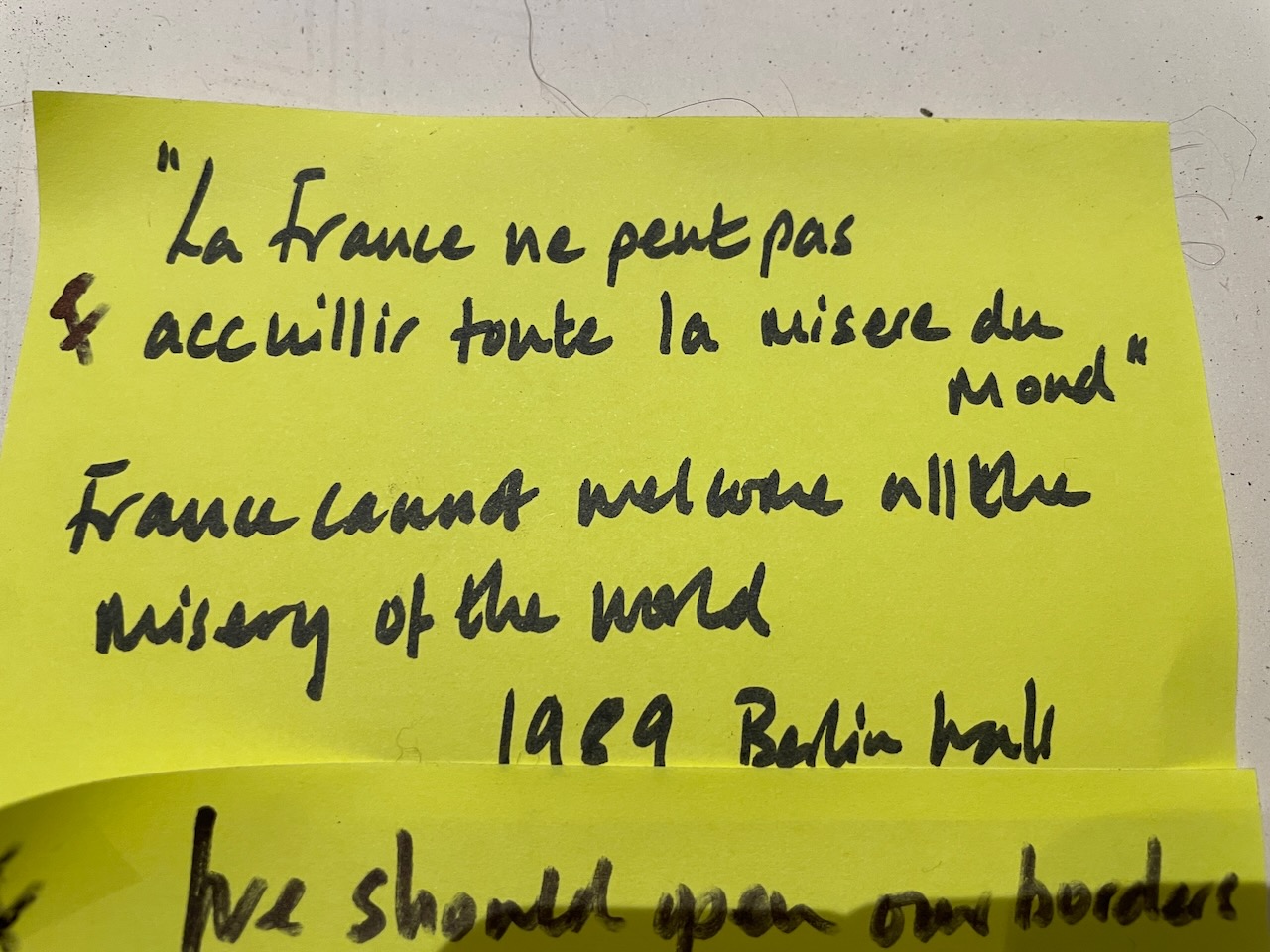
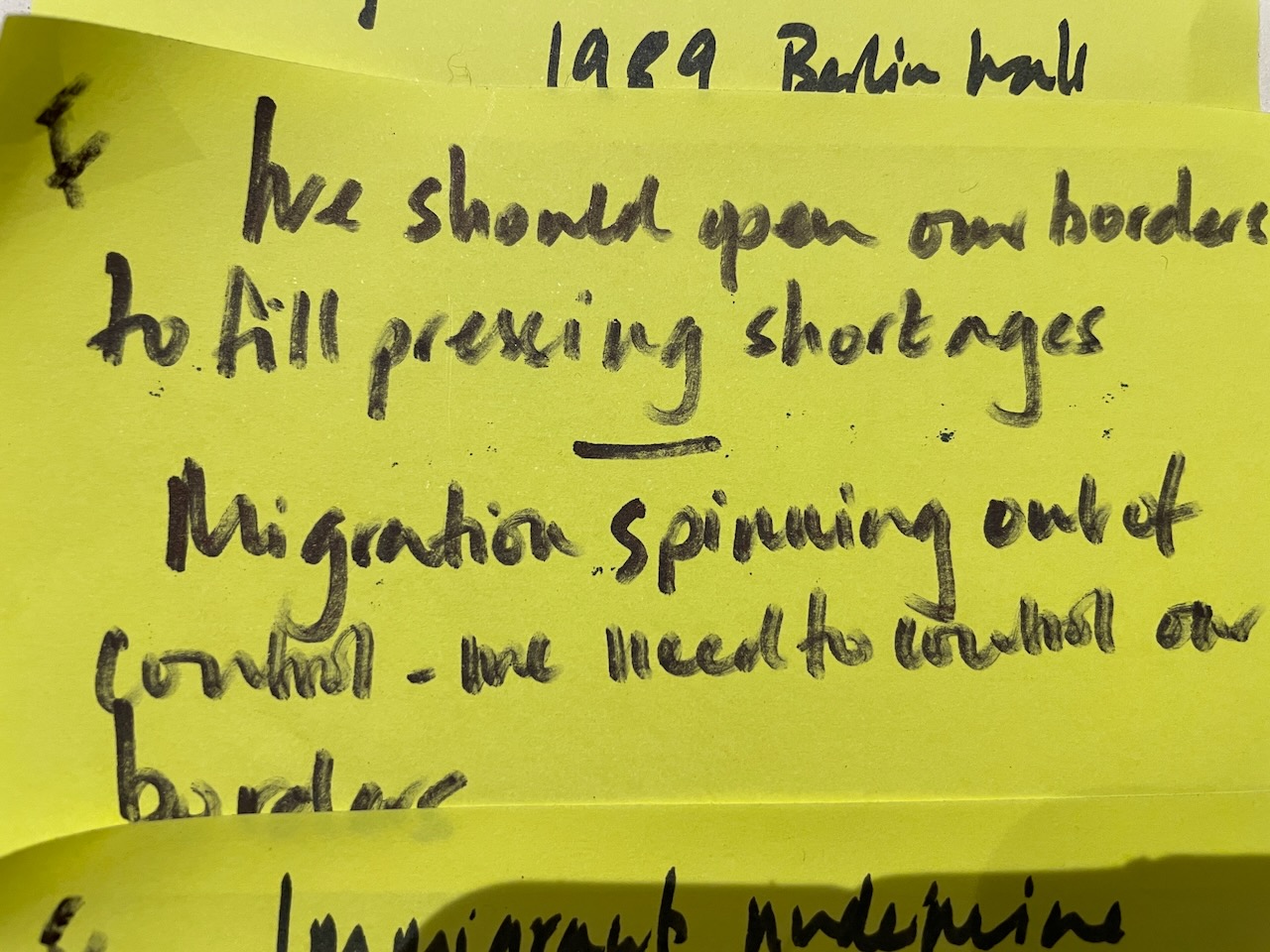
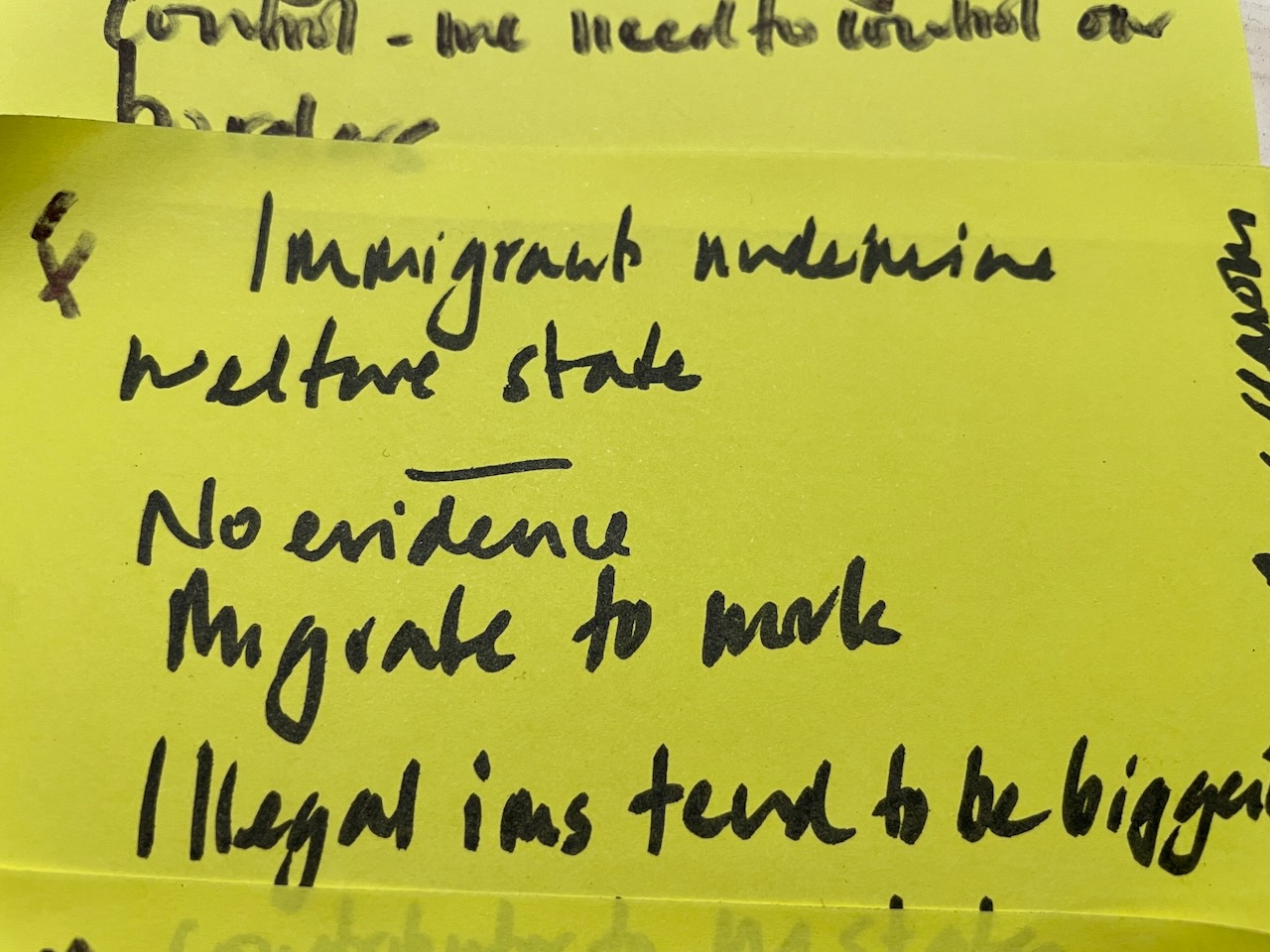
Feedback
What I’ve learned:
– Diversity of participants
– What is going on in Lebanon
– Widened my view
– Breadth and nuances of immigration
– Complexity of issue
– The bit between fact and feelings
– Recent developments in Syria
– Place is not connected to identify for everyone
What I would like to follow up/explore more?
– A zoom with Yuka
– Policy esp Green policy
– border immigration policies
– Would like to discuss with people who are anti refugees
– How we can engage with people on this issue
– More Green policies
– Can we influence Green party policies
– More deep exploration
– Pre occupation of immigrants
How did the form work?
– Socratic method was new to me, and a very good philosophy
– too short of time, would have liked Green Party policy
– Enjoyed the map work
– Like the form
– Liked the shared experiences, (although it took a long time) the map
– Worked well. Would have liked small groups
– Break into smaller groups to explore questions
– Too long on introductions – distracted from debate
Linked references
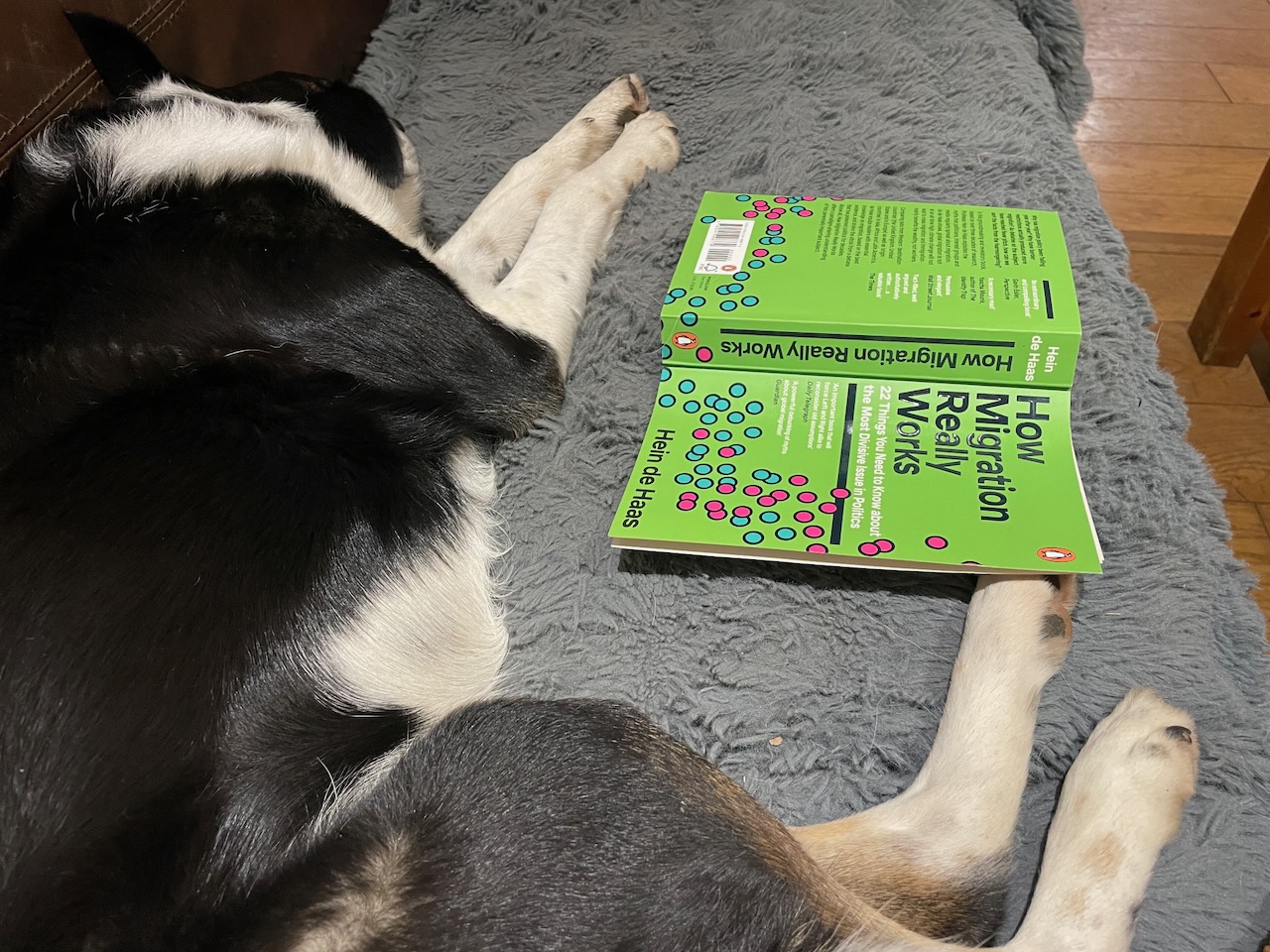
Below are some links sent out prior to our meeting and here are my notes based on reading How Migration really works, by Hein de Haas recommended by Yuka
Radio 4 More or Less – The stats of the nation, immigration
Refugee Council – Top facts from the latest statistics on refugees and people seeking asylum
Ellon Musk speaking at London Immigration rally
Guardian’s policy editor, Kiran Stacey, looks at the real figures on immigration in Britain
How migration really works with HEIN DE HAAS (August 2024)
Thanks for this Ann HOME
Sky news, good summary data about the UK.
I am just weary of the emotive language (massive growth). “We have never seen anything like this. It is flabbergasting. Unprecedentedly high number.”.
We Came By Sea by Horation Clare, 2025
(from Halesworth book shop, recommended by Christine.
Green Party Immigration policy –
Zack Polanski on immigration – advocates for a “humanitarian,” pro-migration approach, emphasizing that migration is a positive, necessary force rather than the cause of UK public service failings. He supports safe, managed routes for asylum seekers and views ending EU free movement as a “disaster”.

 Kalikellett
The birds. I think the thing I am most indignant about with immigration, is a new flock of people who do not feed the old flock of people, or even see them? And who are the old flock of people? The birds, the wildlife. Nature is an intrinsic part of my identity and it grates with me when people have no conception of Our ecology. The importance to a child of even seeing a hedgehog, and just who does feed the birds if the sign now says it is littering to do so? And whose rules is it that we can’t? $0.02 C