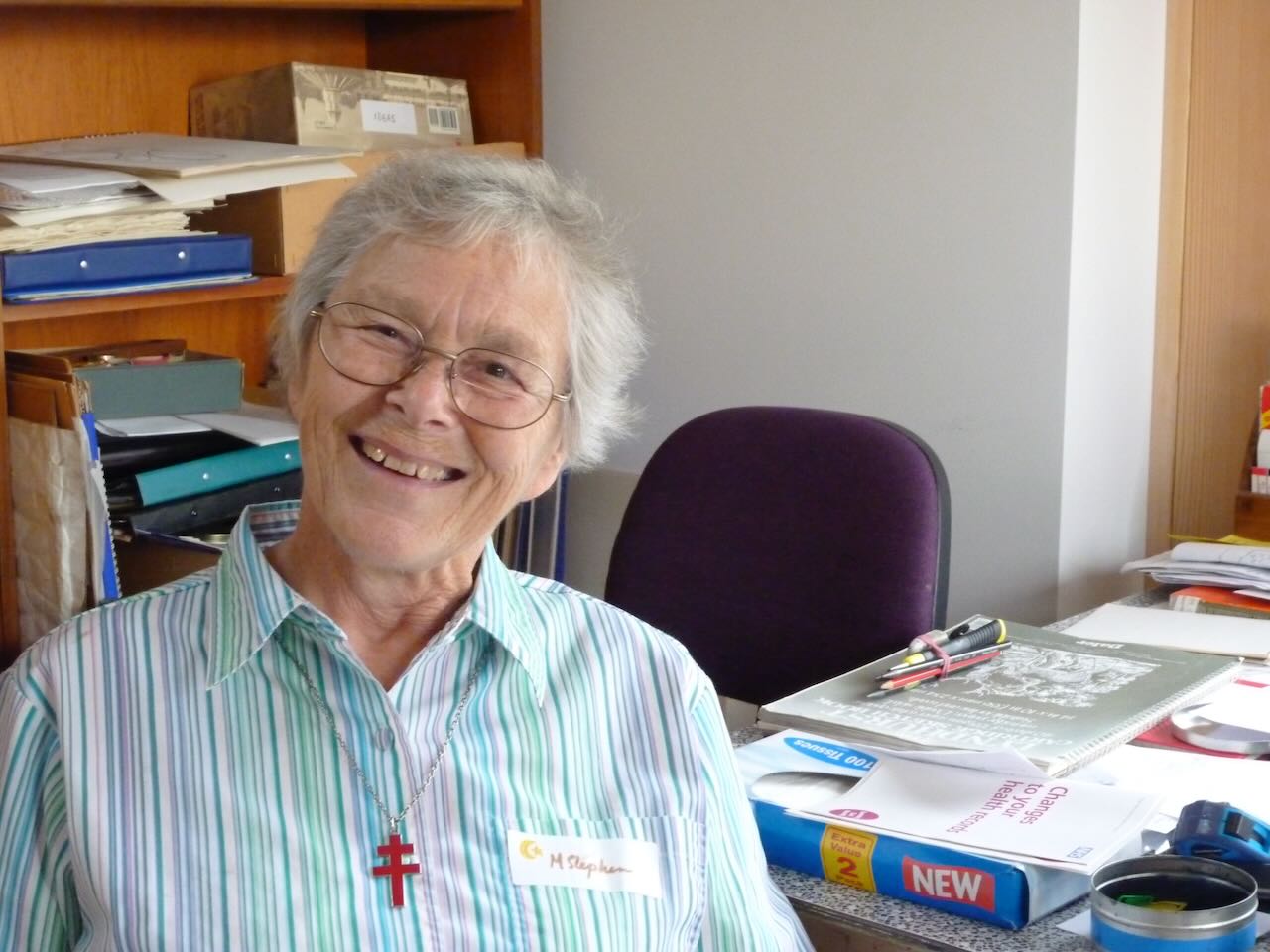
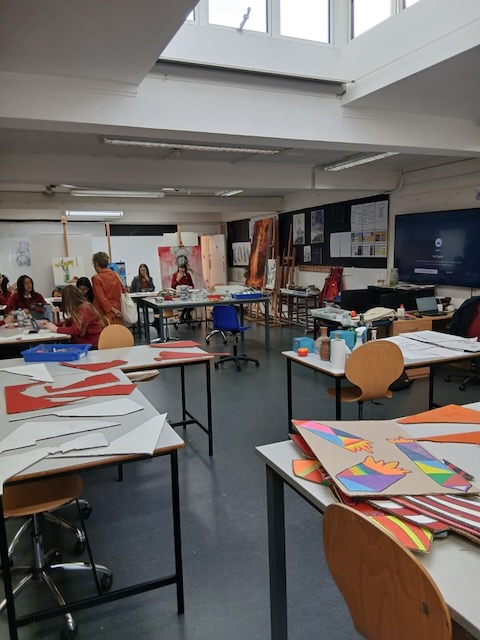
I weep, I wrote on the service sheet, I weep for the lost life, for the time gone, and that realisation of never being able to see that human being again. The transitory and finite nature of life and death. At over 90, she was always there in the Community, just as she was always there in the art room at the top of the stairs, when I was 10 and loved art. She was the one who, at 90 was completely with it, not fay, not deaf, but clear and inquisitive, still creative. As I turn at this stage in my life, turn to return to that which I began to love with her, to draw, create paint, sculpt, as I return to this, so she dies. I can not share with her the hornbeam tree I have just drawn. It was she, I realise who introduced me to the freedom of randomness. What a huge world she opened up. See what shape you can see and then make something of it, she’d say. She introduced me the texture of clay, as I made my first hippopotamus, a beast I had never seen, but that didn’t matter. The ballerina (with legs as long as I longed for) in clay polished with shoe polish created to be a book case end. Mobiles of crazy shapes and physics of balance. She opened up the world of possibilities.
Her name was Sister Mary Stephen, her family Grindon-Welch. One, a niece perhaps, Julia GW was in my class, and now works for the UN in New York. I realised for the first time during the mass how most of the nuns took names of men, Francis, John, James, Dismus, Stephen, Mark, and how they were quite manly in their way, anyhow certainly not feminine. Stephen no exception. I see they took one of my photographs for the announcement.
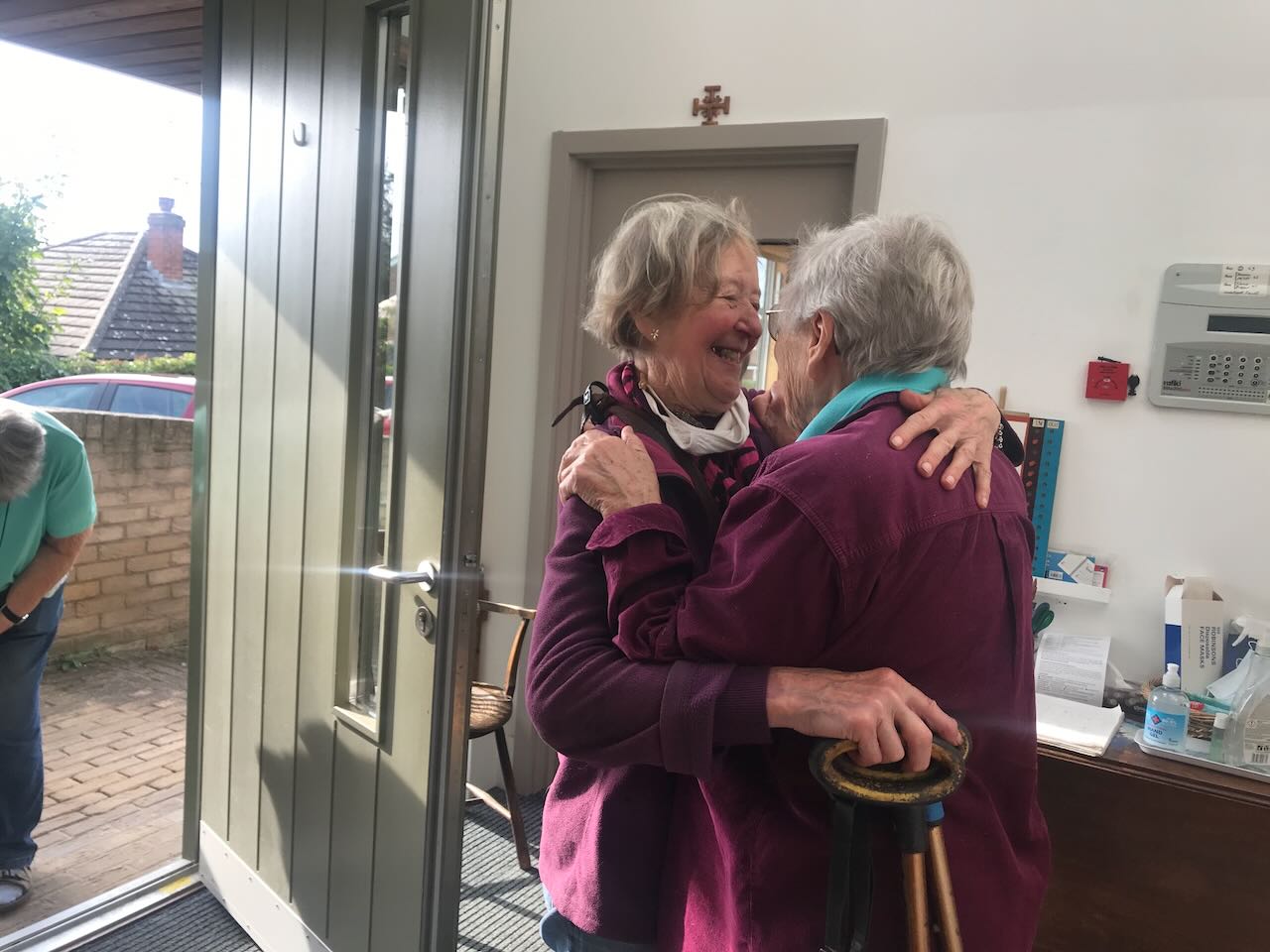
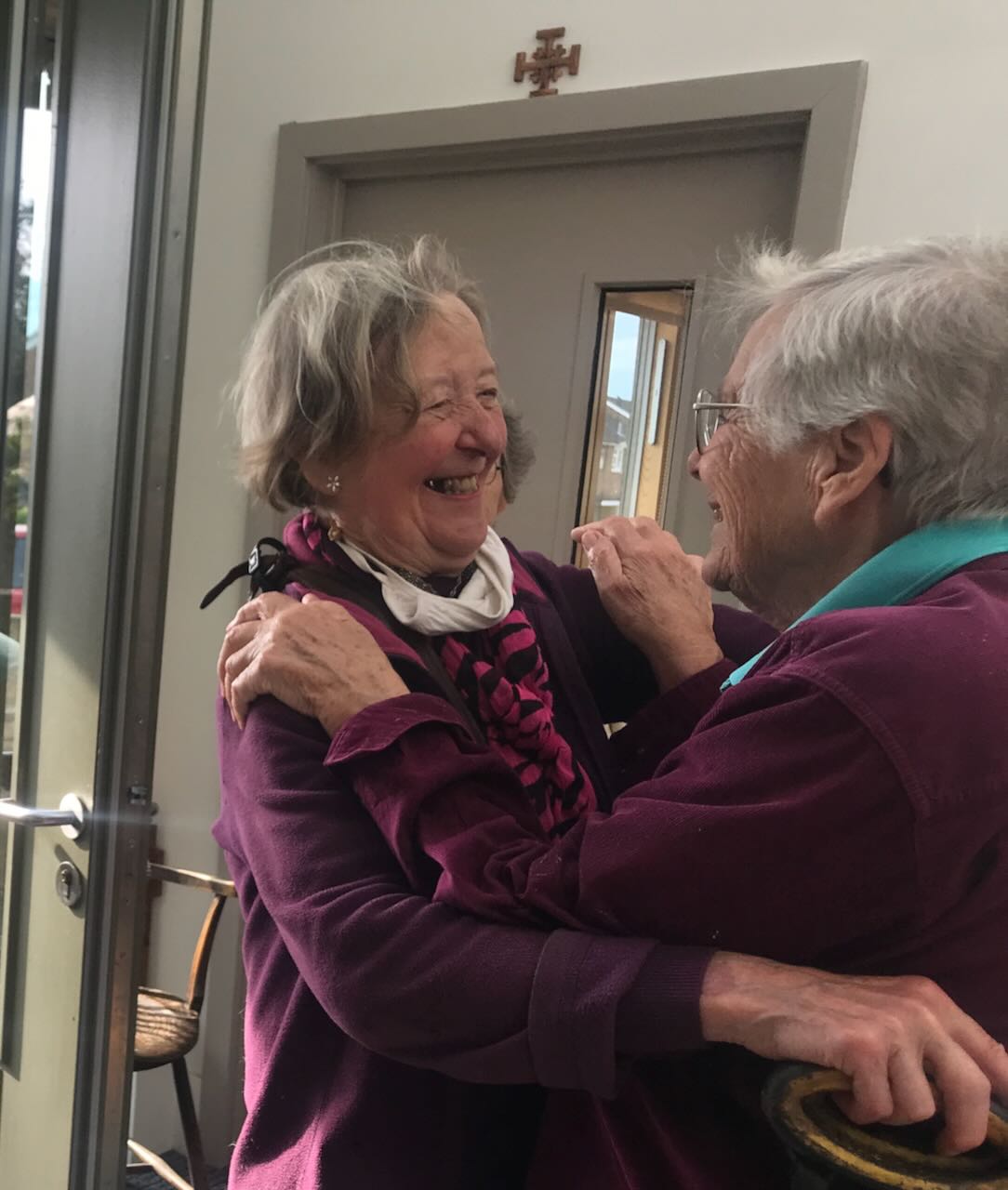
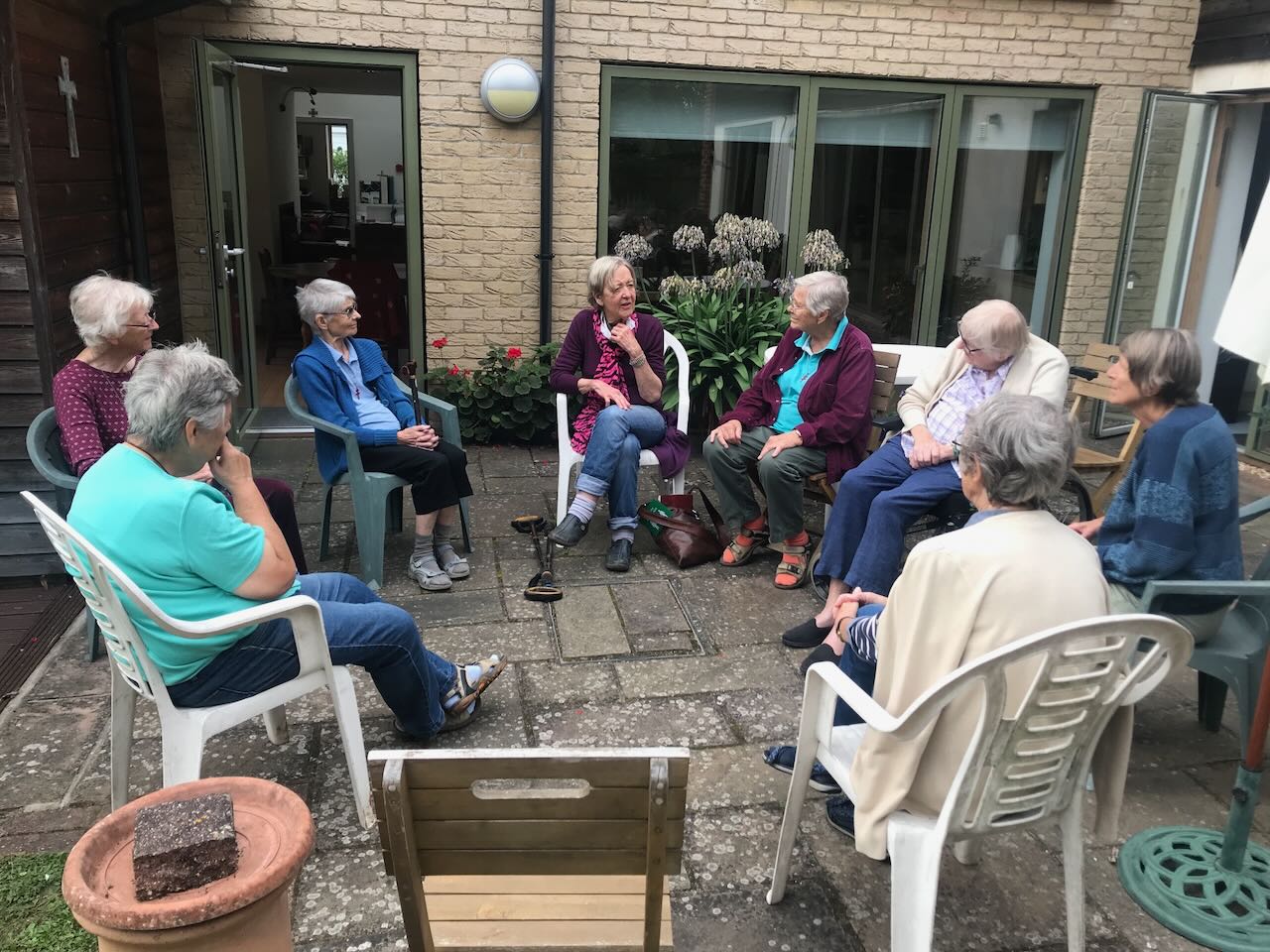
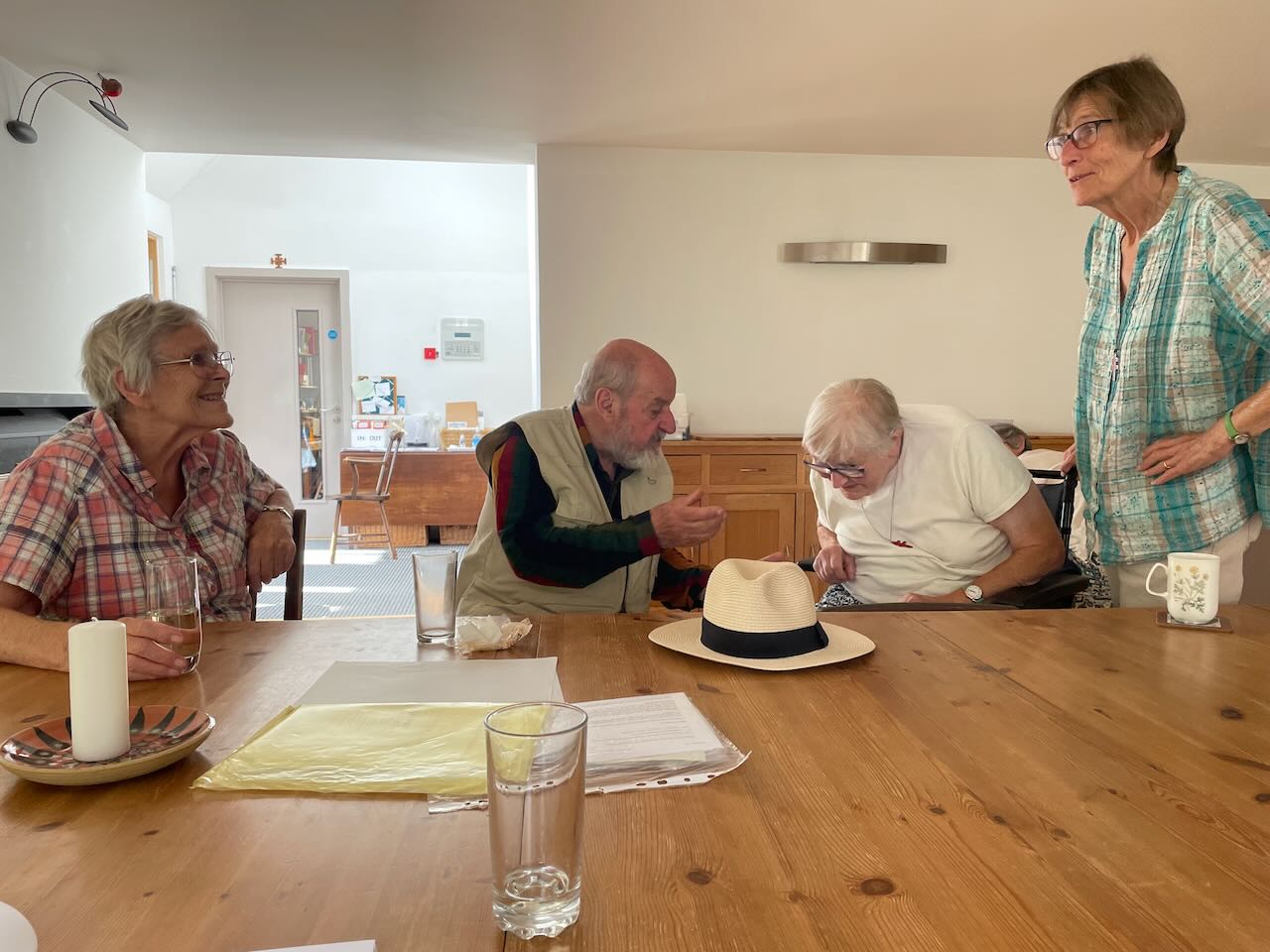

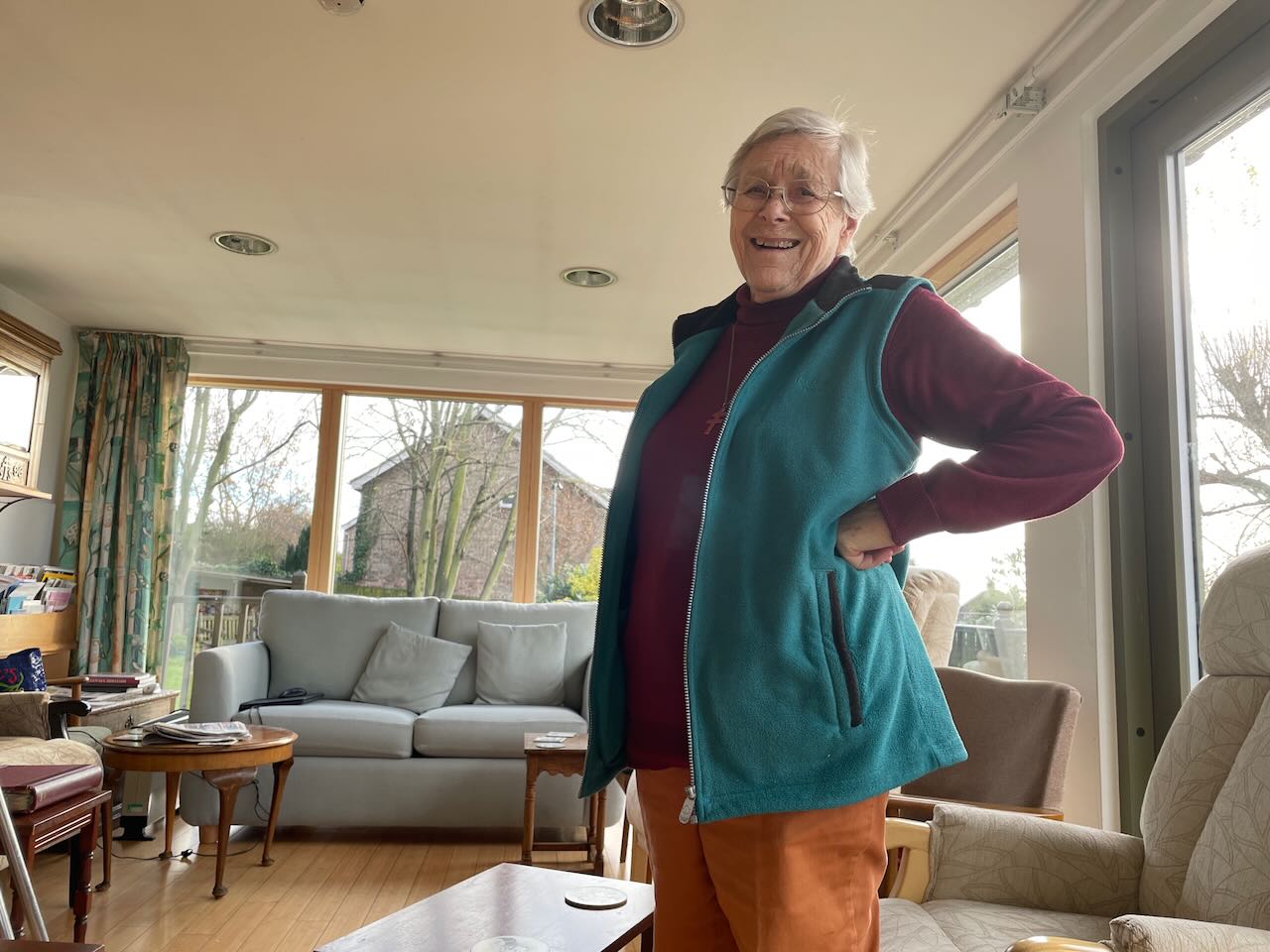
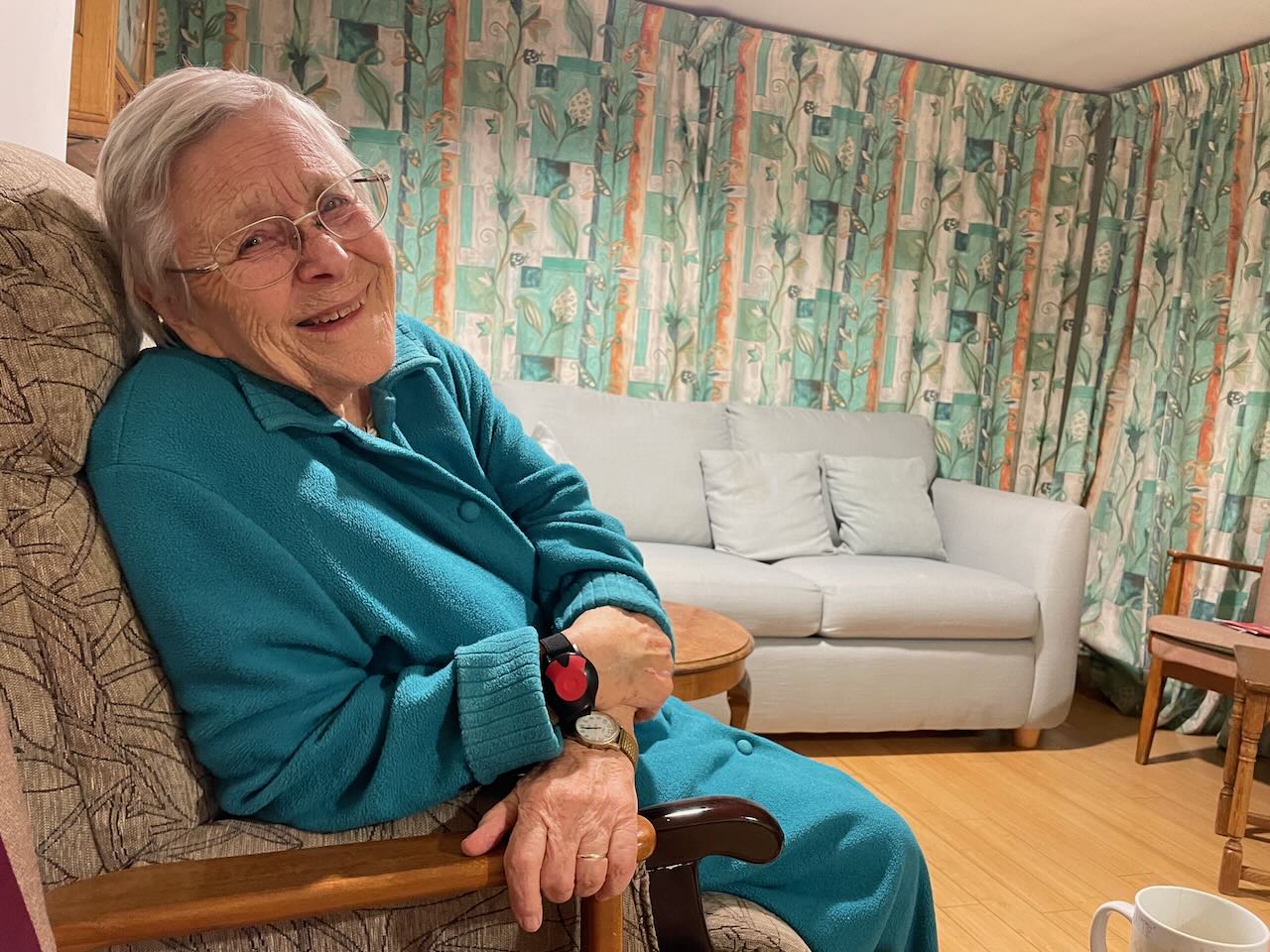
There was a bit of humorous competition between Stephen and Magdalene, Stephen boasting she was a few days older than Magdalene, and so the elder in the community.
The mass was unusual, with readings read by her family. The lark ascending. A choir with boys deep voices. Quote from writers Stephen read, like Daniel O’Leary. I recall quite clearly one day Stephen saying to me, she had doubts about God, but realised it was too late to leave the community because of this detail. That didn’t undermine her own spirituality, not the mystery in her art. I have one of her cosmos paintings in my office.
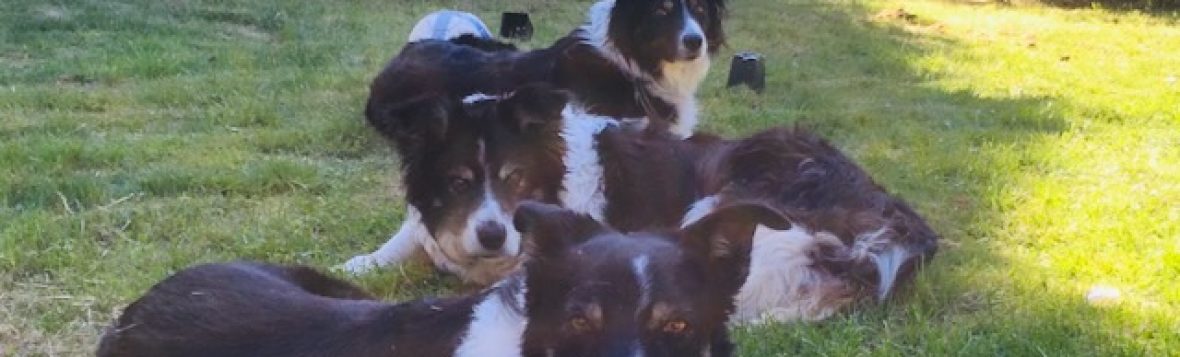
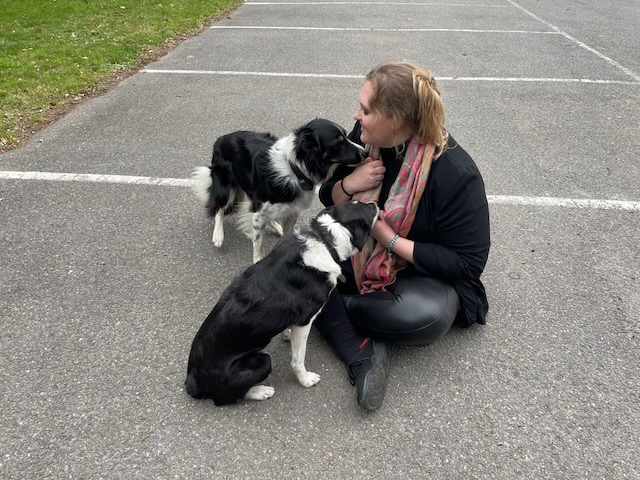
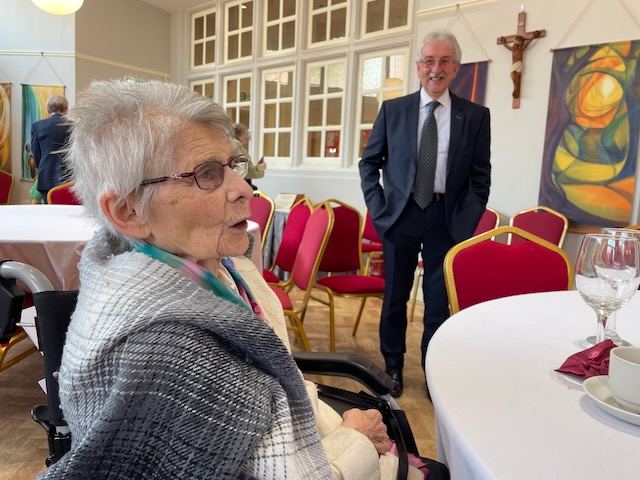
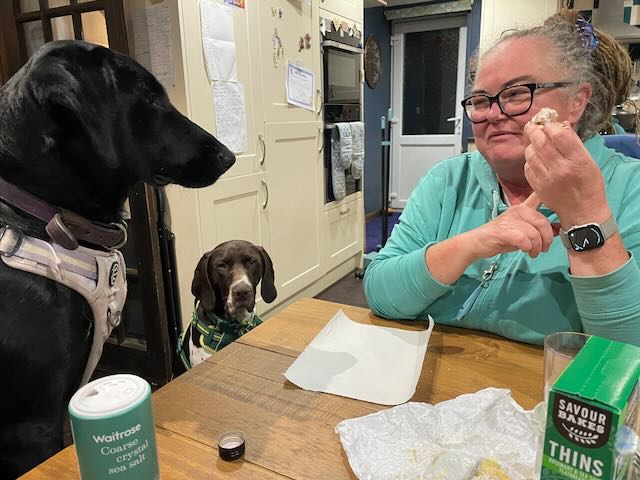
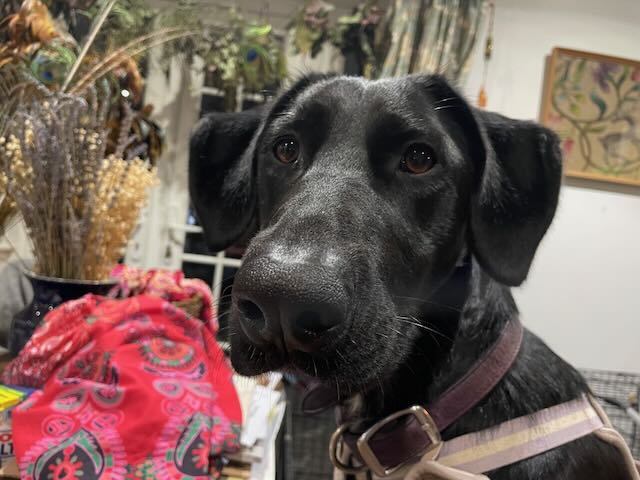
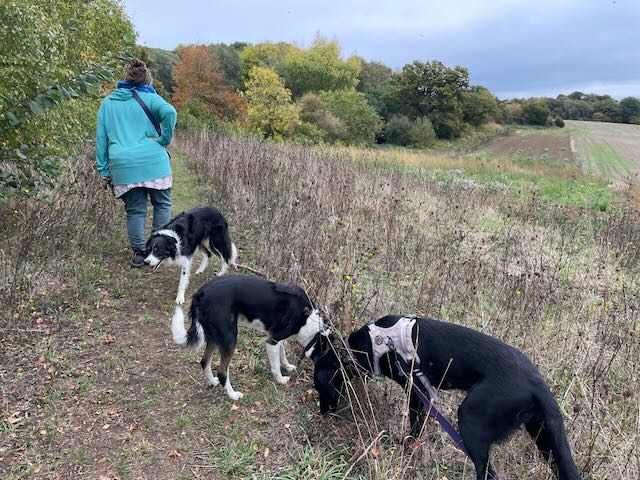
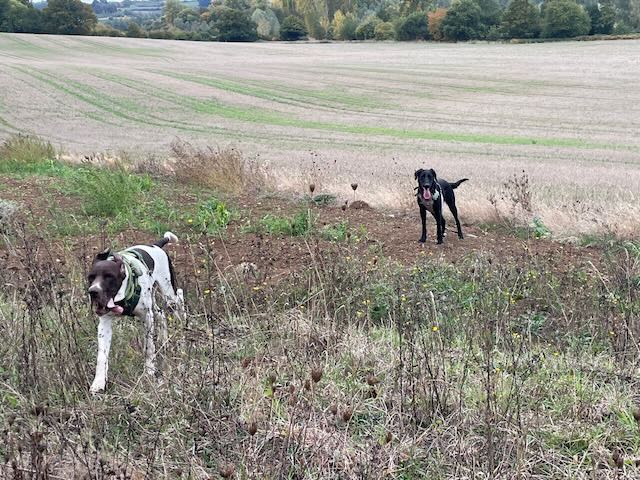
I drove up with Julia, met up with Anne and her daughter Rosie, who it turns out is a lover of dogs, and played happily with mine. It is emotional for you, ask Julia as we drove down the avenue of Limes. But I was on automatic practical pilot, we were almost late, but Mina had saved us a place. The remains of the community were mostly in wheel chairs now, even Angela with Parkinsons.
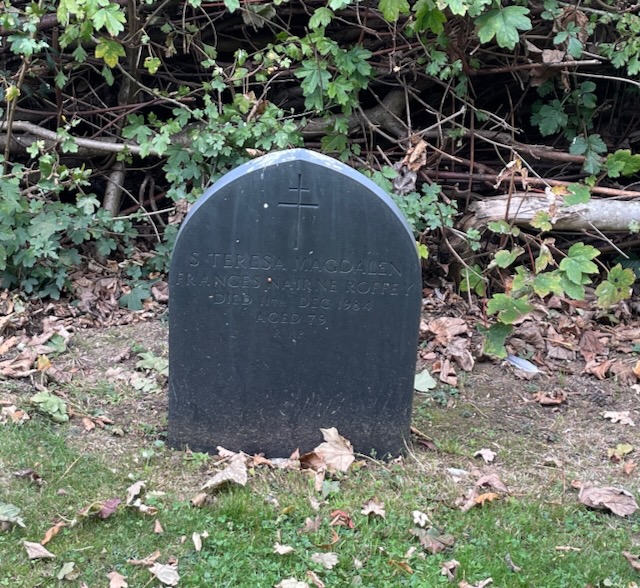
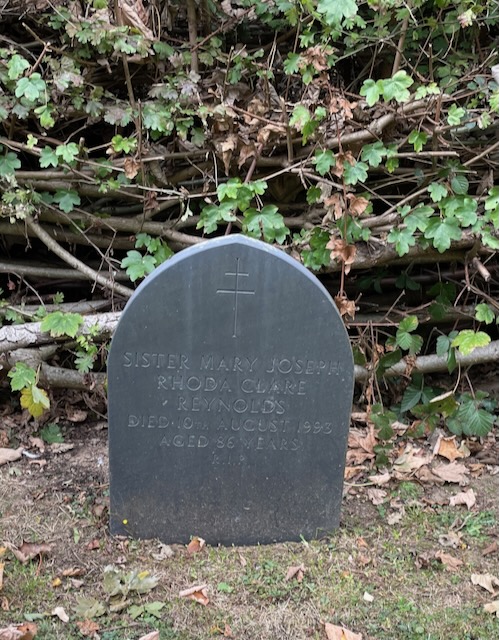
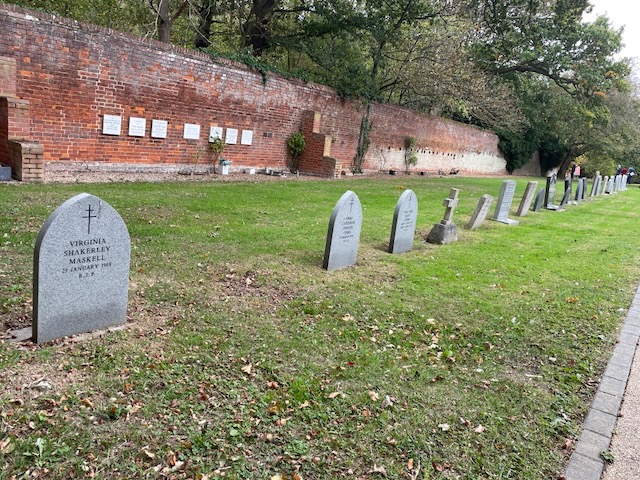

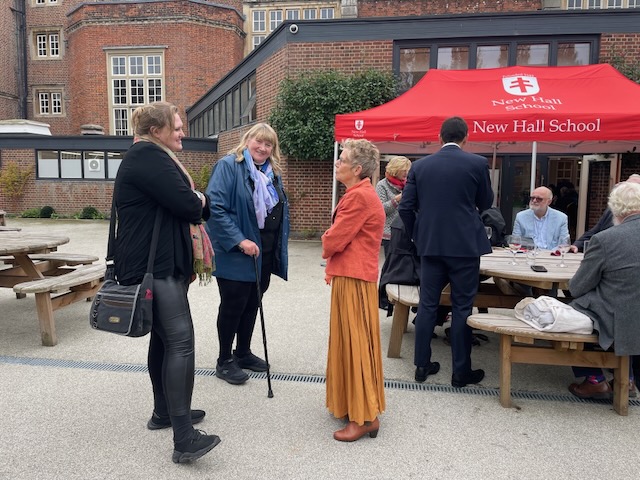
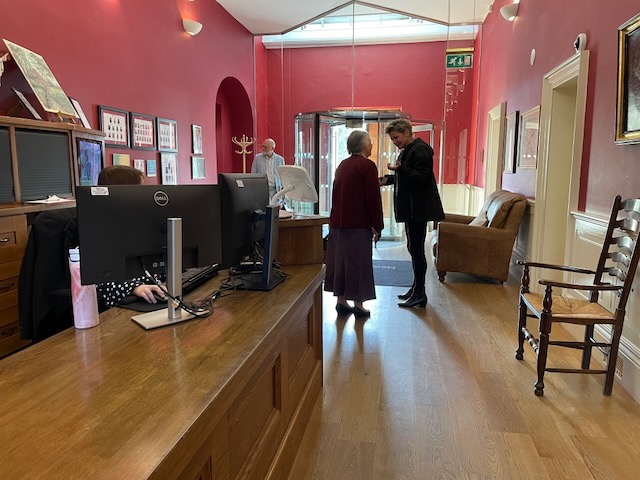
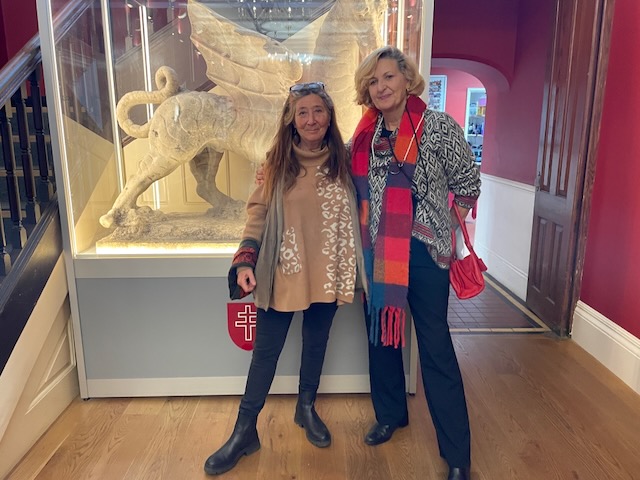
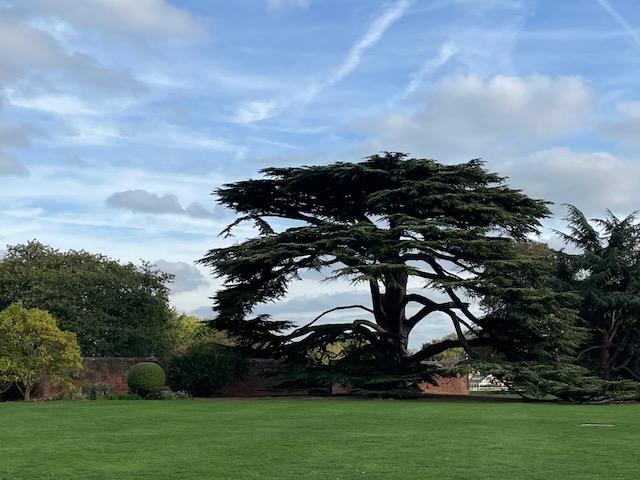
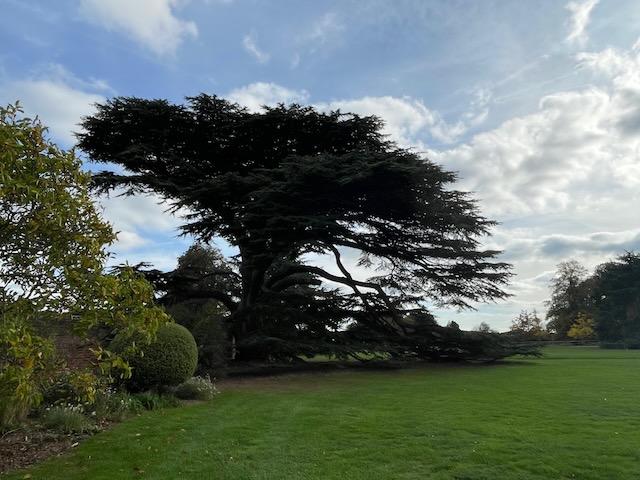
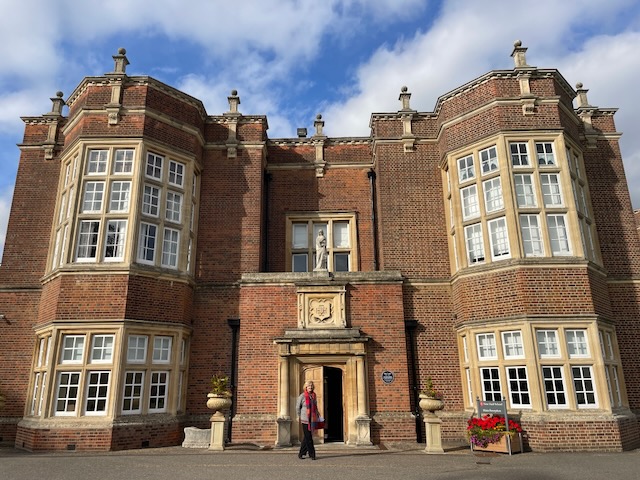
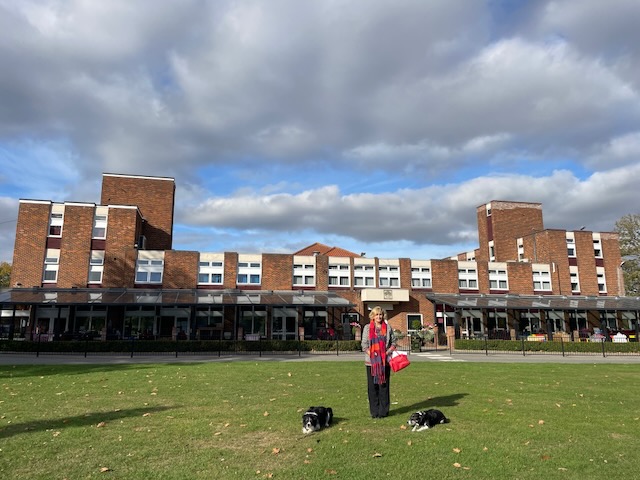
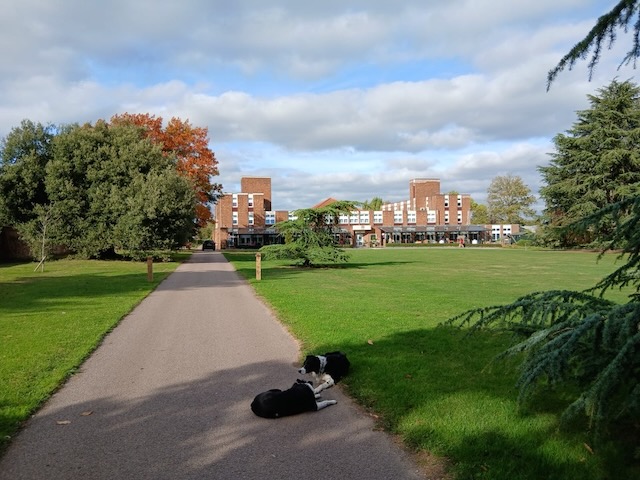
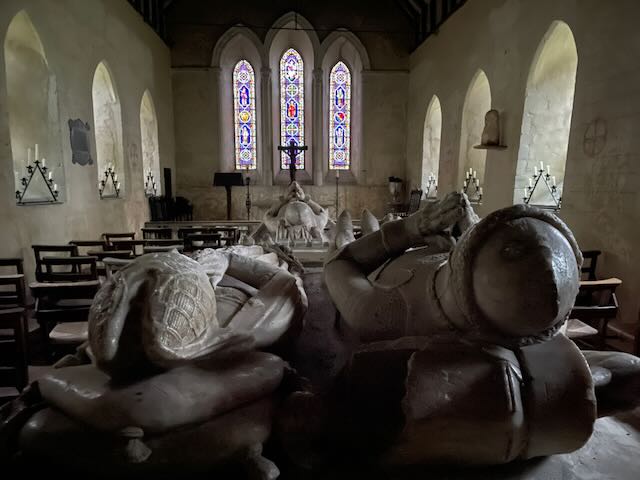
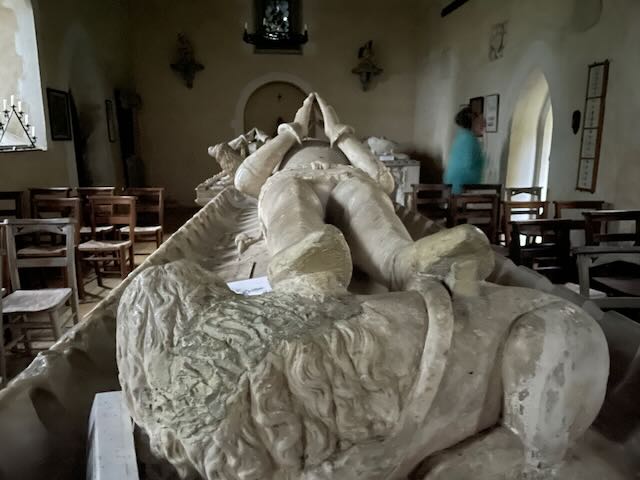
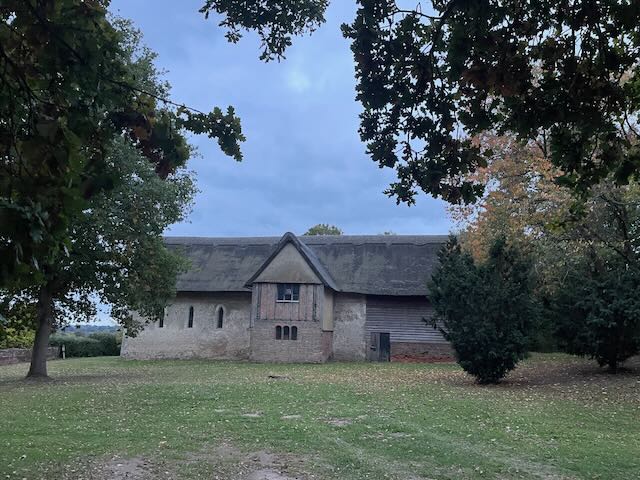
From New Hall, I made my way to Nicky’s, in Bures, on the boarder of Essex and Suffolk, a land Simon Knott describes as far more lovely than the more coveted Dedham vale. “The border area between Essex and Suffolk is one of England’s best-kept secrets. Away from touristy Dedham Vale, the gentle hills rise higher ever westward beyond the Stour. Here are East Anglia’s prettiest landscapes and prettiest villages, especially on the Essex side of the river. Bures has the best of both worlds, being partly in Suffolk and partly in Essex, that much-maligned, lovely county.” I looked up Simon Knott as the first place Nicky took me to was St Stephen, a church used as a barn then restored as a church. “The original chapel forms the easterly two thirds of the building. It was consecrated on the Feast of St Stephen, December 26th 1218. At the Reformation, the need to blow apart any devotion to the former King of East Anglia meant that sites associated with St Edmund had to be dealt with particularly rigorously. The chapel was sacked, and once derelict was converted for use as cottages, and then as a barn. For the next four hundred years it was used for agricultural storage.” It is surprising on many counts. First because it’s up an unassuming farm track, set in fields, and then as we entered, it is FULL of monumental effigies. It has a pacific and mysterious atmosphere, a fine surprise to greet me.
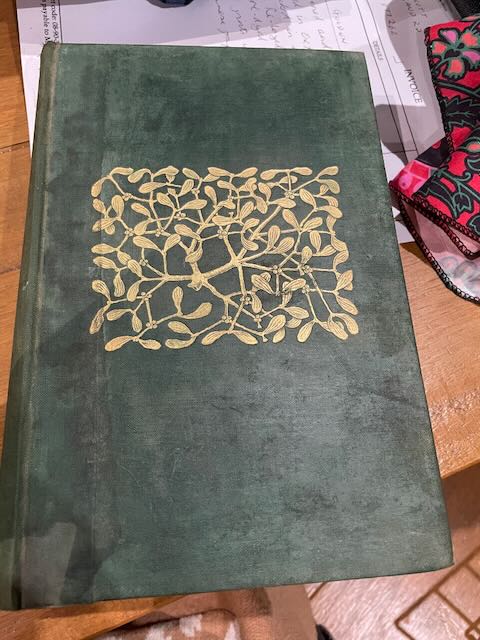
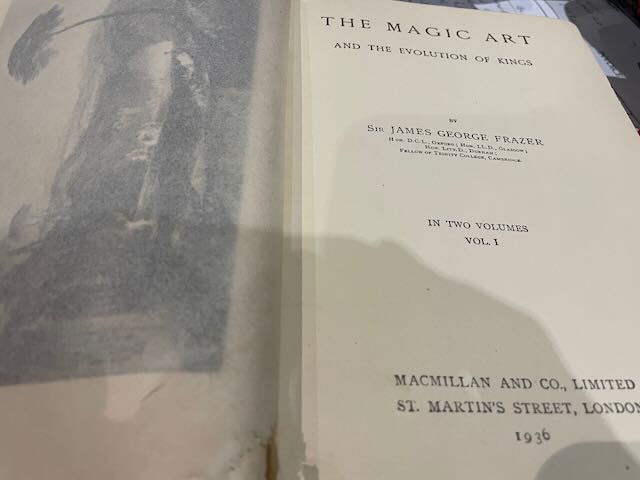
Adam, Nicky’s husband had died recently, and his shadow felt long over their home. She had just collected two books from a book binder that Adam must have commissioned towards the end of this life, and Nicky, unaware of it, has had to cover the bill which was £300. Are they valuable, she asked me? They turned out to be The Golden Bough by Frazer. 1936 edition. Adam speaking from the grave.

 Kalikellett