Walking the River Blyth last year, I did not do the last part, the walk from Ubbeston to the source of the Blyth, which I understood was somewhere near Laxfield. After some prep homework with maps the previous night, I drove the road way all along the Blyth, last years route, reaching Laxfield and Dennington Road. Not always easy to find a parking, I parked half way, half off the road, and walked up beside the stream the other side of a cut hedge. It was indeed a Quiet Road, nothing passed us, the peoples of this hamlet had parked up their Tesla’s, and were behind their windows, carving turkeys, pulling crackers, opening presents. I was glad to be out of it, looking in. Coming up to the triangle, where a nice plain plank of wood provided a practical seat, I saw around the corner, behind the hedge, a pond. Ah I thought, in here the Blyth must rise. Unfortunately the continuation of the Blyth on the other road side was PRIVATE, so I did not join up to Ubbeston.


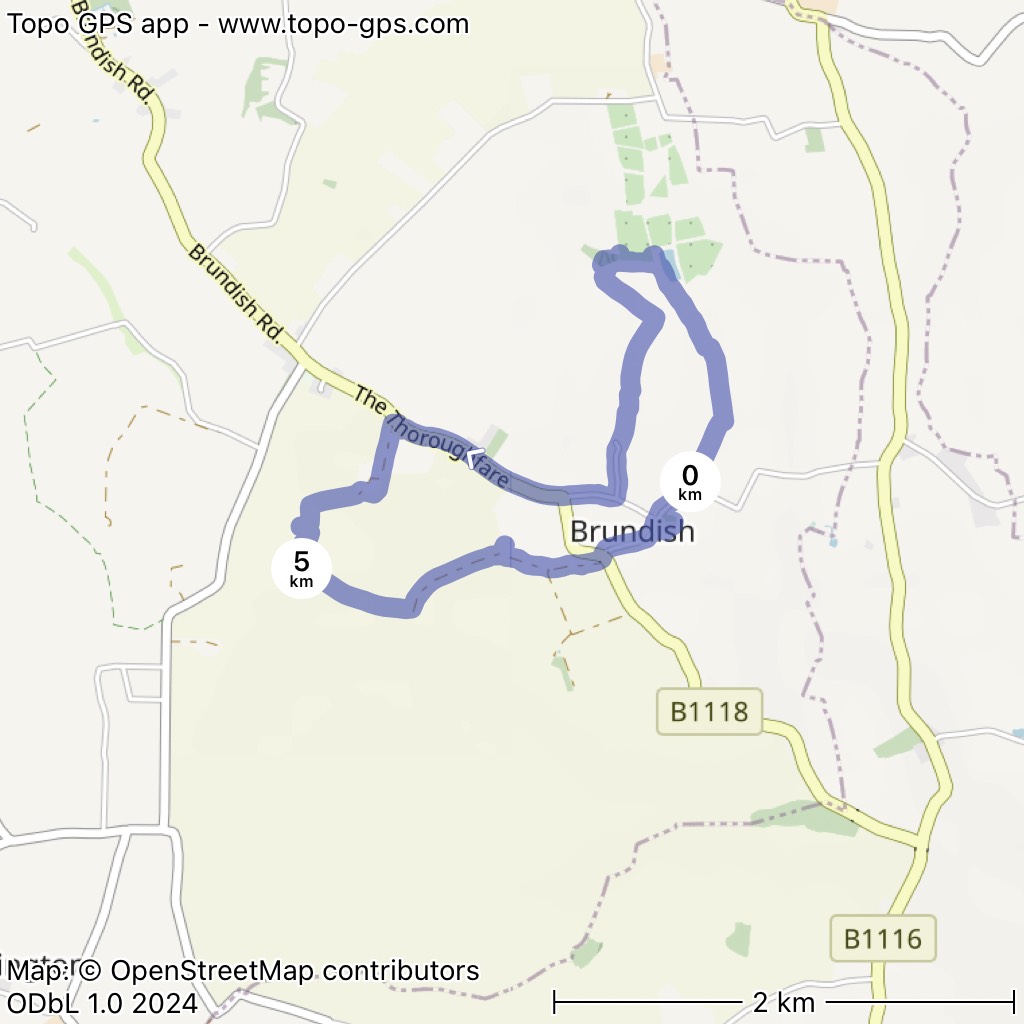
Frustrated with so swift a find and small a walk, we went in search of the Alde, a short 6 miles from here through Owls Green, in Brundish. As I drove, chuckling at this new objective, I was reminded of our search for the source of the Volga river, somewhere near Ostashkov, and Bob saying: sources of rivers are always disputed. Our Greenpeace mission was to sample the Volga . Our plan was to find the source, the purity of the water, before we hit Nizhny Novgorod and the big industry, as a contrast. As it happened, Gorbachov was in power, there was a strike, no industry was operating, the river was clean, and politically we had little argument – strategically we should have started at the most polluted end.
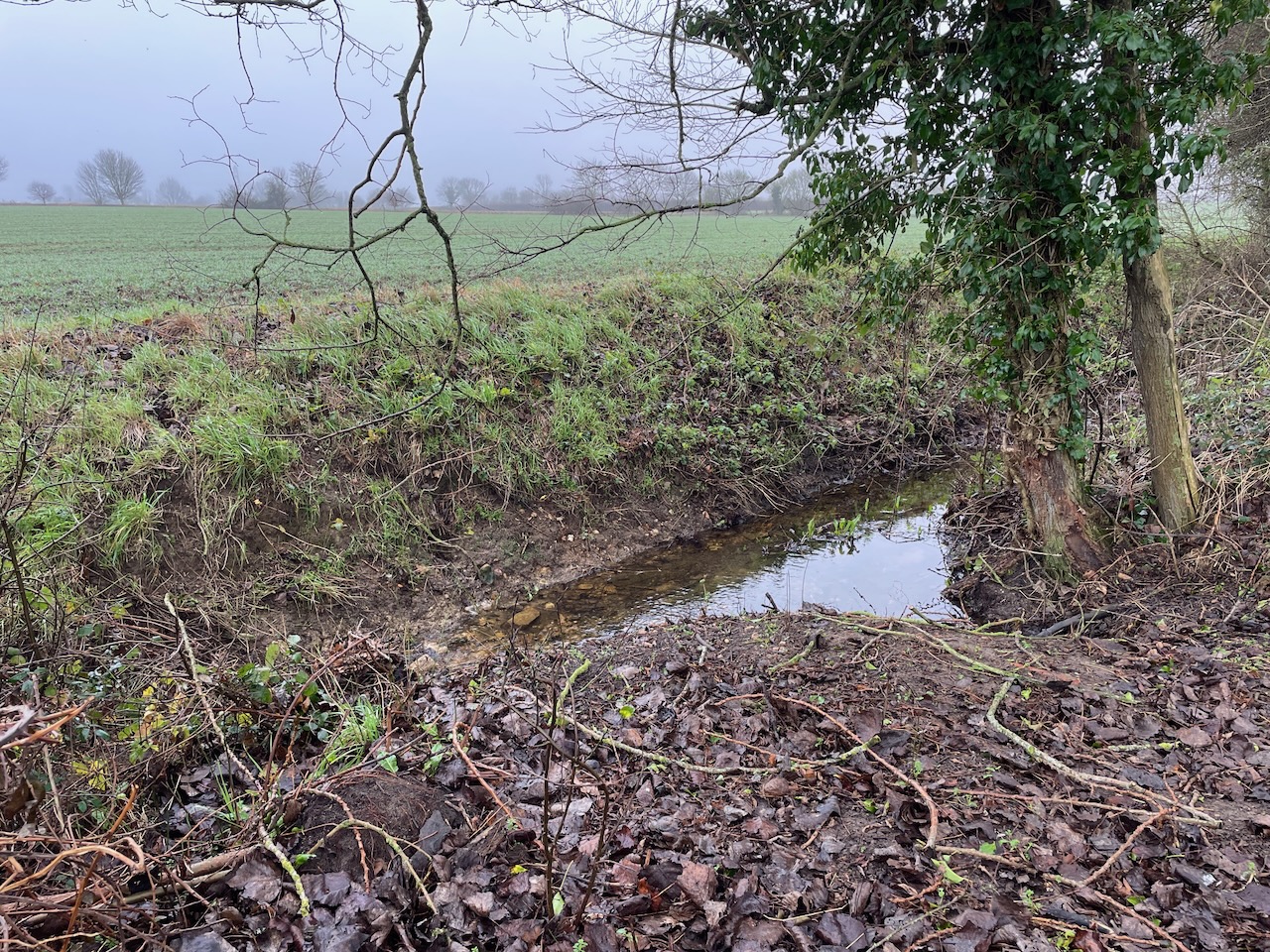
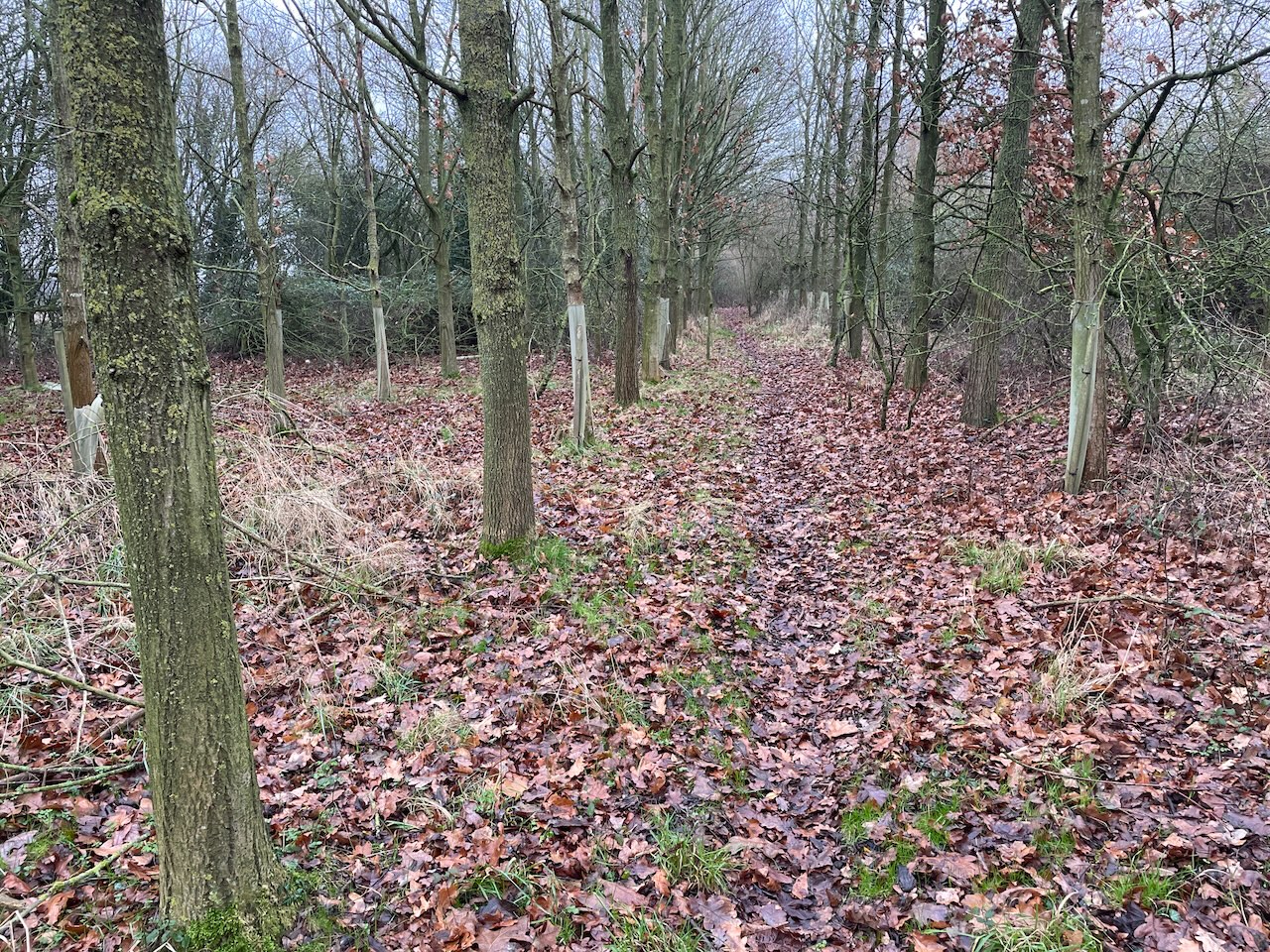
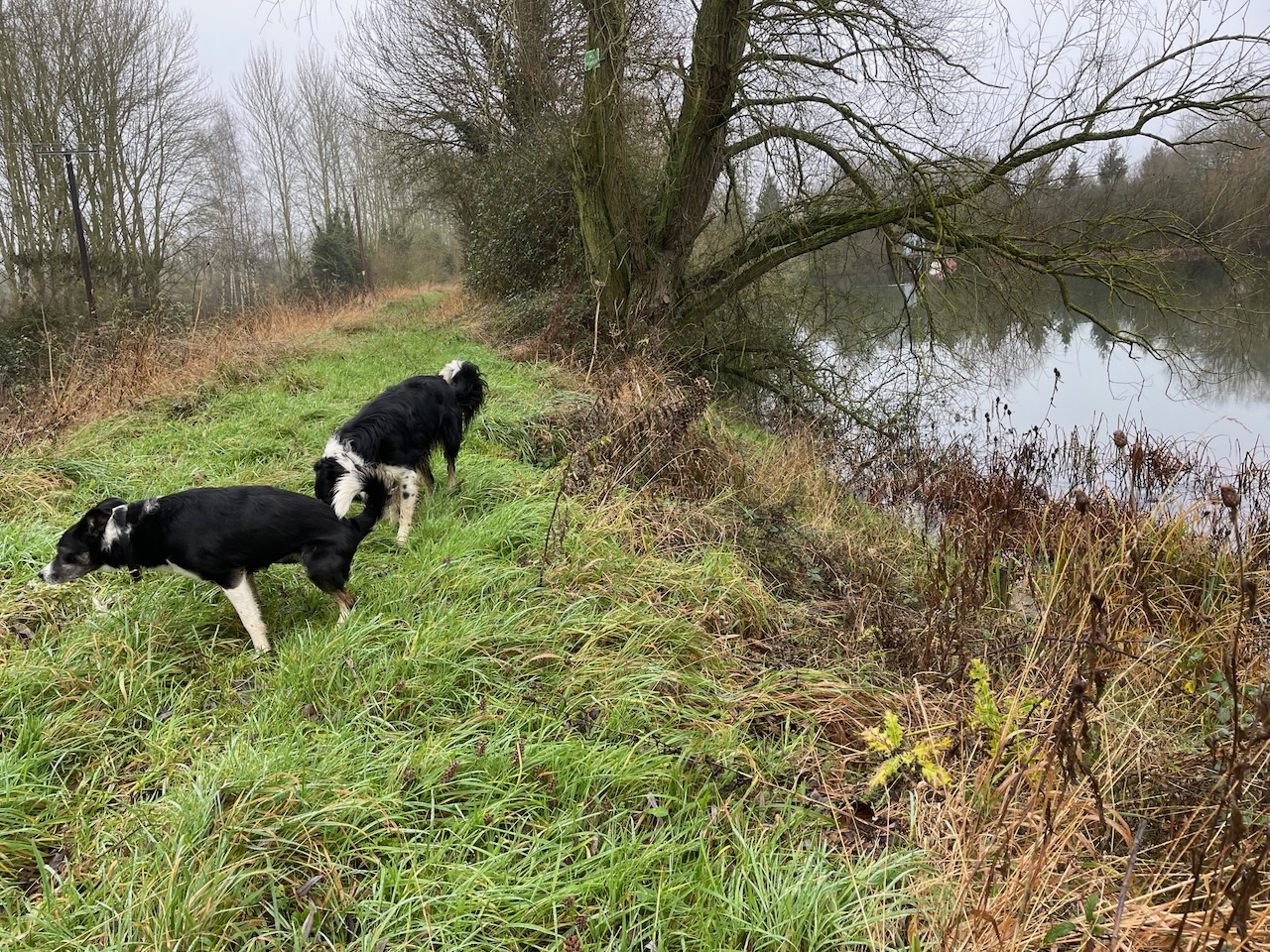
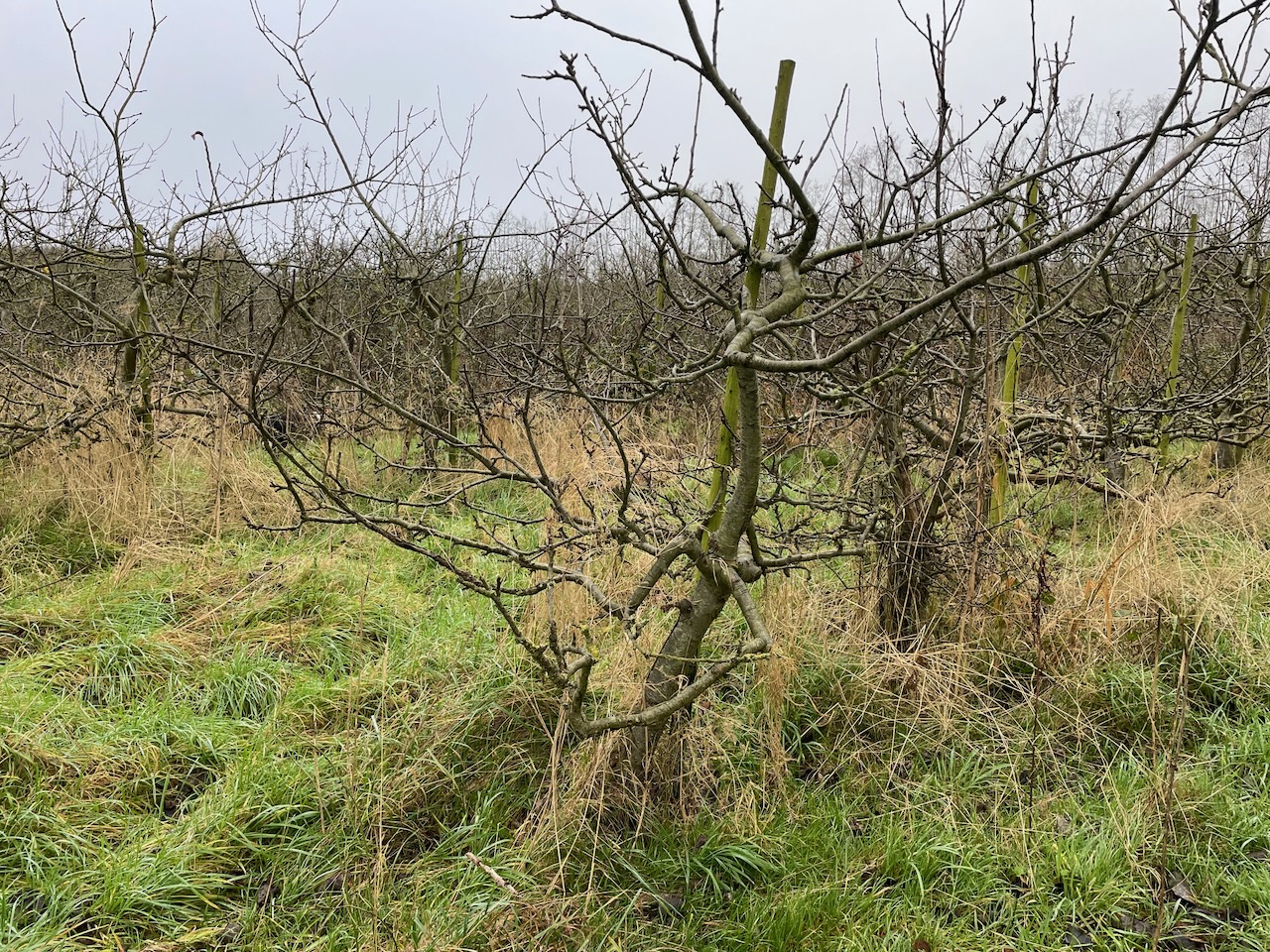
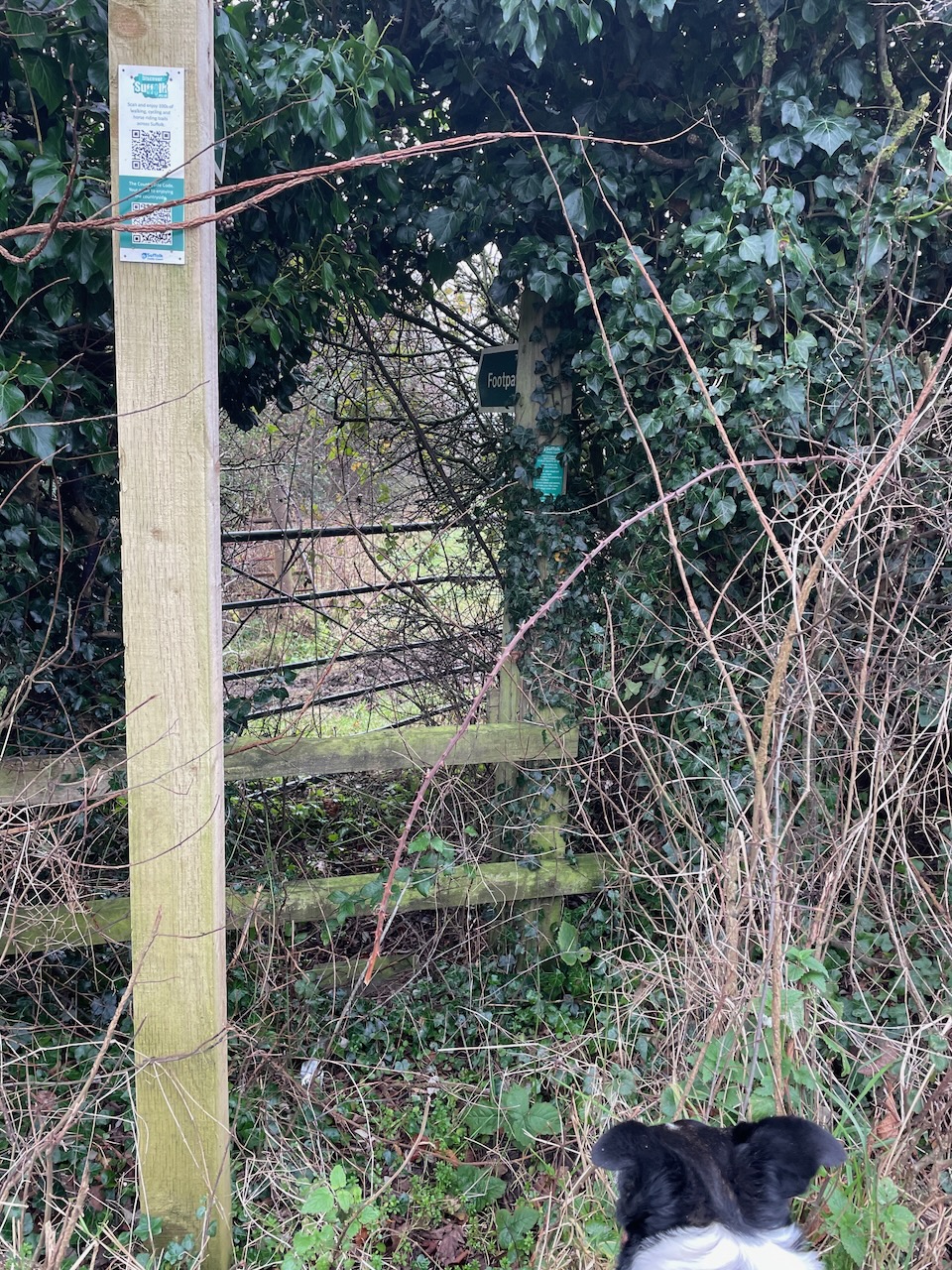
Parked easily on another quiet road. Over a field well ploughed (no footpath), the on our right the Auld stream clear and clean. Through a tree plantation of mainly ash, also hornbeam, their plastic cases bursting out – perhaps 20 years old I guess. Along a resevoir, and into an old apple orchard, their naked branches reminding me of Mondrians abstraction of an apple tree, and to get on and start drawing again, and not take another photograph. Perhaps I will start carrying a sketch book and ban the camera, but the camera is the phone, which has the route which got me here. The way ahead, the source of the Auld, is blocked deliberately with briar and sticks. I think about trespass, but turn obediently, as I knew there was a second source, not so far away.
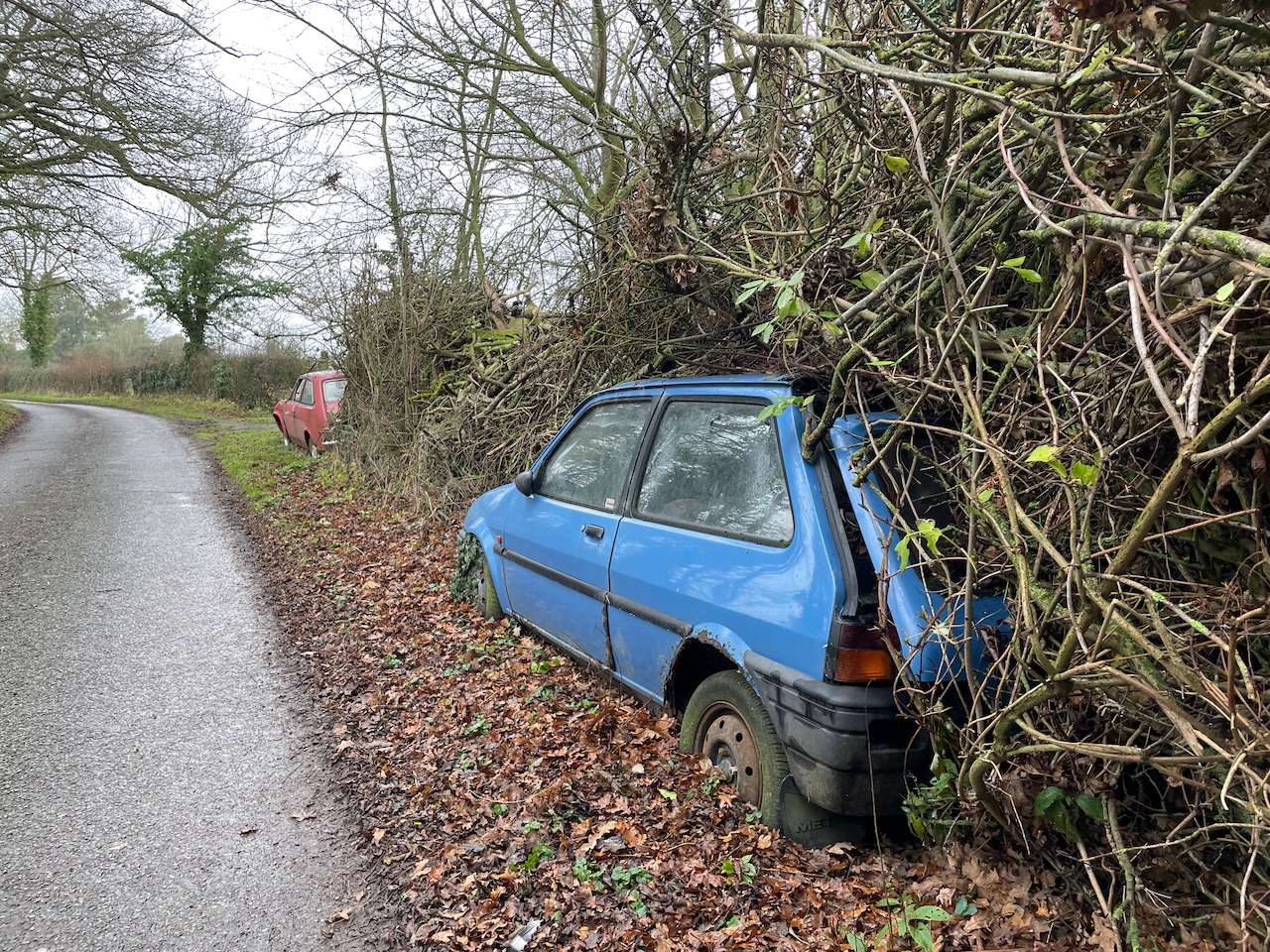
Over a field, beside a dark conifer woodland, another well ploughed field, right to the edge, ditches recently ‘cleaned’ – these farms are old fashioned, clean, clear – along the Thoroughfare, where we come upon two motor cars embedded in the hedge. Fascinating naturally. Turned down a farm yard track, a bit nervous, but got to the source: two handsome ponds.
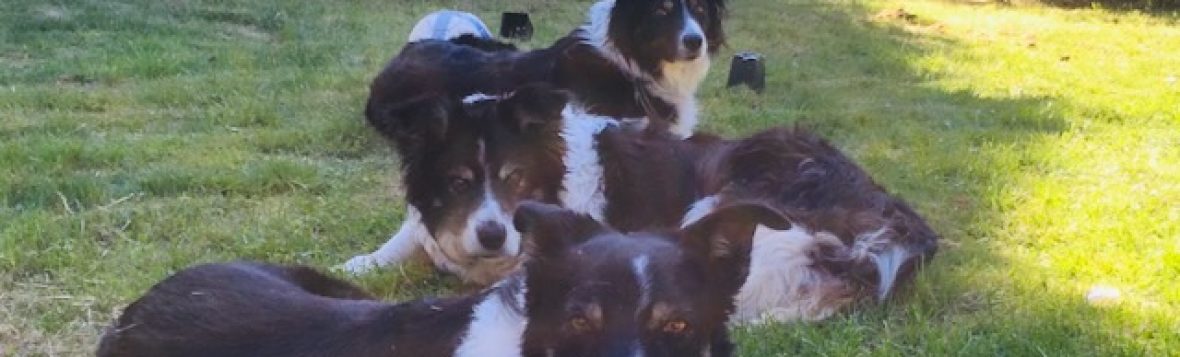
The dogs and I found a good way back joining what is called the Dark Lane, a natural wide old highway, old coppice beside ditches either side. Much evidence of some very recent woodland and ditch working. Following rivers gives simple pleasures, like seeing where one stream comes into another.
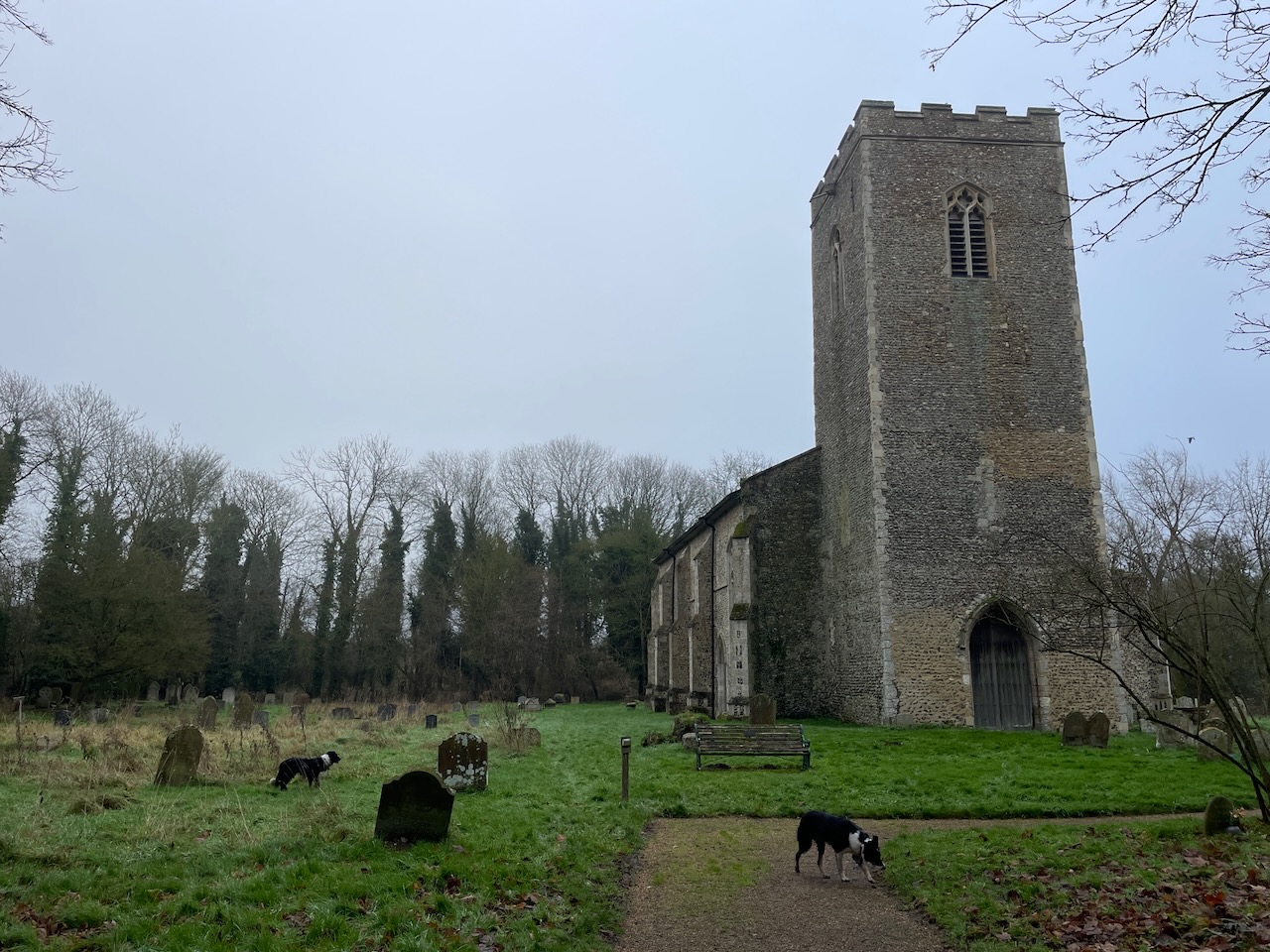
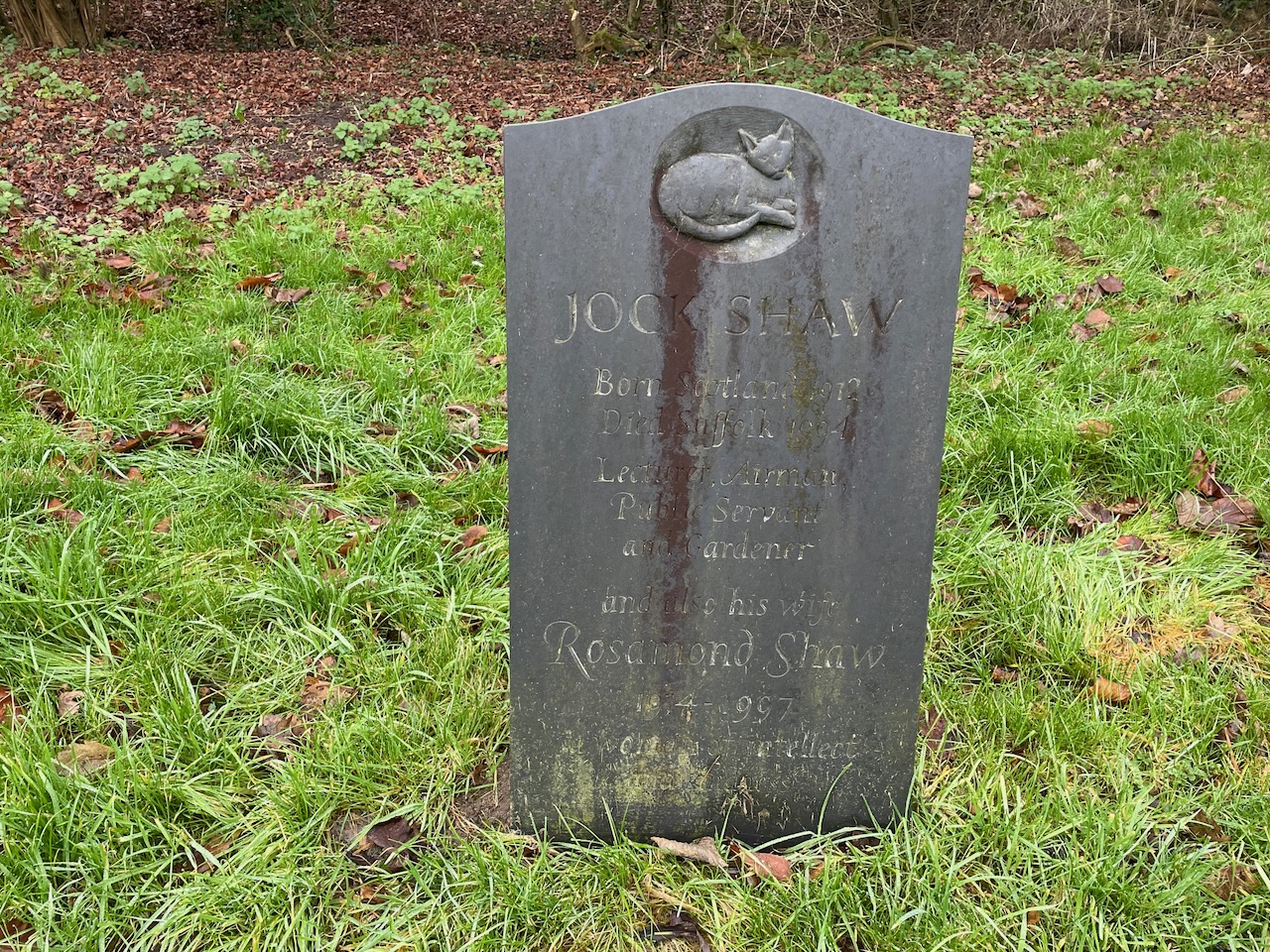
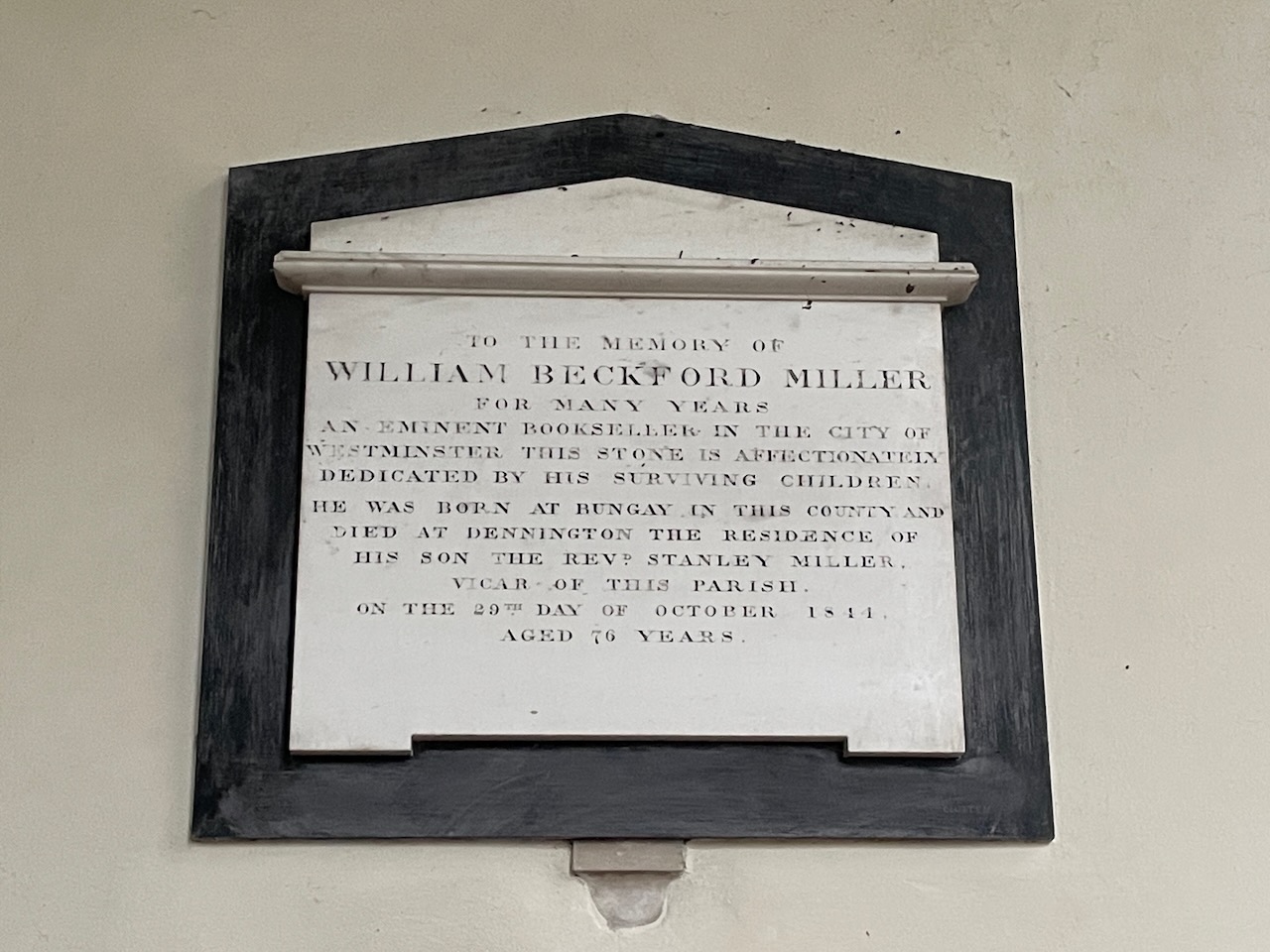
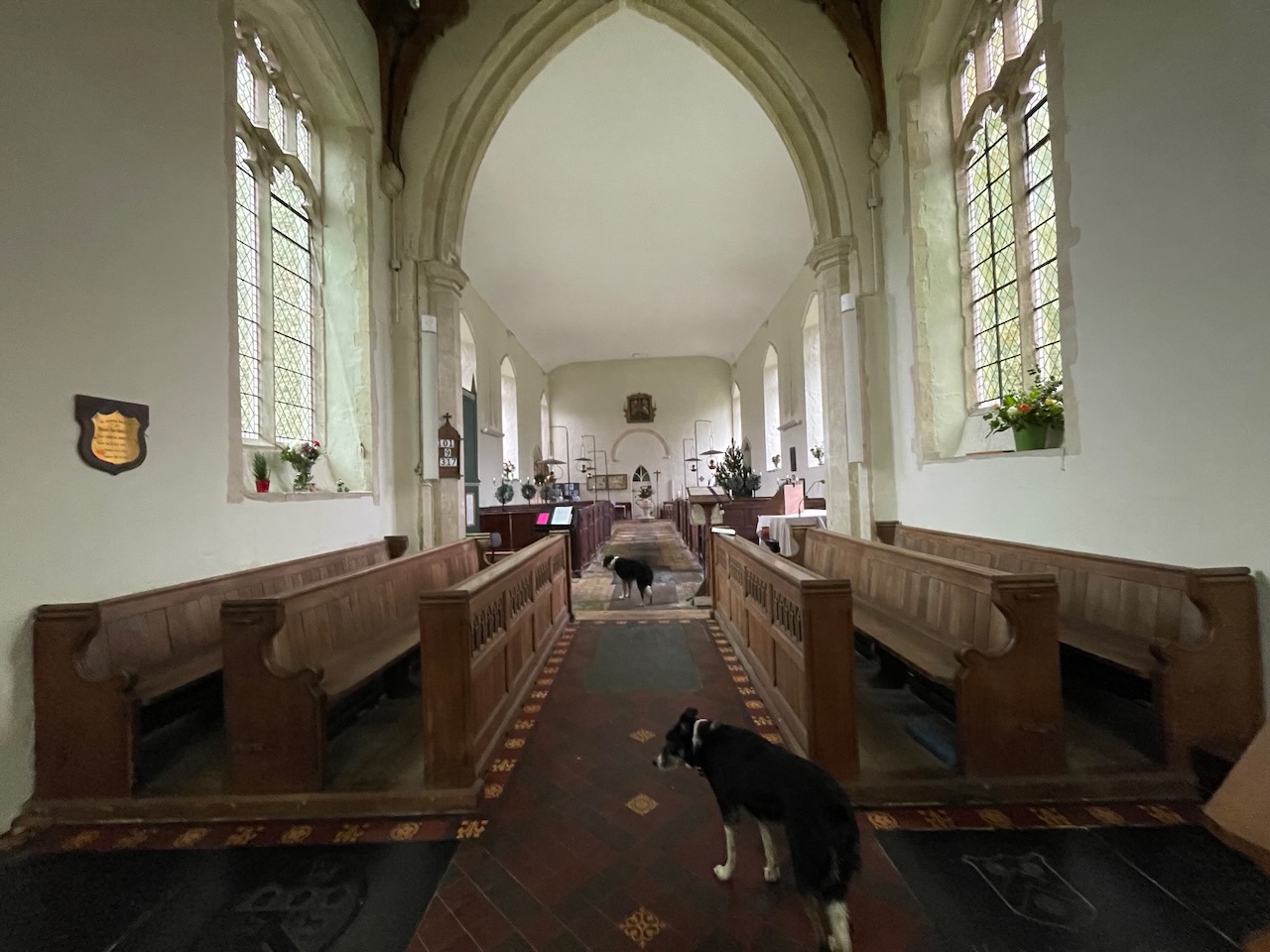
A fabulous green lane, moss growing in the centre, came out to Brundish Church, a natural thought to Rupert. Simon Knott says: You step through into an enchanting interior, at once simple and dignified and full of light. The open, even cavernous, space of the nave segues into a chancel big enough to shrug off its 19th Century restoration.” Two nice, simple gravestones: Jock Shaw: Lecturer, Public Servant, Gardener. Inside William Beckford Miller, Bookseller, born Bungay, died Dennington.








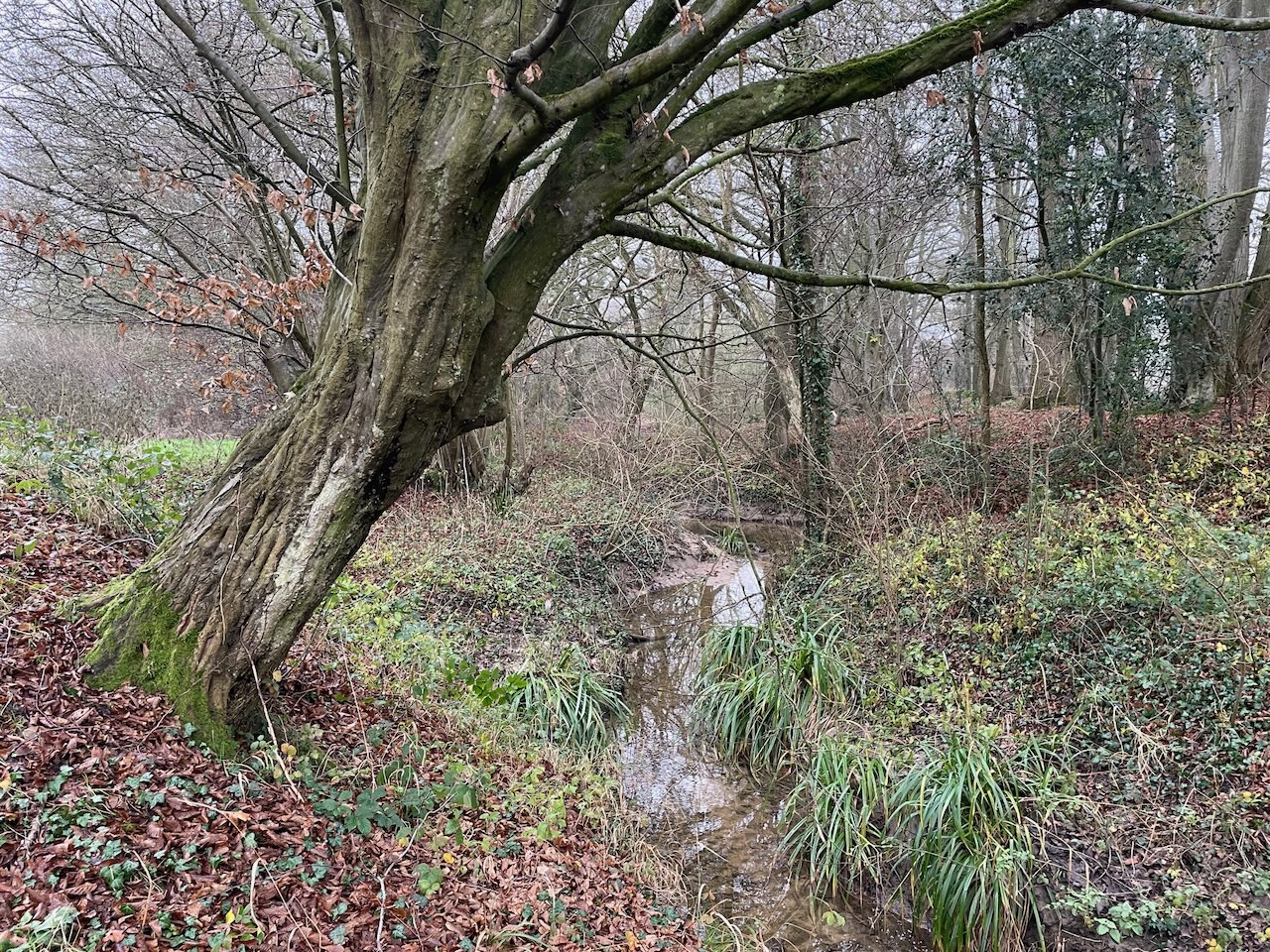
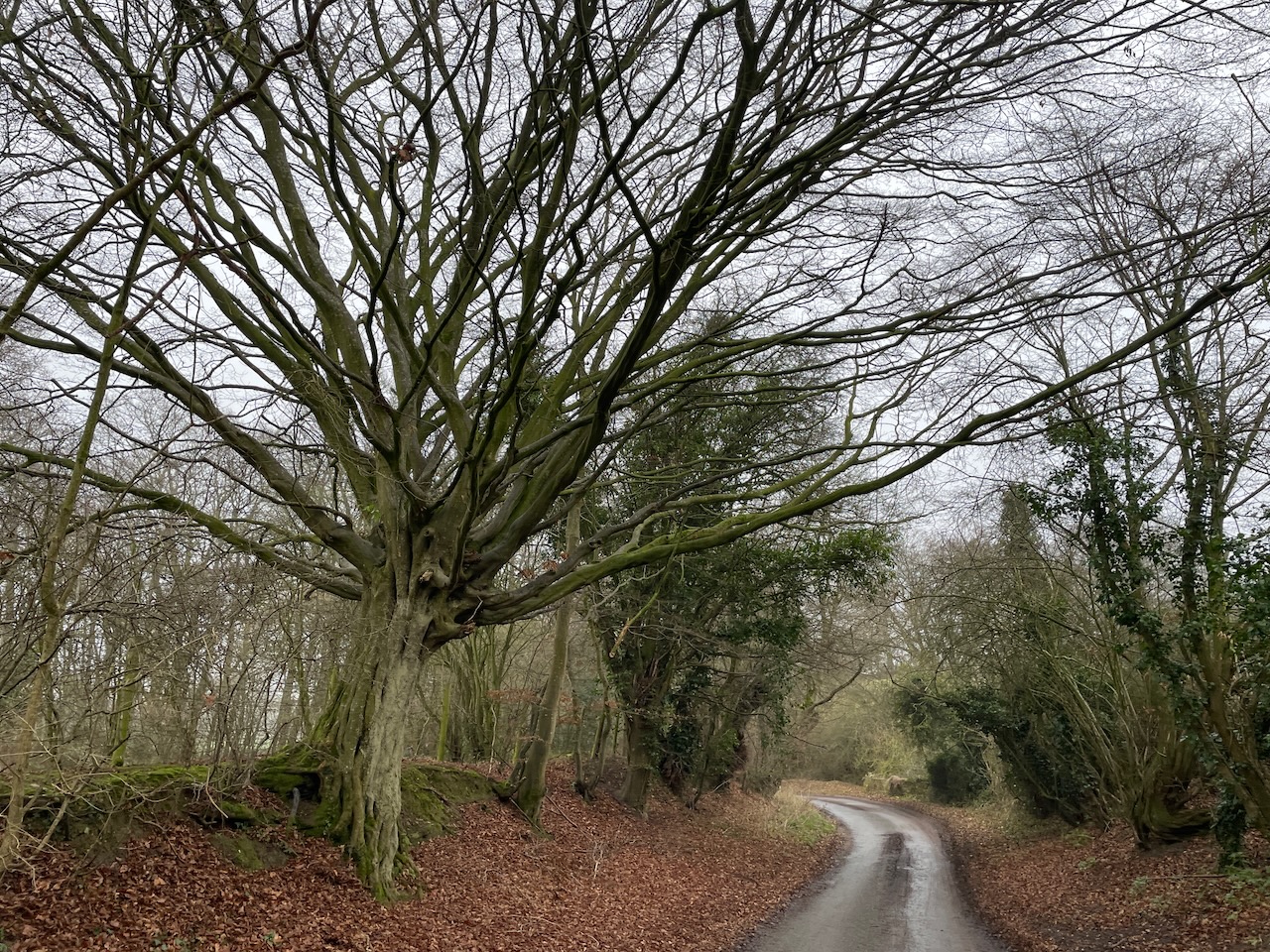
On the way back, could not resist a photograph of a hornbeam friend, near Heveningham.

 Kalikellett